
Gia Russa
Gia Russa Olive Oil
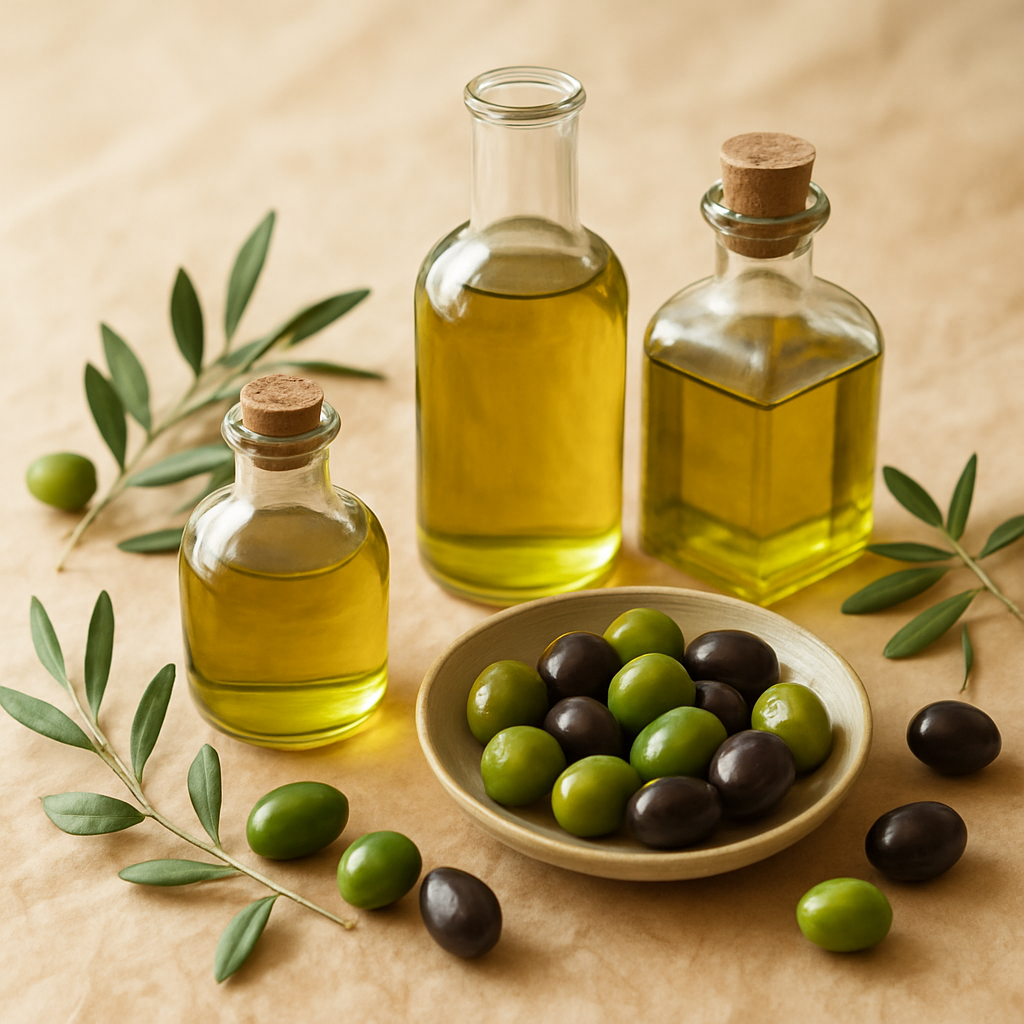
What it is
This is a bottle of olive oil, a liquid fat extracted from olives. It is a staple in many kitchens, known for its distinct flavor and versatility. Olive oil is produced by pressing whole olives to release their oil. The quality and flavor can vary depending on the type of olives used and the extraction process. This particular olive oil is suitable for a wide range of culinary applications.
How people cook with it
Olive oil is a fundamental ingredient for cooking and finishing dishes. Its flavor can enhance both simple and complex meals.
- Drizzling over salads
- Sautéing vegetables
- Baking breads
- Marinades
Olive oil can be used in numerous ways in the kitchen. It is excellent for sautéing vegetables and meats over medium heat, providing a pleasant flavor base. For dressings and marinades, its fruity notes add depth. It can also be used in baking, particularly in recipes where a moist crumb is desired, such as cakes or muffins. When used as a finishing oil, a light drizzle over grilled fish, roasted vegetables, or pasta can elevate the dish with its aroma and taste. It is also a key component in making homemade mayonnaise or aioli.
How it differs from similar foods
Different types of olive oil have varying flavor profiles and smoke points. This olive oil offers a balanced taste that is not overpowering, making it suitable for everyday cooking. Its characteristics make it a good choice for general use compared to more intensely flavored or delicate oils.
Who it is for
Home cooks and professional chefs rely on olive oil for its culinary properties.
How to keep the rest
To maintain its freshness, store the olive oil in a cool, dark place, away from direct sunlight and heat. Ensure the cap is tightly sealed after each use to prevent oxidation. Properly stored, it will retain its quality for an extended period.