
Grocery
Olive Oil
What it is
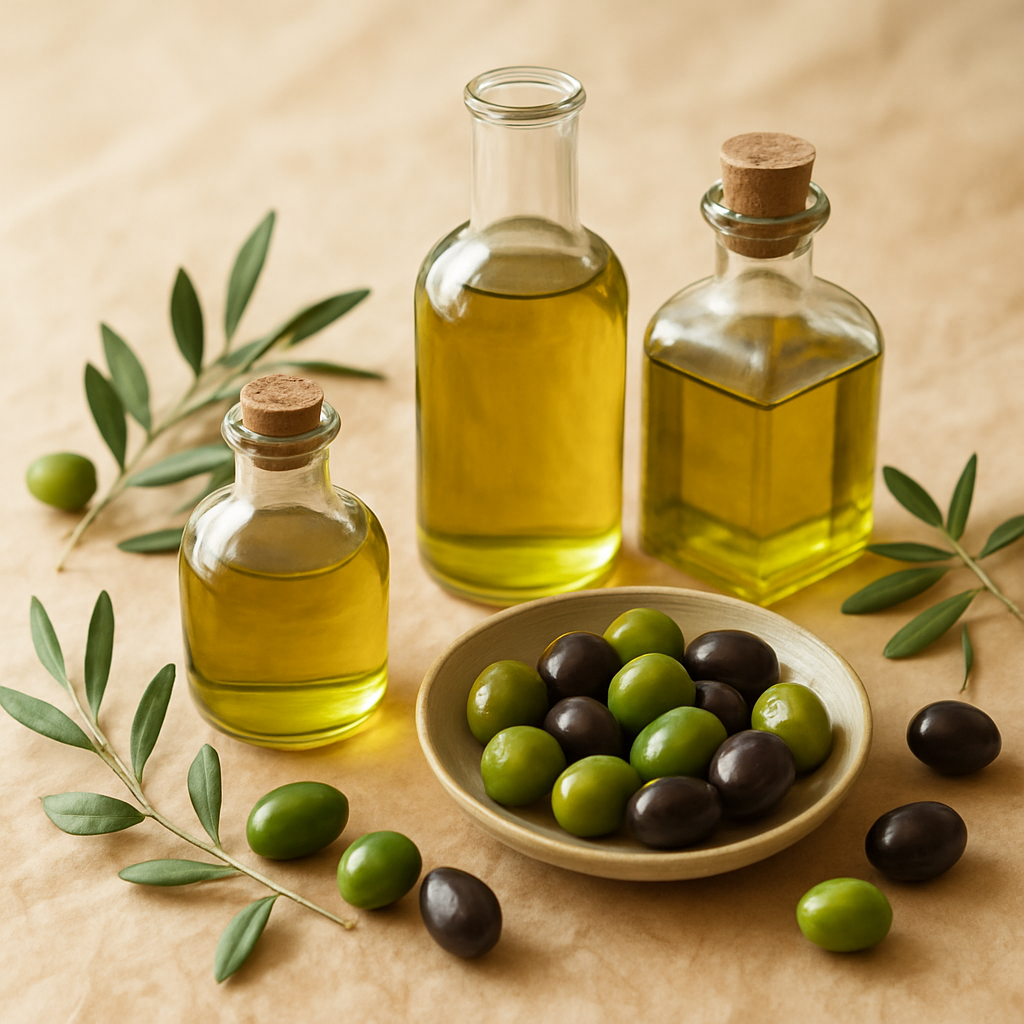
This is a liquid fat obtained from olives, the fruit of the olive tree. It is a staple in Mediterranean cuisine and is known for its distinct flavor and aroma. The color can range from green to golden yellow, depending on the olives and processing methods. It is typically used for cooking, dressing, and finishing dishes. The quality of olive oil can vary significantly based on its production and how it is handled.
How people cook with it
Olive oil is incredibly versatile in the kitchen. It can be used in a wide range of culinary applications, from simple everyday cooking to more refined preparations.
- For sautéing vegetables
- As a base for salad dressings
- Drizzled over grilled meats
- In marinades for chicken
When cooking, olive oil can be heated to moderate temperatures for sautéing and pan-frying. For dressings and marinades, it is often combined with acidic ingredients like vinegar or lemon juice, along with herbs and spices. It can also be used to coat baking sheets or roasting pans to prevent sticking. For finishing dishes, a drizzle of high-quality olive oil just before serving can enhance both flavor and aroma. It is also a key component in many sauces and dips.
How it differs from similar foods
Different types of olive oil have distinct flavor profiles and smoke points. Extra virgin olive oil is the least processed and retains the most flavor, making it ideal for finishing and dressings. Regular or pure olive oil has a milder flavor and a higher smoke point, making it suitable for general cooking. Light olive oil has an even more neutral taste.
Who it is for
Home cooks and professional chefs alike utilize olive oil for its flavor and cooking properties.
How to keep the rest
Store olive oil in a cool, dark place away from direct sunlight and heat. Keeping it in its original dark glass bottle helps protect it from light. Ensure the cap is tightly sealed to prevent oxidation and preserve its freshness. Proper storage will maintain its quality for an extended period.