
Grocery
Okinawa Soba Noodles
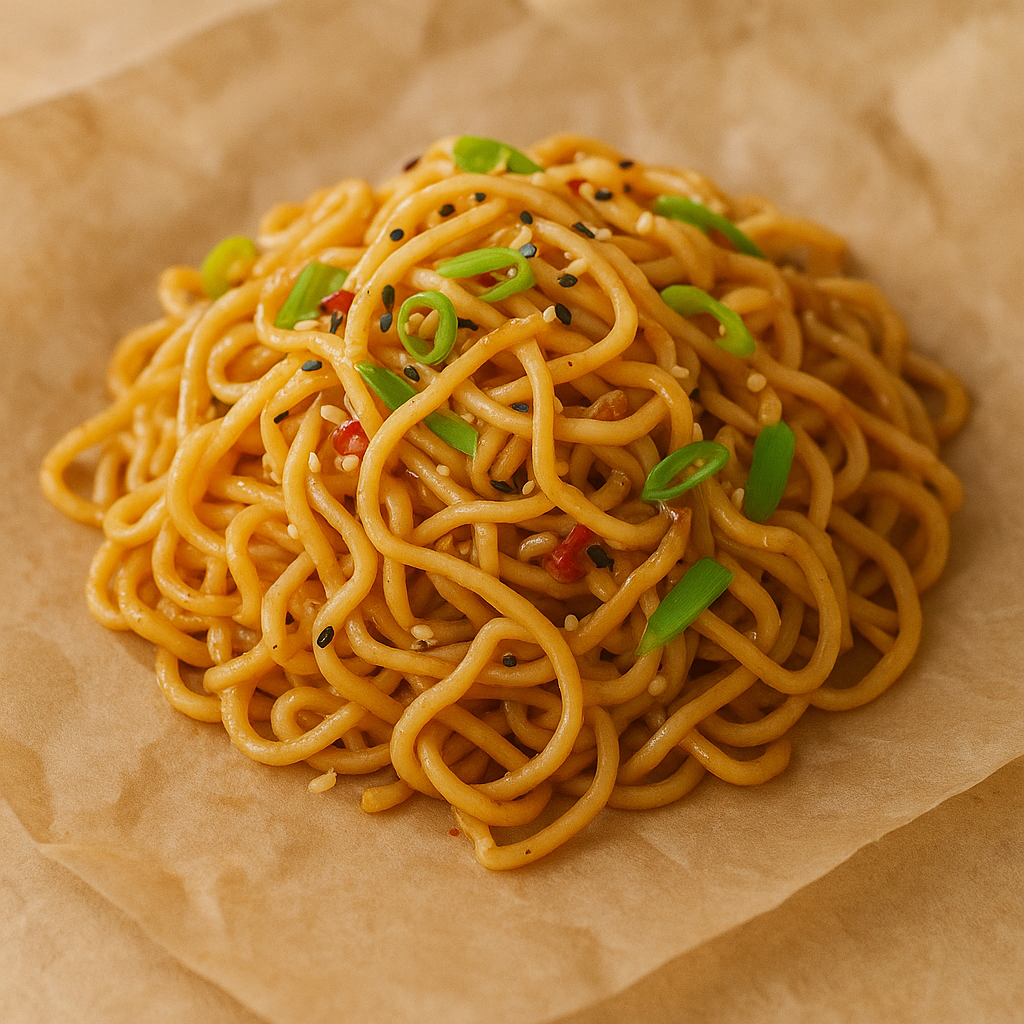
What it is
Okinawa soba noodles are a distinct type of wheat noodle originating from the island of Okinawa in Japan. Unlike mainland Japanese soba, which is made primarily from buckwheat, Okinawa soba uses wheat flour, giving it a softer, chewier texture and a pale yellow hue. The noodles are typically thick and square-cut, designed to absorb the rich flavors of the broth they are served in. They are a staple in Okinawan cuisine, enjoyed for their satisfying bite and versatility.
How people cook with it
These noodles are a cornerstone of traditional Okinawan noodle dishes.
- In savory broths
- With pork belly
- As a base for stir-fries
- With vegetables
To prepare Okinawa soba, the noodles are typically boiled in water until they reach the desired tenderness, which usually takes a few minutes. They are then drained and added to a flavorful broth, often made with pork or chicken stock and seasoned with soy sauce and other local ingredients. Common accompaniments include slices of tender braised pork belly (rafute), kamaboko (fish cake), and a sprinkle of scallions or beni shoga (pickled ginger). They can also be used in stir-fried noodle dishes, absorbing the wok's heat and the sauce's essence.
How it differs from similar foods
Okinawa soba differs significantly from traditional Japanese soba due to its primary ingredient. While Japanese soba is made from buckwheat and has a nutty flavor and slightly grainy texture, Okinawa soba is made from wheat flour, resulting in a softer, chewier noodle with a milder taste that readily takes on the flavors of its accompanying broth.
Who it is for
Home cooks looking to explore authentic Japanese regional cuisine will enjoy preparing Okinawa soba.
How to keep the rest
Uncooked Okinawa soba noodles should be stored in a cool, dry place, away from direct sunlight. Once opened, it is best to keep them in an airtight container to maintain freshness and prevent them from drying out or absorbing odors from other pantry items.