
Grocery
Soba Noodles
What it is
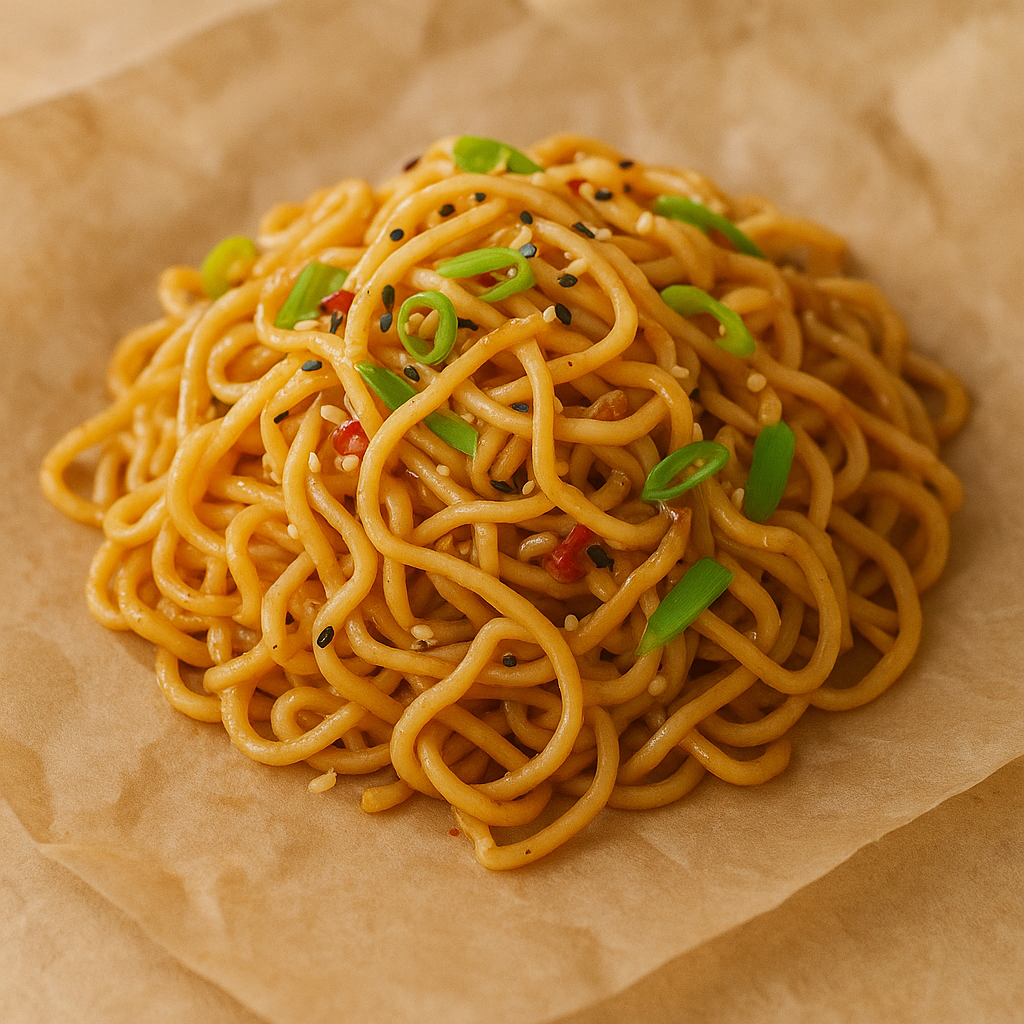
These are noodles made from buckwheat flour. They have a distinct earthy flavor and a slightly chewy texture. Soba noodles are a staple in Japanese cuisine and can be enjoyed in various dishes. They are typically brown or grayish-brown in color, reflecting the natural hue of the buckwheat. Their unique taste makes them a versatile ingredient for both hot and cold preparations.
How people cook with it
Soba noodles are a popular choice for creating flavorful and satisfying meals. They can be served hot in broths or cold with dipping sauces.
- In hot noodle soups
- Chilled with dipping sauce
- Stir-fried with vegetables
- As a side dish
To prepare soba noodles, bring a large pot of unsalted water to a rolling boil. Add the dried noodles and stir gently to prevent sticking. Cook for the time indicated on the package, usually around 5-7 minutes, until they are tender but still have a slight bite. Drain the noodles thoroughly in a colander and rinse them under cold running water to remove excess starch and stop the cooking process. This rinsing step is crucial for achieving the best texture, especially for cold dishes. Serve immediately.
How it differs from similar foods
Unlike wheat-based pasta, soba noodles are made primarily from buckwheat, giving them a more robust, nutty flavor and a slightly rougher texture. They are also often thinner than spaghetti or linguine. This difference in ingredients and texture sets them apart from other noodle varieties.
Who it is for
Home cooks looking to explore Japanese flavors or add a unique noodle option to their repertoire will appreciate soba noodles.
How to keep the rest
Store uncooked soba noodles in a cool, dry place, away from direct sunlight and moisture. Once opened, reseal the package tightly to maintain freshness. Properly stored, they can last for a considerable time. Cooked soba noodles should be refrigerated and consumed within a day or two.