
Grocery
Plain Nonfat Yogurt
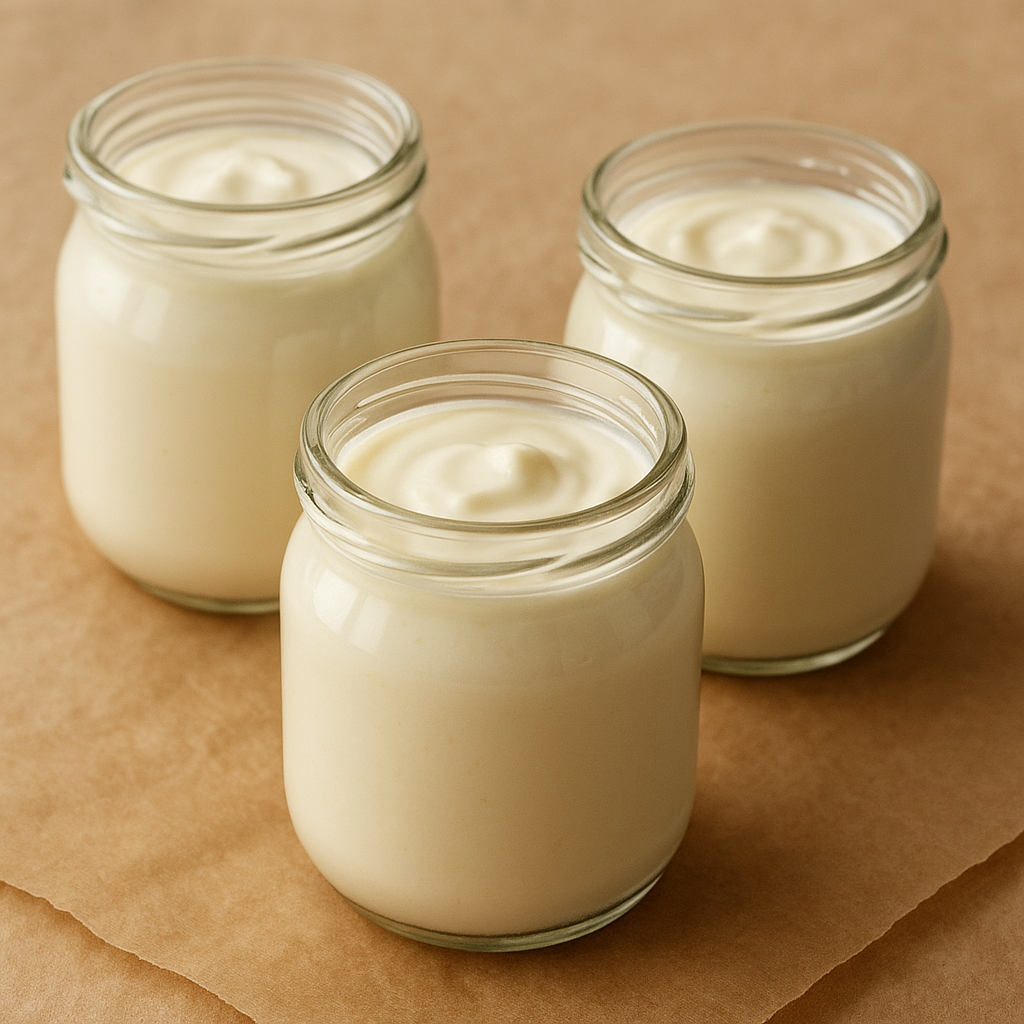
What it is
This is a dairy product made by the bacterial fermentation of milk. Specifically, it is made from skim milk, which means the fat has been removed. The fermentation process gives yogurt its characteristic tangy flavor and thick texture. It is a versatile ingredient that can be enjoyed on its own or incorporated into various dishes. The absence of fat makes it a lighter option compared to full-fat yogurts.
How people cook with it
Plain nonfat yogurt is a staple in many kitchens, valued for its adaptability. It can be a base for both sweet and savory preparations.
- Breakfast bowls
- Smoothie base
- Sauce thickener
- Marinade component
You can eat it directly from the container for a quick snack. For breakfast, combine it with granola, fruits, or nuts. Blend it into smoothies with your favorite fruits and vegetables for a creamy texture. It can also be used as a substitute for sour cream or mayonnaise in dips and dressings. In cooking, it can add moisture and tang to baked goods or serve as a base for marinades for meats and vegetables. Its mild flavor allows it to complement a wide range of ingredients without overpowering them.
How it differs from similar foods
Compared to regular yogurt, nonfat yogurt contains significantly less fat due to the removal of milk fat during processing. This results in a lighter consistency and a less rich mouthfeel. It also tends to be tangier than yogurts with higher fat content, which can be a desirable characteristic for certain culinary applications.
Who it is for
Home cooks and individuals seeking a lighter dairy option often choose this product.
How to keep the rest
To maintain its freshness, keep any remaining nonfat yogurt refrigerated in its original container. Ensure the lid is tightly sealed to prevent air exposure, which can affect its texture and flavor. Consume it within the recommended timeframe after opening for the best quality.