
Grocery
Plain Nonfat Yogurt
What it is
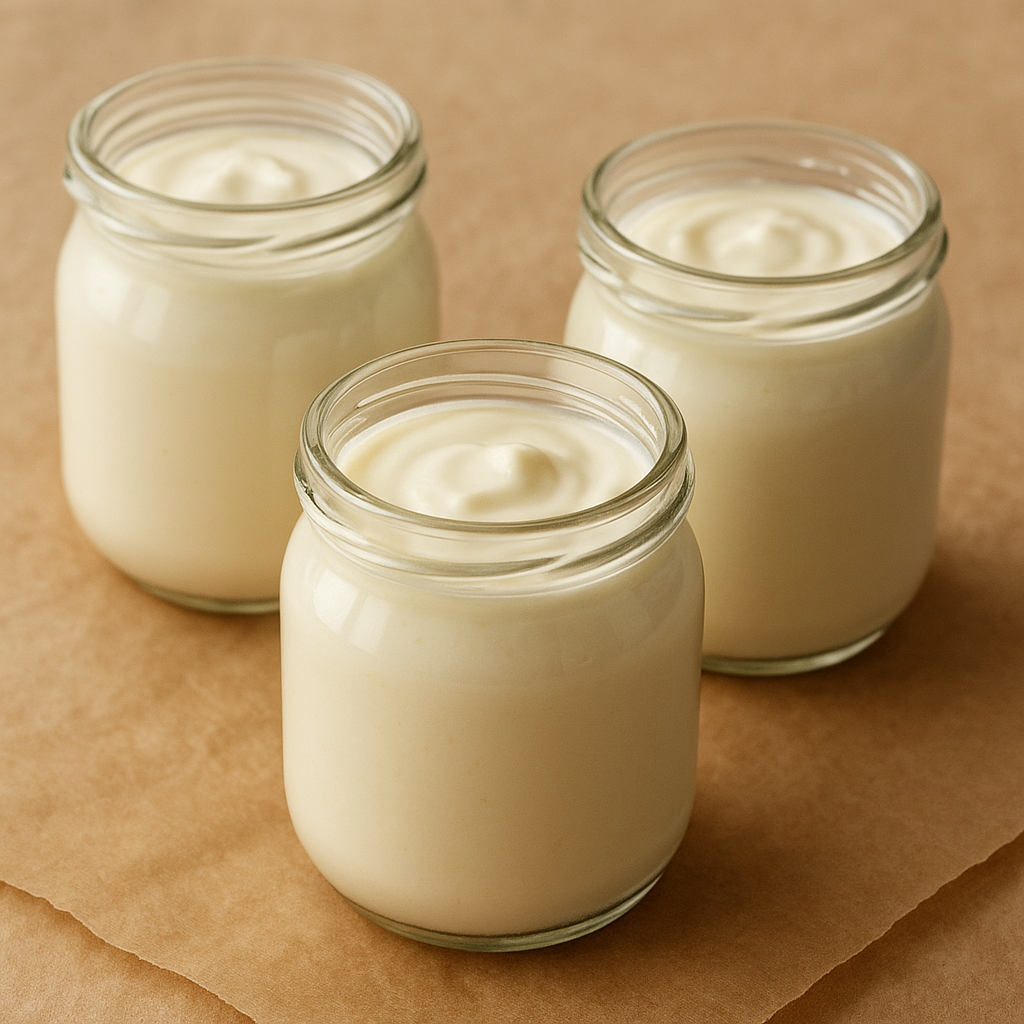
This is a cultured dairy product made from milk that has had most of its fat removed. It undergoes a fermentation process where live bacterial cultures are added to the milk, transforming lactose into lactic acid. This process gives yogurt its characteristic tangy flavor and thick texture. Nonfat yogurt is a lighter option compared to full-fat or low-fat varieties, offering a creamy consistency without the richness of added fats.
How people cook with it
Nonfat yogurt is a versatile ingredient in both sweet and savory dishes. It can be enjoyed on its own or incorporated into various culinary creations.
- Breakfast bowls
- Smoothies
- Sauce bases
- Marinades
Plain nonfat yogurt is excellent as a base for breakfast parfaits, layered with granola and fruit. It blends smoothly into smoothies, adding creaminess and a subtle tang. For savory applications, it can be used as a substitute for sour cream or mayonnaise in dips and dressings. Its mild flavor also makes it suitable for marinades, tenderizing meats like chicken and lamb. When heating, it is best to temper it first to prevent curdling, or add it towards the end of cooking.
How it differs from similar foods
Compared to regular yogurt, nonfat yogurt has a lower fat content, resulting in a lighter mouthfeel and a less rich flavor profile. It may also be thinner in consistency than full-fat versions, sometimes requiring straining for thicker applications. Its tanginess can be more pronounced due to the absence of fat to mellow the lactic acid.
Who it is for
Home cooks looking for a lighter dairy option for their meals and snacks.
How to keep the rest
To maintain freshness, keep any remaining nonfat yogurt refrigerated in its original container. Ensure the lid is tightly sealed to prevent air exposure, which can affect texture and flavor. It is best consumed before the expiration date indicated on the packaging for optimal quality.