
Grocery
Plain Nonfat Yogurt
What it is
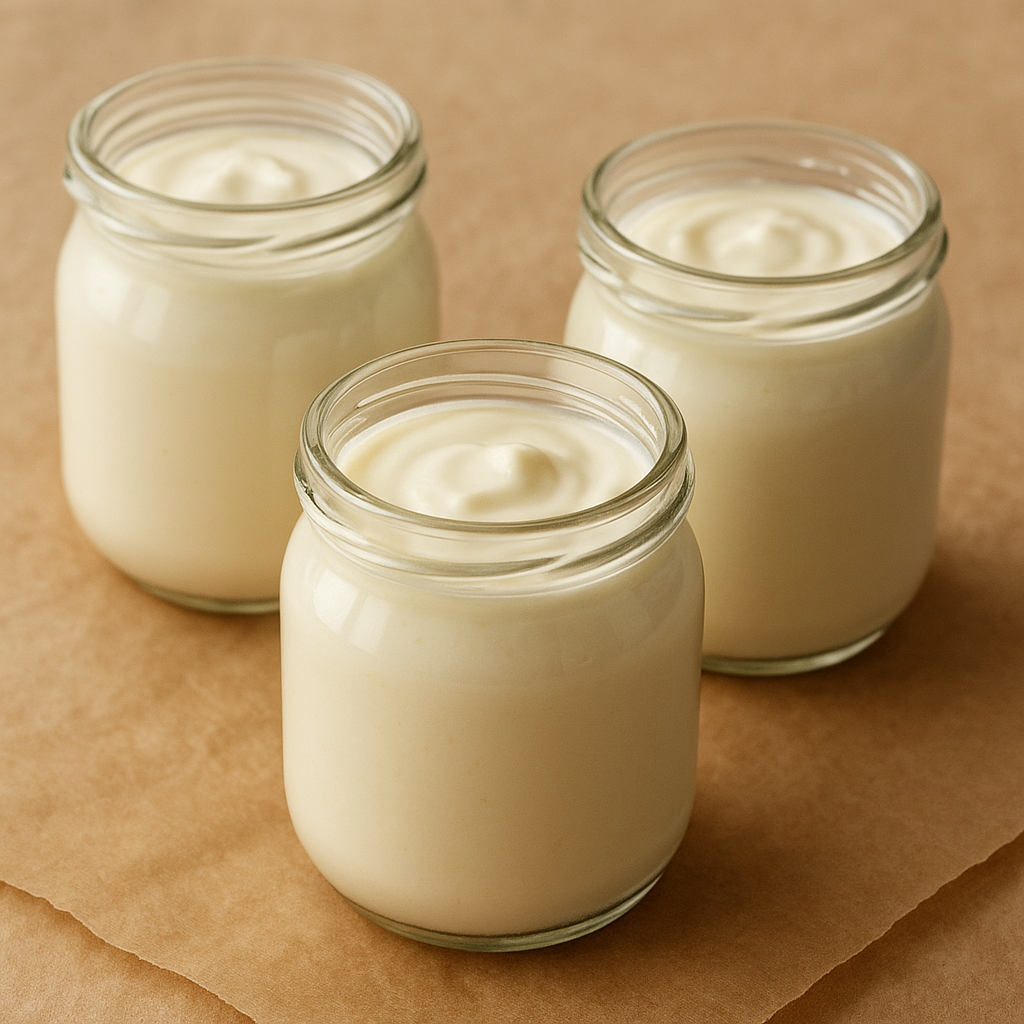
This is a cultured dairy product made from milk that has had most of its fat removed. It undergoes a fermentation process where specific live and active cultures, typically Lactobacillus bulgaricus and Streptococcus thermophilus, are added to the milk. This process thickens the milk and gives it a characteristic tangy flavor. It is a versatile ingredient that can be enjoyed on its own or incorporated into various dishes.
How people cook with it
Plain nonfat yogurt is a staple in many kitchens, offering a creamy base for both sweet and savory preparations. Its mild tang complements a wide range of flavors.
- Breakfast bowls
- Smoothie base
- Marinades
- Sauce thickener
You can enjoy this yogurt straight from the container as a simple snack or breakfast. It works wonderfully as a base for smoothies, blended with fruits, vegetables, or other liquids. In savory cooking, it can be used to create creamy dips, dressings, or marinades for meats and vegetables, adding a subtle tang and tenderizing effect. It can also be stirred into soups or stews to add richness and body without the heaviness of cream. For a simple dessert, top it with fruit or a drizzle of honey.
How it differs from similar foods
Compared to full-fat yogurt, nonfat yogurt has a lighter body and a more pronounced tang due to the absence of fat, which can mute flavors. It also tends to be thinner than Greek-style yogurts, which are strained to remove whey, resulting in a thicker, denser texture.
Who it is for
Home cooks and bakers often choose this yogurt for its versatility and lighter profile.
How to keep the rest
To maintain its freshness and texture, keep any remaining nonfat yogurt refrigerated in its original container. Ensure the lid is tightly sealed to prevent air exposure, which can lead to spoilage. It is best consumed within the recommended timeframe after opening.