
Grocery
Plain Nonfat Yogurt
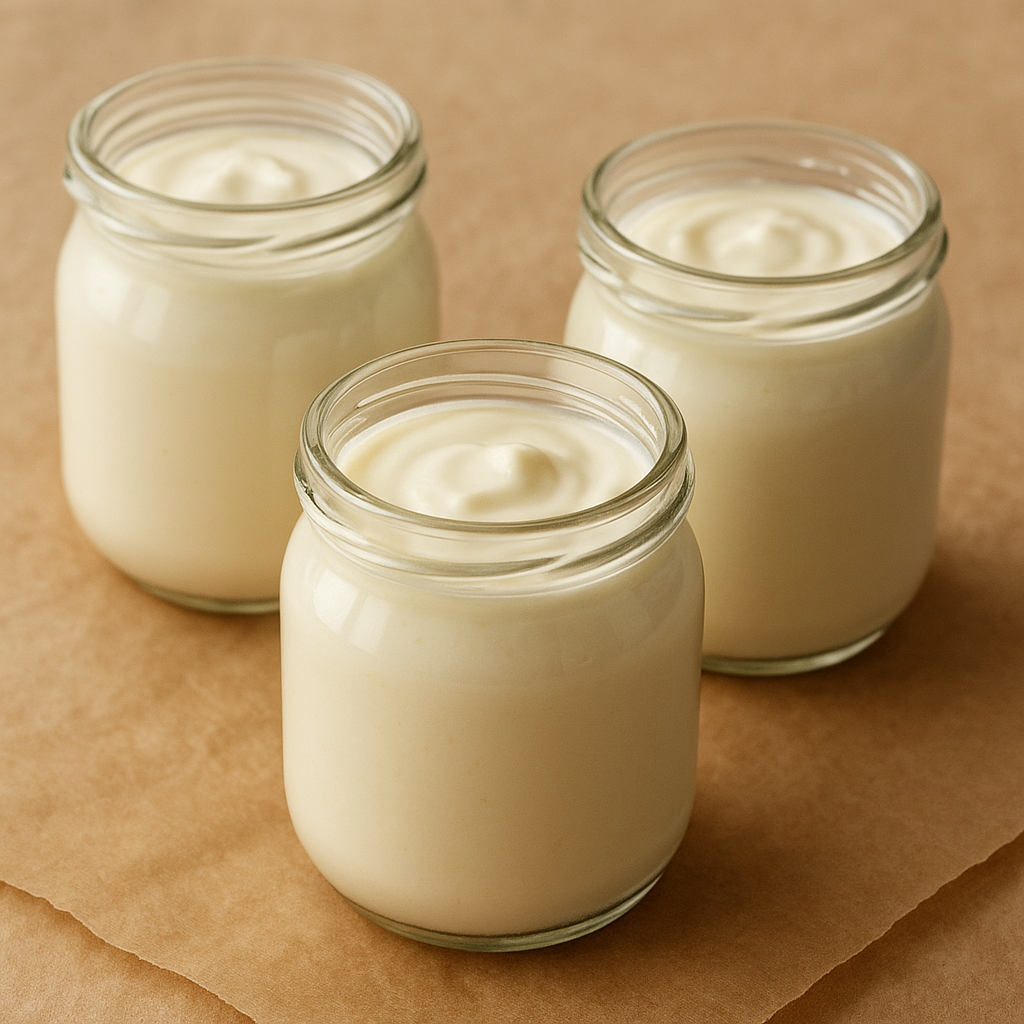
What it is
This is a cultured dairy product made from milk that has had most of its fat removed. It undergoes a fermentation process where specific live and active cultures are added to the milk. This process thickens the yogurt and gives it a characteristic tangy flavor. It is a versatile ingredient, often enjoyed on its own or as a base for other dishes. The absence of fat makes it a lighter option compared to full-fat varieties.
How people cook with it
People use this yogurt in a variety of ways, from breakfast to snacks and even in savory cooking.
- Breakfast bowls
- Smoothie base
- Marinades
- Sauce thickener
It can be eaten directly from the container as a quick and satisfying snack. For breakfast, it is commonly paired with fruits, granola, or a drizzle of honey. It can also be used as a base for dips and salad dressings, or as a healthier substitute for sour cream or mayonnaise in recipes. Its tangy profile makes it suitable for both sweet and savory applications, offering a refreshing counterpoint to richer flavors.
How it differs from similar foods
Compared to regular yogurt, nonfat yogurt contains significantly less fat, making it a lighter choice. It may have a slightly thinner texture and a more pronounced tanginess due to the absence of fat, which can mellow flavors. Some nonfat yogurts might have added thickeners to achieve a comparable consistency.
Who it is for
People looking for a lighter dairy option often choose this yogurt.
How to keep the rest
To keep the remaining yogurt fresh, ensure the container is tightly sealed after each use. Store it in the refrigerator, typically between 35°F and 40°F (1.7°C and 4.4°C). Avoid leaving it at room temperature for extended periods, as this can affect its texture and safety. Consume within the recommended timeframe after opening.