
Grocery
Plain Nonfat Yogurt
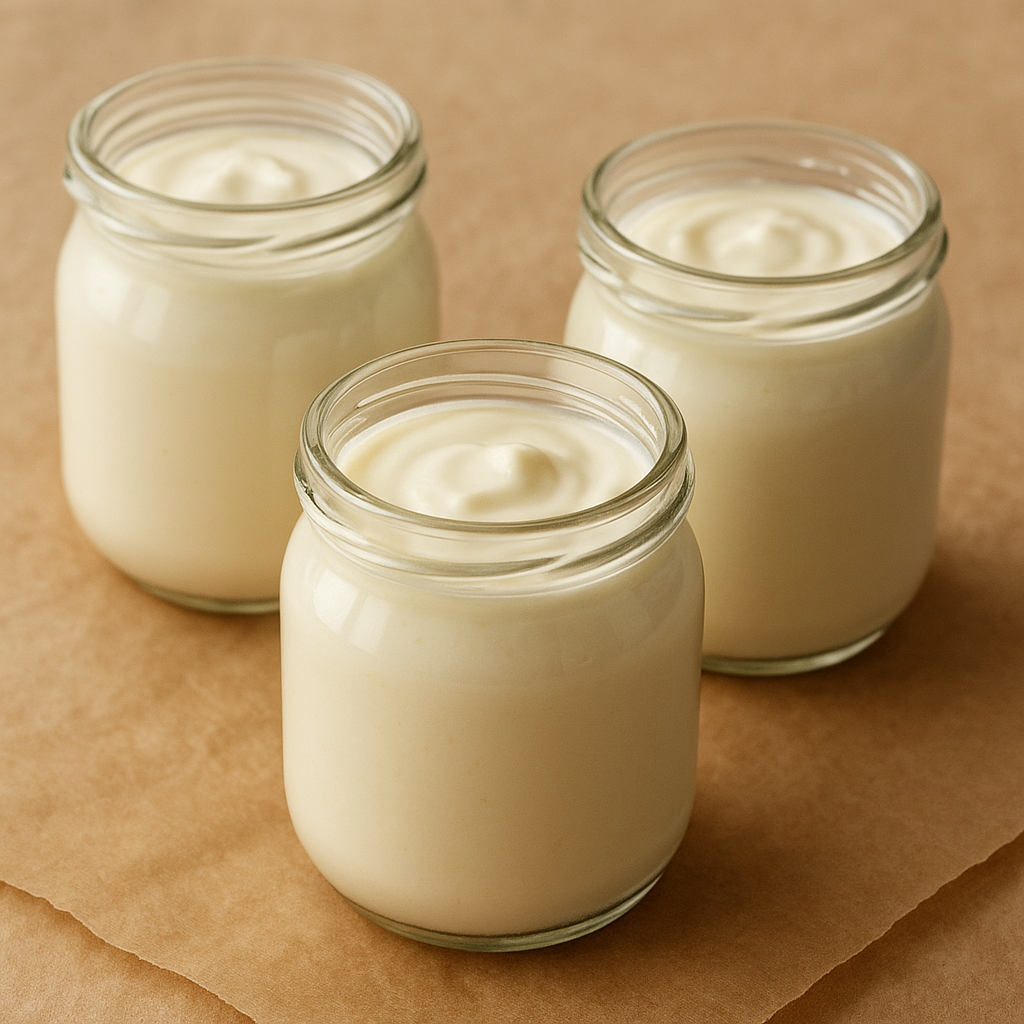
What it is
This is a cultured dairy product made from milk that has had most of its fat removed. It undergoes a fermentation process where live bacterial cultures are added to milk, transforming lactose into lactic acid. This process gives yogurt its characteristic tangy flavor and thick texture. Nonfat yogurt is a lighter option compared to its full-fat counterparts, offering a smooth consistency suitable for various culinary applications.
How people cook with it
People often use nonfat yogurt as a base for many dishes. Its versatility makes it a popular choice in both sweet and savory preparations.
- Smoothie ingredient
- Dip base
- Sauce thickener
- Breakfast topping
Nonfat yogurt can be enjoyed on its own, perhaps with a drizzle of honey or fresh fruit. It is frequently blended into smoothies, adding creaminess and a slight tang without extra fat. In savory dishes, it can serve as a base for dips, dressings, and marinades, or as a cooling element in spicy meals. It can also be used to thicken sauces or as a substitute for sour cream in some recipes, offering a lighter profile.
How it differs from similar foods
Compared to regular yogurt, nonfat yogurt contains significantly less fat. This results in a slightly thinner consistency and a more pronounced tanginess.
Who it is for
Home cooks and bakers who prefer a lighter dairy option often choose nonfat yogurt for their recipes.
How to keep the rest
To maintain its freshness, keep any remaining nonfat yogurt refrigerated in its original container. Ensure the lid is tightly sealed to prevent air exposure and potential spoilage. It is best consumed before the expiration date indicated on the packaging.