
Grocery
Cultured Nonfat Buttermilk
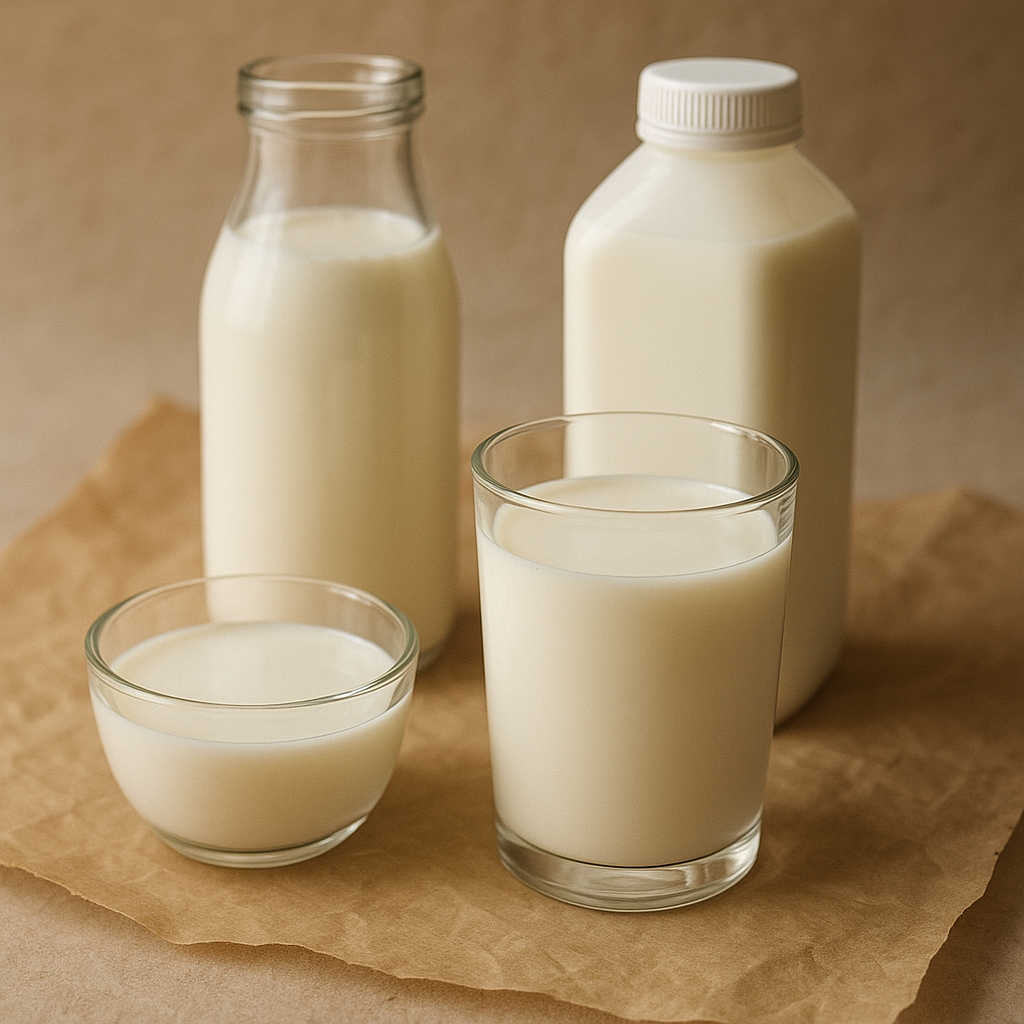
What it is
This is a dairy beverage made from skim milk that has undergone a culturing process. The culturing involves adding live bacteria, which gives it a characteristic tangy flavor and a thicker consistency than regular milk. It is a low-fat option, meaning it contains very little butterfat. The fermentation process also contributes to its unique taste profile. It is a common ingredient in many baked goods and savory dishes.
How people cook with it
Buttermilk is a versatile ingredient that adds moisture and tenderness to baked goods. It also provides a unique flavor to marinades and dressings.
- Baking cakes and biscuits
- Marinating chicken
- Making pancakes
- Creating salad dressings
When baking, buttermilk replaces regular milk and often other liquids like water. Its acidity reacts with leavening agents such as baking soda, creating a lighter and more tender crumb in cakes, muffins, and biscuits. It can also be used as a base for marinades, where its acidity helps to tenderize meats like chicken and pork. For dressings, it adds a creamy texture and a pleasant tanginess. It can be enjoyed on its own as a refreshing drink.
How it differs from similar foods
Unlike regular milk, cultured buttermilk has a distinct sour or tangy flavor due to the fermentation process. It is also typically thicker in consistency. The acidity is a key difference, making it react differently with baking ingredients compared to plain milk.
Who it is for
Home cooks and bakers who want to add moisture and a unique flavor to their recipes.
How to keep the rest
Keep refrigerated at all times. Once opened, it should be consumed within the recommended timeframe, usually a few days, to maintain its freshness and flavor. Ensure the container is tightly sealed to prevent spoilage and absorption of odors from the refrigerator.