
Grocery
Plain Nonfat Yogurt
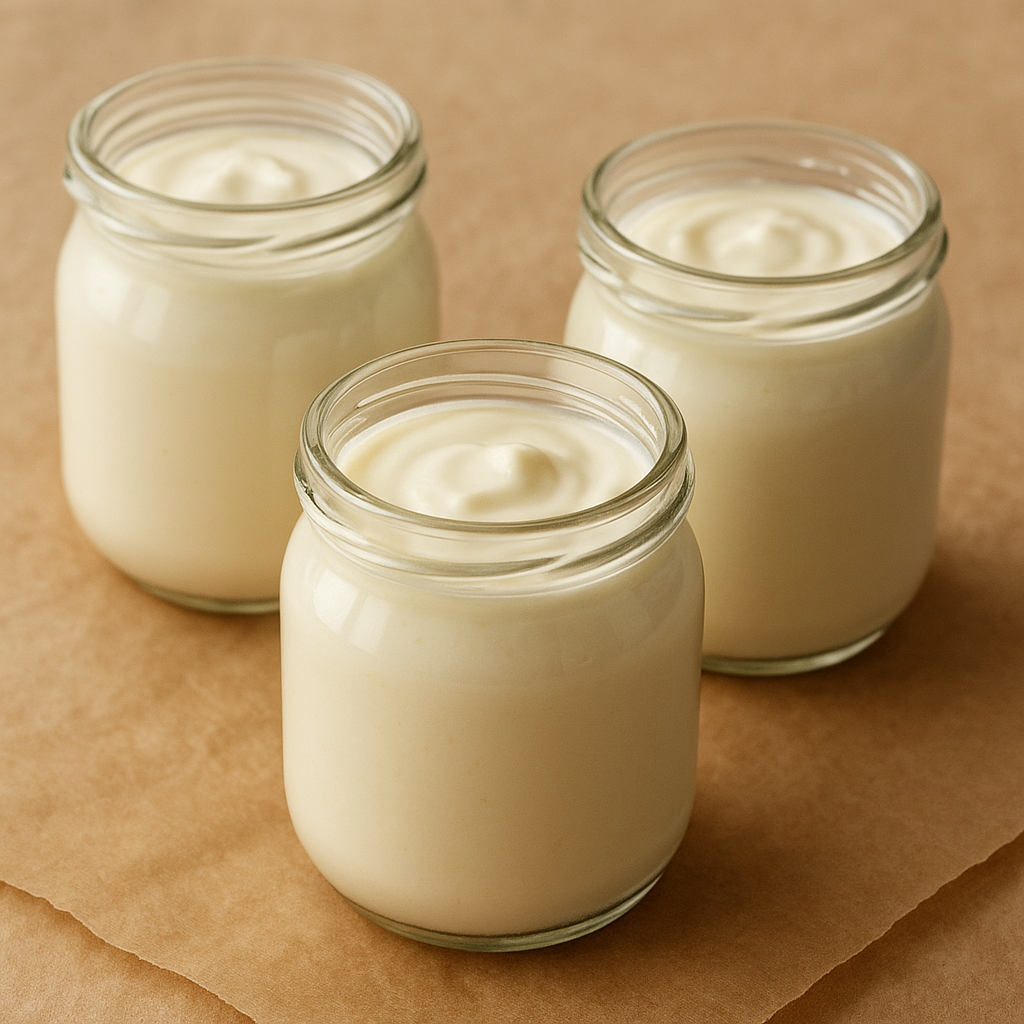
What it is
This is a dairy product made by fermenting milk that has had its fat removed. The fermentation process uses live bacterial cultures, typically Lactobacillus bulgaricus and Streptococcus thermophilus. These cultures convert lactose, the sugar in milk, into lactic acid. This process gives yogurt its characteristic tangy flavor and thick texture. Nonfat yogurt contains very little to no fat, making it a lighter option compared to full-fat versions. It is a versatile ingredient that can be enjoyed on its own or incorporated into various dishes.
How people cook with it
Plain nonfat yogurt is a staple in many kitchens, valued for its versatility and mild flavor profile. It serves as a base for countless culinary creations.
- Breakfast bowls
- Smoothies
- Sauce bases
- Marinades
Plain nonfat yogurt can be eaten directly from the container as a simple snack or a base for breakfast. It blends smoothly into smoothies, adding creaminess and a slight tang without excess fat. In cooking, it can be used to create creamy sauces, dips, and dressings, often replacing sour cream or mayonnaise. It also works well as a tenderizer in marinades for meats and poultry, contributing moisture and a subtle acidity. Its neutral flavor allows it to absorb other tastes easily.
How it differs from similar foods
Compared to full-fat yogurt, nonfat yogurt has a thinner consistency and a more pronounced tang due to the absence of fat, which typically mellows flavor.
Who it is for
Home cooks and bakers who seek a lighter dairy option for their recipes or a healthy snack.
How to keep the rest
To maintain its freshness, store any unused nonfat yogurt in its original container with the lid tightly sealed. Keep it refrigerated in the coldest part of your refrigerator, away from the door. It is best consumed within the recommended 'use by' date for optimal quality.