
Heb
Naturally Leavened Sourdough Bread
What it is
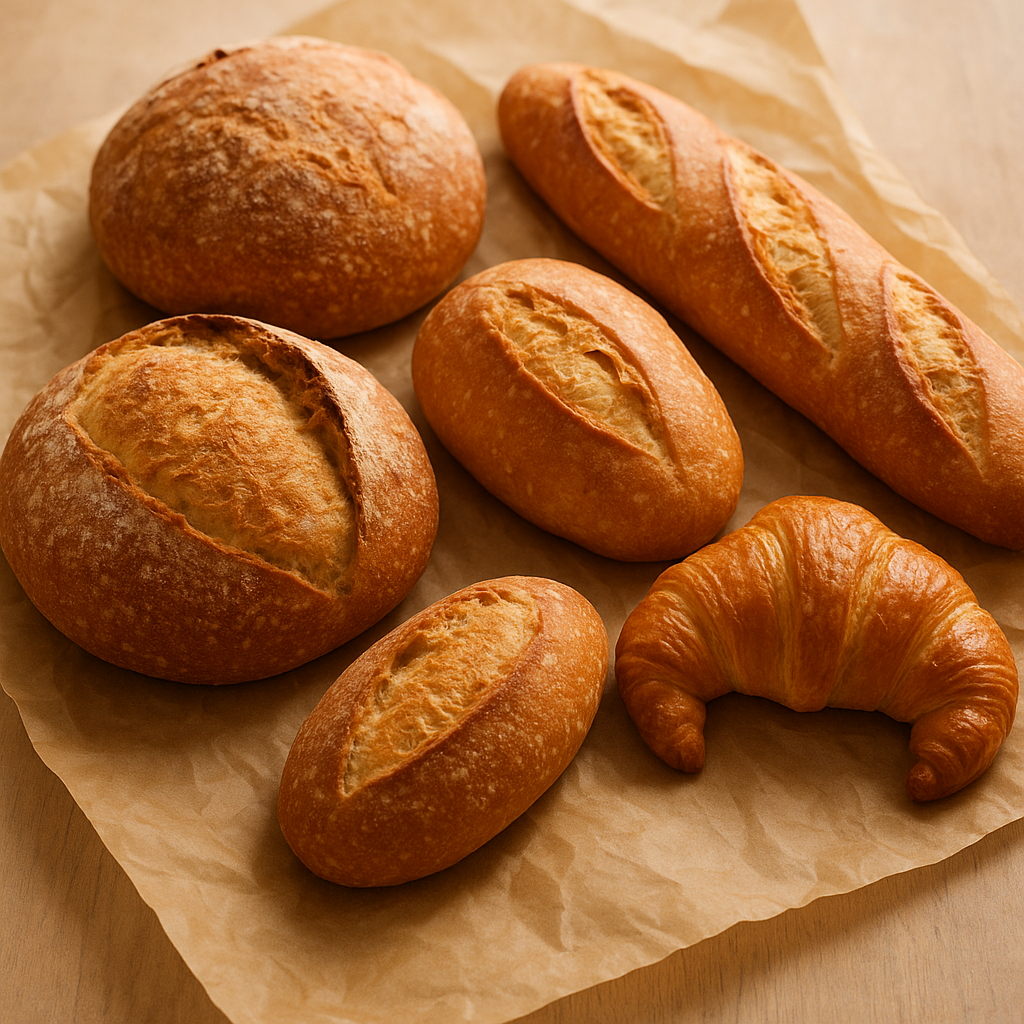
This is a loaf of sourdough bread made using a natural leavening process. This means it relies on a starter culture of wild yeast and bacteria, rather than commercial yeast, to rise. The long fermentation time contributes to its characteristic tangy flavor and chewy texture. The crust is typically well-developed and can range from golden brown to a deeper, richer hue depending on the baking process. The interior crumb is often open and airy, with irregular holes.
How people cook with it
Sourdough bread is a versatile staple that can elevate many meals. Its unique flavor profile makes it suitable for both simple and complex dishes.
- Toasted for breakfast
- Sandwich base
- Served with soup
- Accompaniment to cheese
To enjoy this sourdough bread, you can slice it and toast it to a golden crispness, perfect for spreading with butter or your favorite jam. It makes an excellent foundation for sandwiches, holding up well to various fillings. Consider serving thick slices alongside hearty soups or stews, where its robust texture can provide a satisfying contrast. It also pairs beautifully with a selection of cheeses, enhancing the overall dining experience. For a simple yet delicious treat, a drizzle of olive oil and a sprinkle of sea salt can bring out its natural flavors.
How it differs from similar foods
Unlike breads made with commercial yeast, this sourdough bread develops its flavor and texture through a slow fermentation process involving a wild yeast starter. This results in a more complex, tangy taste and a chewier crumb. The natural leavening also contributes to a distinct aroma and a crust that can be more substantial.
Who it is for
Home cooks and food enthusiasts who appreciate artisanal bread and unique flavors often choose this type of loaf.
How to keep the rest
To keep the remaining bread fresh, store it at room temperature in a bread box or a loosely tied paper bag. Avoid refrigerating it, as this can cause the bread to stale more quickly. For longer storage, you can slice the bread and freeze it in an airtight container or freezer bag.