
Grocery
Natural Raw Almonds
What it is
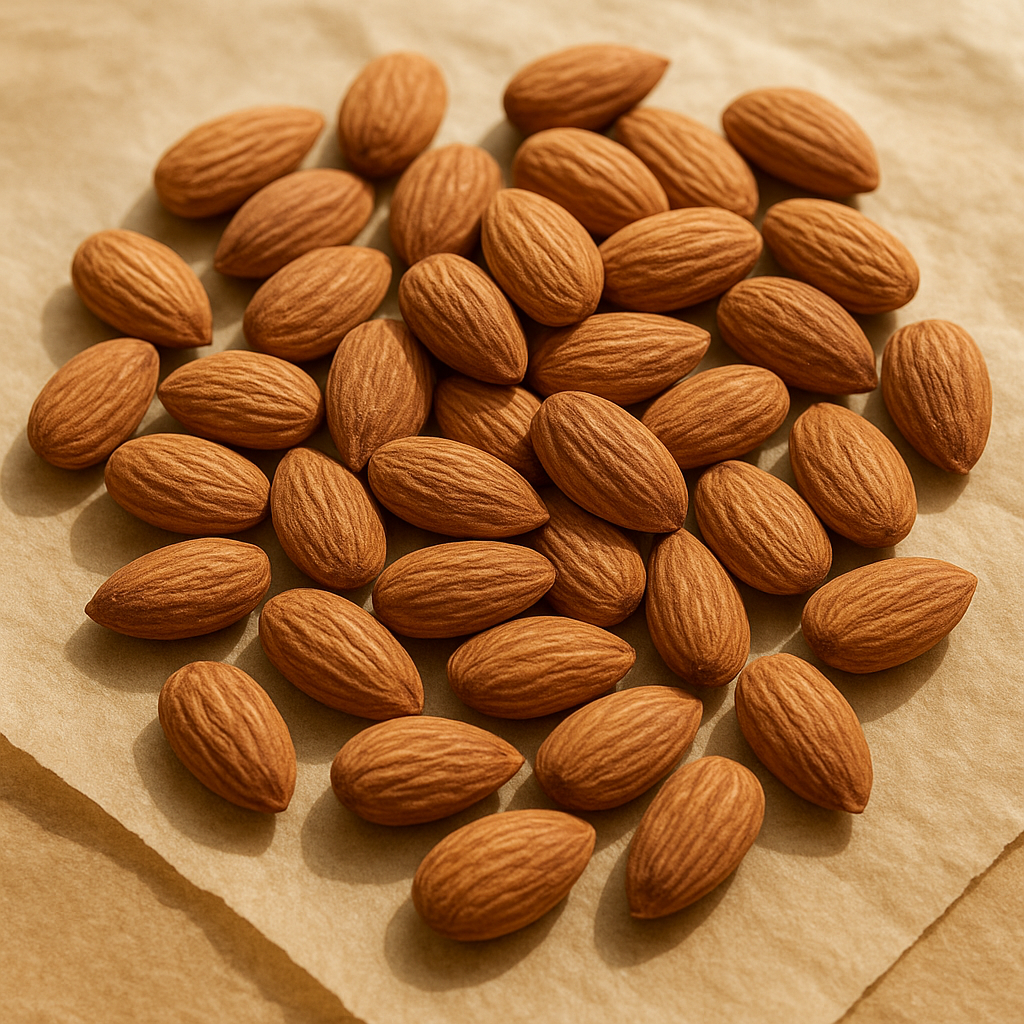
These are whole almonds in their natural state, without any added salt, oil, or seasonings. They are typically sold in their shells or as shelled kernels. The almonds are harvested and then processed to remove the outer hull, leaving the edible nut inside. They retain their natural flavor and texture, making them a versatile ingredient for various culinary applications. Their raw form means they have not undergone any heat treatment, preserving their inherent characteristics.
How people cook with it
Raw almonds are a foundational ingredient in many kitchens, used both for snacking and in cooking.
- Snacking on their own
- Adding to baked goods
- Incorporating into salads
- Blending into sauces
You can enjoy these almonds straight from the package as a quick and satisfying snack. For cooking, they can be chopped or slivered and added to a wide range of dishes. Toasting them lightly in a dry pan or oven can enhance their flavor and crunch, making them even more appealing in salads or as a topping for desserts. They can also be ground into almond flour for baking or blended with water to create dairy-free milk or creamy sauces. Their versatility allows them to be used in both sweet and savory preparations.
How it differs from similar foods
Unlike roasted almonds, raw almonds have a milder flavor and a softer texture. Roasting brings out a deeper, nuttier taste and a crispier consistency. Blanched almonds, which have had their skins removed, offer a smoother appearance and a more delicate flavor profile, often preferred for certain baking applications.
Who it is for
Home cooks and snack enthusiasts appreciate raw almonds for their versatility and natural appeal.
How to keep the rest
To keep the rest of your raw almonds fresh, store them in an airtight container in a cool, dry place. For longer storage, refrigeration is recommended, which can help maintain their quality and prevent them from becoming rancid. Ensure the container is sealed tightly to protect them from moisture and odors.