
Grocery
Natural Hog Casings for Sausage Making
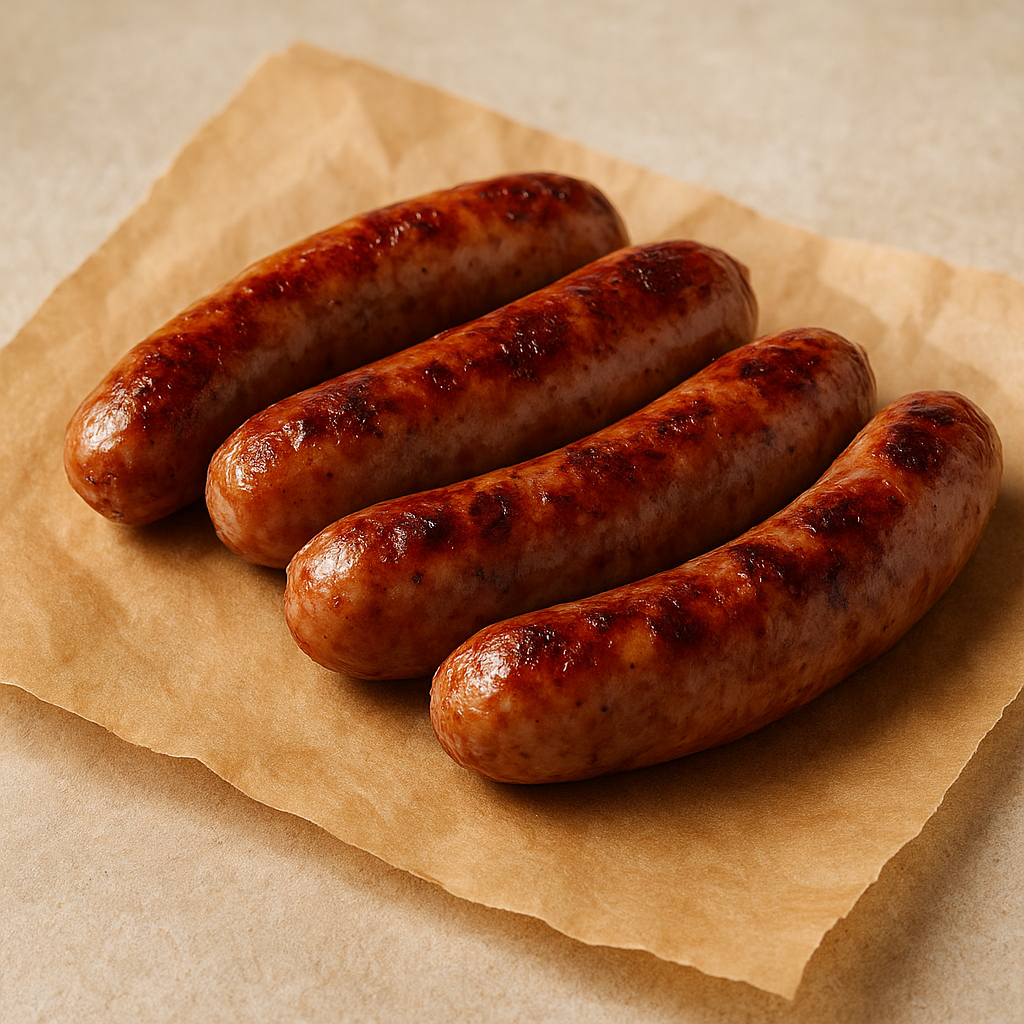
What it is
These are the cleaned and prepared intestines of hogs, specifically selected for their suitability as casings for stuffing sausages. They are a natural product, offering a distinct texture and flavor profile that many sausage makers prefer. The casings are typically sold in a salted or brined state to preserve them, requiring preparation before use. They are a traditional choice for crafting a wide variety of homemade sausages.
How people cook with it
Natural hog casings are essential for anyone looking to make authentic, homemade sausages. They provide the traditional casing that holds the seasoned meat mixture together.
- Stuffing fresh sausages
- Making bratwurst
- Creating Italian sausage
- Crafting breakfast links
Before stuffing, natural hog casings need to be rinsed thoroughly to remove the salt or brine. Then, they are typically soaked in cool water for at least 30 minutes, or sometimes longer, to make them pliable and easier to work with. After soaking, they are rinsed again, inside and out, to ensure they are clean. The prepared casing is then threaded onto the sausage stuffer's nozzle and filled with the seasoned meat mixture. It is important to avoid overstuffing to prevent bursting during cooking.
How it differs from similar foods
Compared to artificial casings, natural hog casings offer a more authentic texture and a slight 'snap' when bitten. They are also breathable, which can contribute to better drying and flavor development in certain types of sausages. Their natural origin means they can vary slightly in size and thickness.
Who it is for
Home cooks and aspiring sausage makers who value traditional methods and authentic results will find these casings invaluable.
How to keep the rest
Once opened, any unused portion of the hog casings should be thoroughly rinsed and then stored submerged in fresh water in an airtight container in the refrigerator. They can also be stored in a salt brine. It is best to use them within a few days or freeze them for longer storage.