
Grocery
Frozen Peeled and Deveined Shrimp
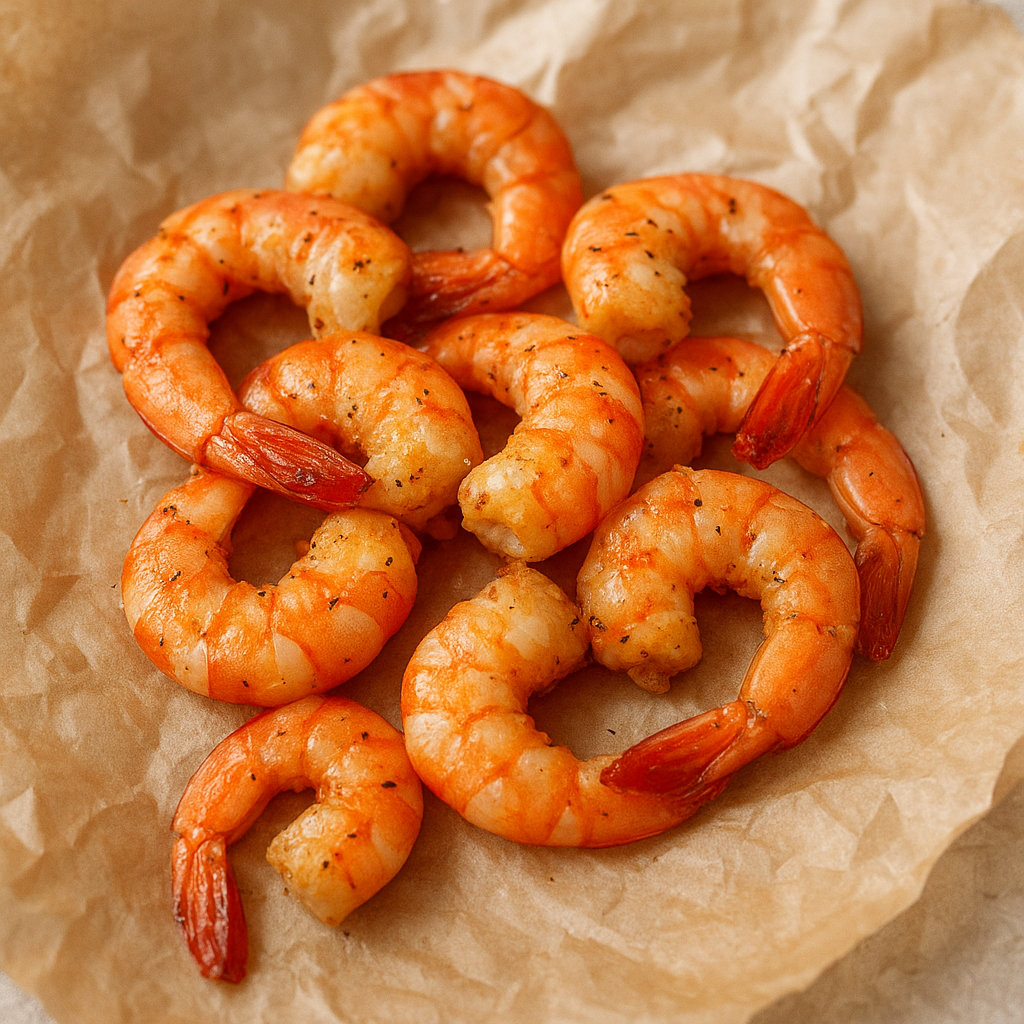
What it is
These are raw shrimp that have been cleaned and prepared for cooking. The shells and the vein, which is the digestive tract, have been removed. They are typically frozen shortly after being processed to preserve their freshness. This makes them a convenient option for quick meals. The shrimp are usually sold in a block of ice or in a bag.
How people cook with it
Frozen shrimp are incredibly versatile in the kitchen. They can be added to a wide variety of dishes, from quick weeknight dinners to more elaborate meals.
- Stir-fries
- Pasta dishes
- Salads
- Soups
To use frozen shrimp, you will need to thaw them first. The safest way to thaw is to place the frozen shrimp in a colander in the refrigerator overnight. For a quicker method, you can place the shrimp in a sealed bag and submerge it in cold water. Once thawed, they are ready to be cooked. You can sauté them with garlic and butter, add them to simmering sauces, or grill them. Be careful not to overcook, as shrimp can become tough quickly. They cook very fast, often in just a few minutes.
How it differs from similar foods
Unlike fresh shrimp, frozen shrimp offer longer shelf life and convenience. Peeled and deveined shrimp save preparation time compared to shell-on varieties. The freezing process can sometimes alter the texture slightly compared to very fresh, never-frozen shrimp, but the difference is often minimal when cooked.
How to keep the rest
Once thawed, keep the shrimp refrigerated and use them within one to two days. If the shrimp are still frozen, store them in your freezer at 0°F (-18°C) or below. Keep them in their original packaging or an airtight container to prevent freezer burn.