
Grocery
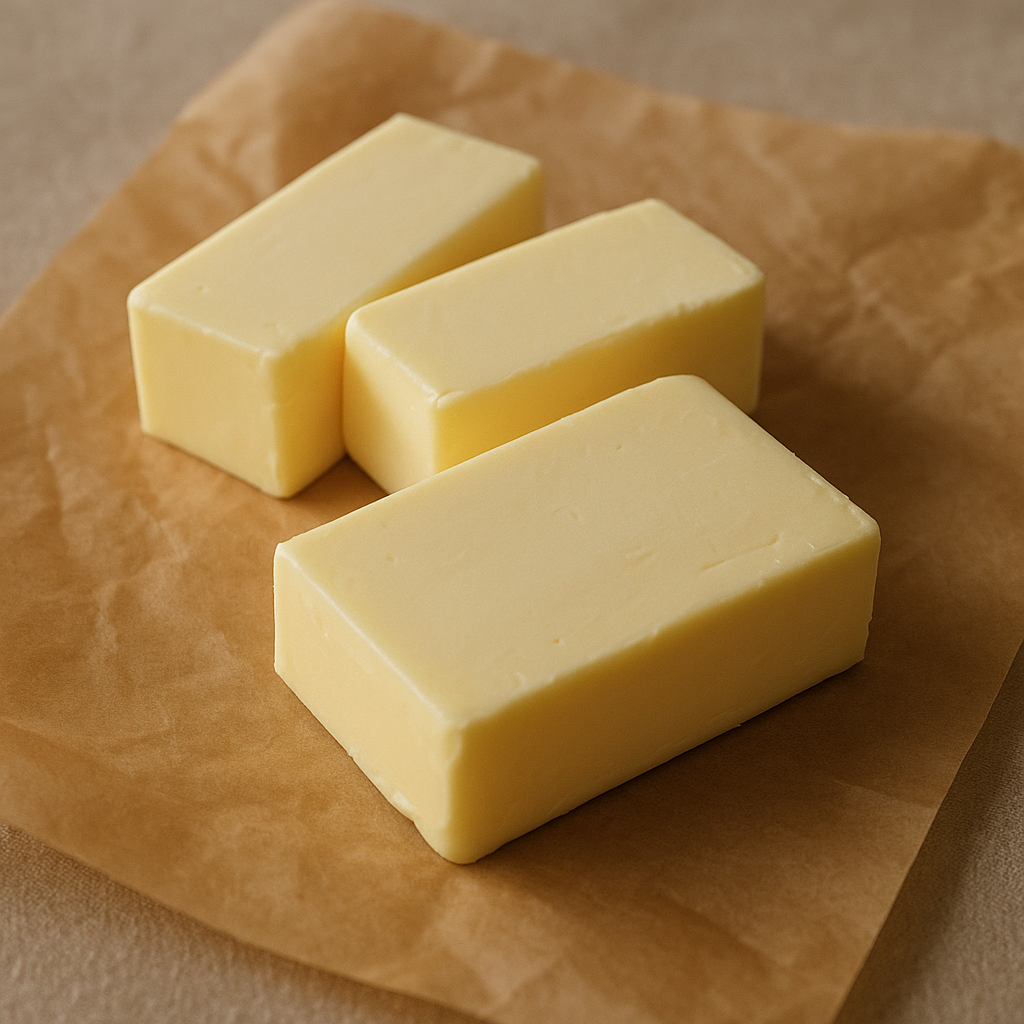
Unsalted Butter Sticks
What it is
This is a standard block of unsalted butter, a dairy product made from churning milk or cream. It is a solid fat at room temperature but softens and melts when heated. Unsalted butter is preferred in many baking recipes because it allows the baker to control the overall salt content of the final product. It has a rich, creamy flavor that enhances many dishes.
How people cook with it
Butter is a versatile ingredient used in both sweet and savory cooking. It adds richness and helps create desirable textures in baked goods.
- Baking cakes and cookies
- Sautéing vegetables
- Spreading on toast
- Sauce bases
Unsalted butter can be used in a multitude of ways. For baking, it is often creamed with sugar to create a light and airy base for cakes and cookies. It can also be melted to add moisture and richness to quick breads or brownies. In savory cooking, butter is excellent for sautéing vegetables, providing a base for pan sauces, or browning meats. It can be softened and mixed with herbs or garlic for compound butters, or simply melted and drizzled over finished dishes for added flavor and a glossy finish.
How it differs from similar foods
Unsalted butter differs from salted butter by the absence of added salt. This distinction is important for bakers who need precise control over the salt levels in their recipes. Salted butter contains added salt, which can affect the flavor and texture of baked goods, and may also act as a mild preservative.
Who it is for
Home cooks and professional bakers often choose unsalted butter for its versatility and control over seasoning.
How to keep the rest
To store the remaining butter, wrap it tightly in its original packaging or in plastic wrap to prevent it from absorbing odors from the refrigerator. It should be kept in the refrigerator to maintain its solid state. For longer storage, butter can be frozen.