
Grocery
Whole Mustard Seeds
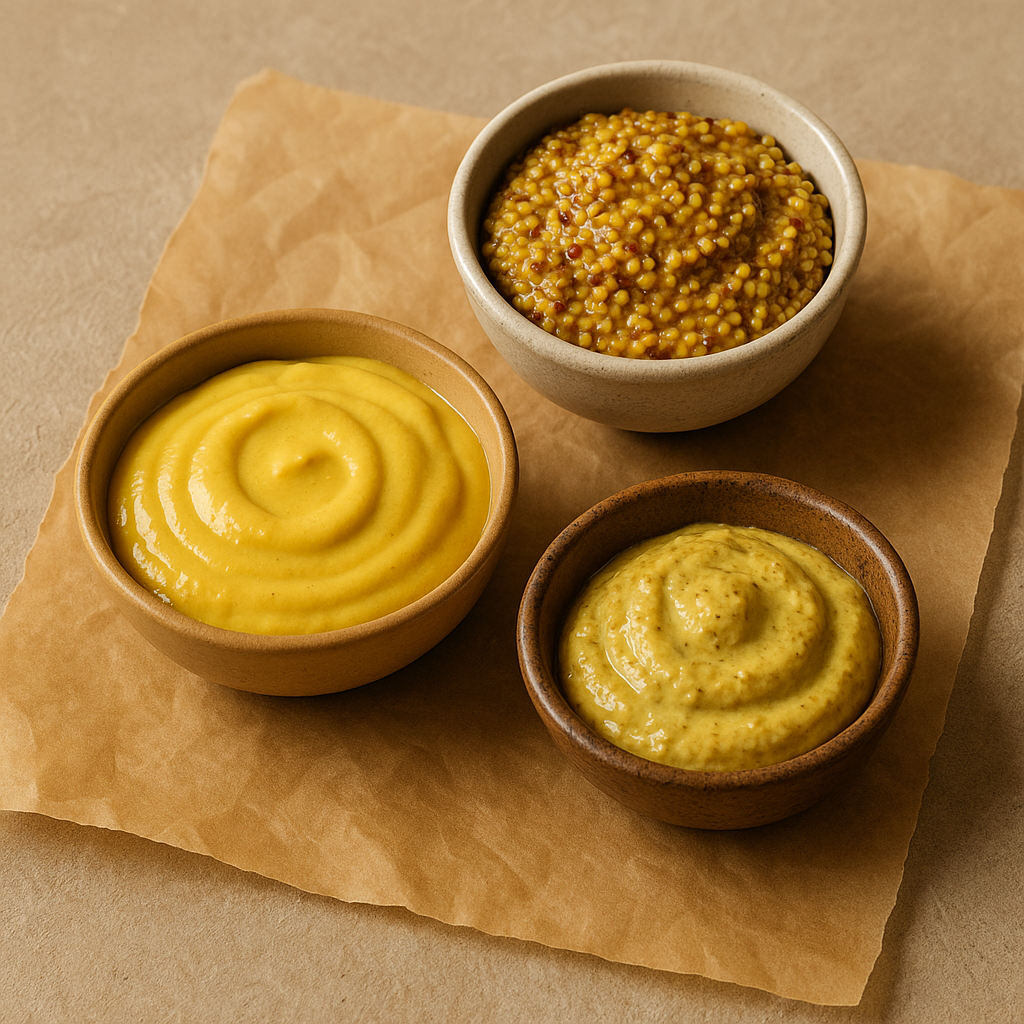
What it is
Whole mustard seeds are the small, round seeds of the mustard plant. They are typically brown or black, though yellow varieties also exist. These seeds are known for their pungent flavor and aroma, which are released when they are crushed or heated. They are a common ingredient in many cuisines around the world, adding a distinct spicy kick to dishes. Their texture is firm and they retain their shape when cooked, providing a pleasant bite.
How people cook with it
Whole mustard seeds are a versatile ingredient that can be used in a variety of ways to add flavor and texture to meals.
- Pickling vegetables
- Flavoring curries
- Making mustard pastes
- Adding to rubs
Whole mustard seeds are often tempered in hot oil or butter at the beginning of cooking to release their flavor. This process, known as blooming, awakens their pungent qualities. They can be added directly to dishes like curries, stews, or lentil preparations, where they will soften slightly as they cook. They are also a key component in homemade pickles and chutneys, providing both flavor and a visual element. For a more intense flavor, they can be lightly toasted before use. They can also be ground into a powder to make mustard paste or used whole in spice blends.
How it differs from similar foods
Unlike ground mustard, whole seeds retain their shape and offer a milder, more nuanced release of flavor over time. Their texture is also distinct, providing a subtle pop rather than a smooth consistency. The whole seeds require heat to fully activate their pungency, whereas ground mustard is ready to use immediately.
Who it is for
Home cooks and professional chefs use whole mustard seeds to enhance the depth and complexity of their dishes.
How to keep the rest
To maintain freshness, store whole mustard seeds in an airtight container in a cool, dark, and dry place. This will help preserve their flavor and aroma for an extended period. Avoid exposure to moisture and direct sunlight, which can degrade their quality. Properly stored, they can last for a significant amount of time.