
Tone's
Tone's Mustard Seed
What it is
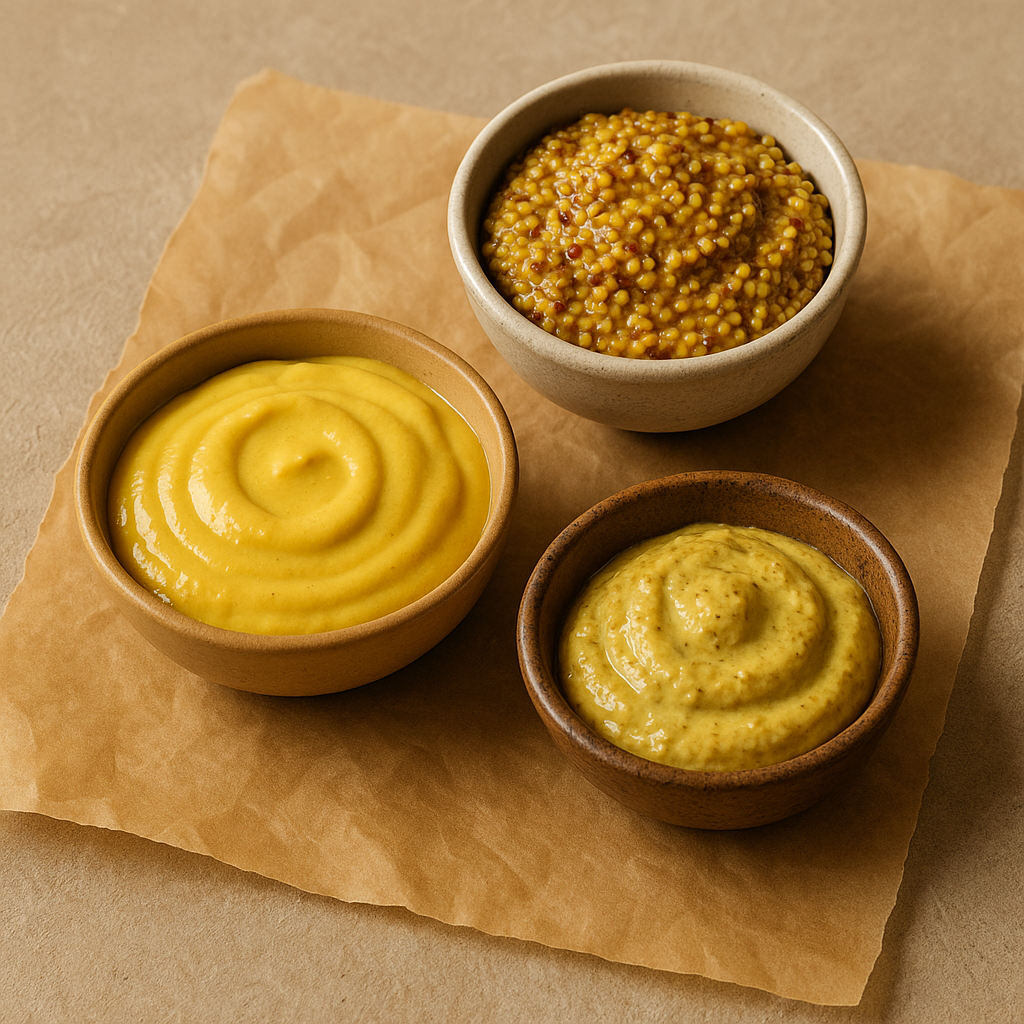
These small, round seeds are the dried seeds of the mustard plant. They are a fundamental spice used in cuisines around the world. Mustard seeds come in various colors, including yellow, brown, and black, each offering a slightly different flavor profile. They are typically sold whole and are often toasted or ground before use to release their pungent aroma and taste. Their versatility makes them a pantry staple for many home cooks.
How people cook with it
Mustard seeds are a versatile ingredient that can add a sharp, spicy kick to a wide range of dishes. They are commonly used in pickling, marinades, and as a base for sauces.
- Pickling vegetables
- Flavoring marinades
- Tempering oils
- Adding spice to sauces
Whole mustard seeds can be added directly to dishes, where they will soften and release their flavor during cooking. They are particularly effective when tempered in hot oil or butter at the beginning of a recipe, a technique common in Indian cooking. This process toasts the seeds, making them more aromatic and less bitter. Ground mustard seeds, often referred to as mustard powder, can be whisked into dressings, rubs, and batters to impart a consistent flavor. The intensity of the spice can be controlled by the amount used and whether the seeds are toasted or ground.
How it differs from similar foods
Whole mustard seeds offer a burst of flavor when bitten into, while ground mustard provides a more uniform spice throughout a dish. Different colored mustard seeds also vary in heat; black and brown seeds are generally more pungent than yellow ones. The way they are prepared, such as toasting or grinding, significantly alters their final taste and aroma.
Who it is for
Home cooks looking to add depth and spice to their culinary creations.
How to keep the rest
To maintain freshness, store whole mustard seeds in an airtight container in a cool, dark, and dry place. Avoid exposure to heat and moisture, which can degrade their flavor. Properly stored, they can retain their potency for an extended period, ensuring they are ready for your next culinary endeavor.