
Grocery
Whole Mustard Seeds
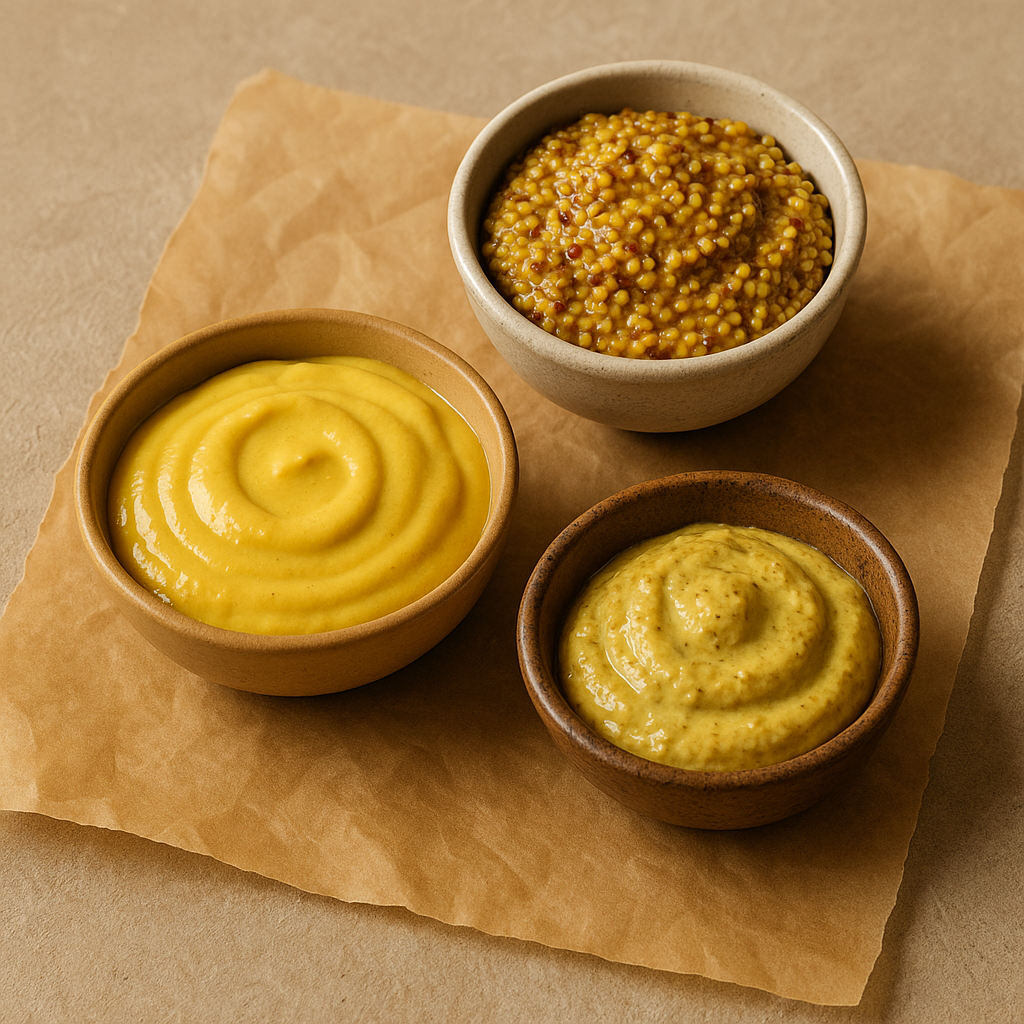
What it is
These are the small, round seeds of the mustard plant. They are typically yellow, brown, or black, depending on the variety. Whole seeds retain their pungent flavor and aroma until they are crushed or ground. They are a staple in many cuisines worldwide, adding a distinctive bite and complexity to dishes. Their hard outer shell protects the volatile oils within, releasing them when heated or moistened.
How people cook with it
Whole mustard seeds are used in various ways to infuse flavor into foods. They can be toasted, bloomed in oil, or added directly to dishes.
- Toasted for spice blends
- Bloomed in hot oil
- Pickling brine ingredient
- Added to stews
To release their flavor, whole mustard seeds can be gently heated in oil or butter until they begin to pop and release their aroma. This process, known as blooming, is common in Indian cooking and infuses the cooking fat with their essence. They can also be added directly to longer-cooking dishes like stews and braises, where their flavor will gradually develop. For a sharper taste, they can be ground just before use. Soaking them in water or vinegar can also soften them and mellow their intensity.
How it differs from similar foods
Unlike ground mustard, whole seeds offer a textural element and a more nuanced release of flavor. Ground mustard provides an immediate, strong pungency, while whole seeds deliver a slower, more sustained heat and a subtle crunch when eaten whole.
Who it is for
Home cooks and professional chefs utilize these seeds for their versatile flavor-building capabilities.
How to keep the rest
Store whole mustard seeds in an airtight container in a cool, dark, and dry place. This will help preserve their potency and prevent them from becoming stale. Avoid exposure to moisture, which can prematurely activate their flavor and reduce their shelf life.