
Grocery
Pickled Mustard Eggs
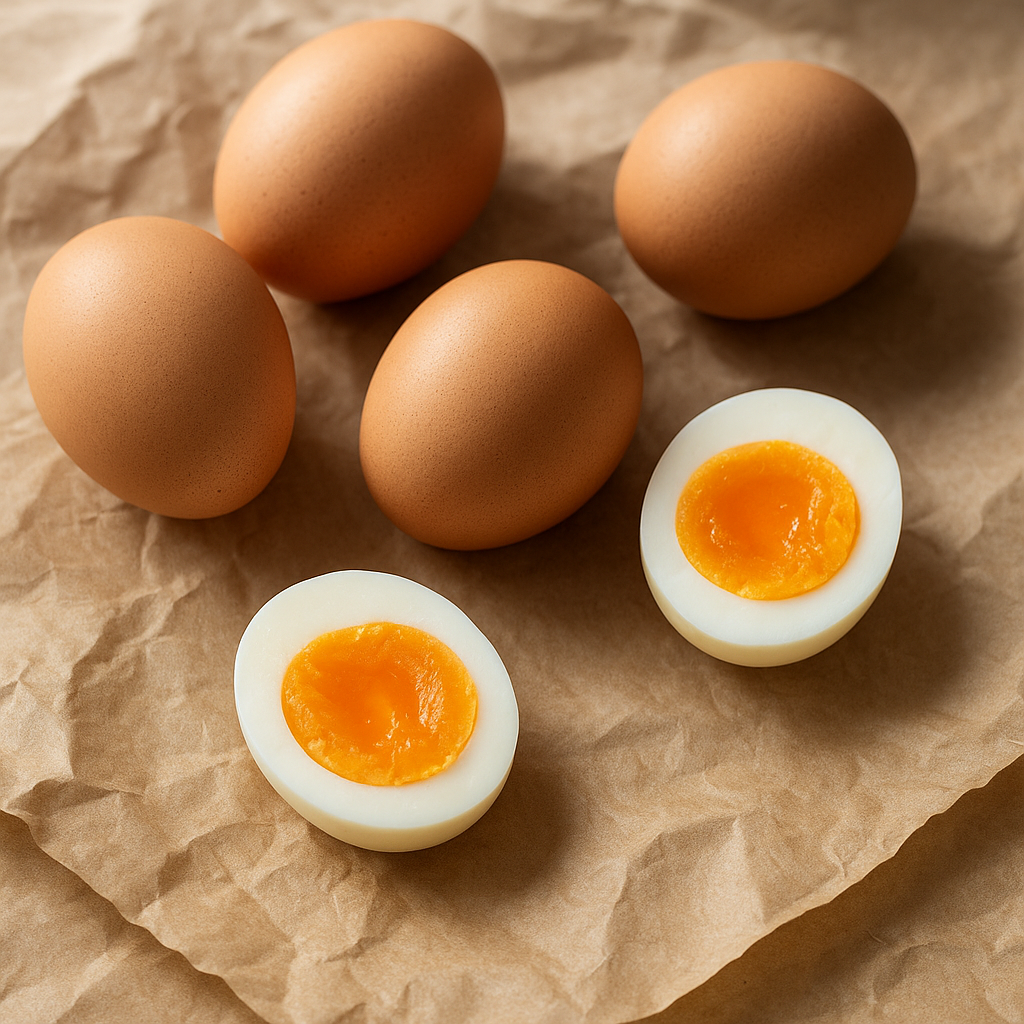
What it is
These are hard-boiled chicken eggs that have been preserved in a brine, often featuring mustard seeds and other spices. The pickling process imbues the eggs with a distinct tangy and savory flavor, while also giving them a firm texture. They are a popular snack and condiment in various cuisines, offering a unique taste experience that differs from fresh eggs. The pickling liquid typically includes vinegar, water, and seasonings, creating a shelf-stable product.
How people cook with it
Pickled mustard eggs can be enjoyed on their own or incorporated into a variety of dishes.
- Snack on them straight from the jar.
- Add to salads for extra flavor.
- Serve alongside charcuterie boards.
- Incorporate into deviled egg recipes.
To enjoy pickled mustard eggs, simply drain them from their pickling liquid. They are ready to eat as a snack, providing a burst of tangy flavor. For a more complex dish, they can be chopped and added to potato salads or green salads, offering a briny counterpoint to creamy or fresh ingredients. They also pair well with cured meats and cheeses on a platter. Some people enjoy them as a unique topping for sandwiches or as a side dish with hearty meals. Their versatility allows for creative culinary applications.
How it differs from similar foods
Unlike fresh eggs, pickled mustard eggs have undergone a preservation process that significantly alters their flavor and texture. The pickling brine introduces a sharp, vinegary taste and a firm, almost chewy consistency. Fresh eggs are delicate and mild, requiring cooking before consumption and offering a neutral base for many dishes.
Who it is for
Home cooks and adventurous eaters who enjoy tangy and savory preserved foods.
How to keep the rest
After opening the jar, it is best to store any remaining pickled mustard eggs in their original brine in the refrigerator. Ensure the eggs are fully submerged in the liquid to maintain their quality and prevent them from drying out. They can typically be kept this way for several weeks.