
Grocery
Multiseed Bread
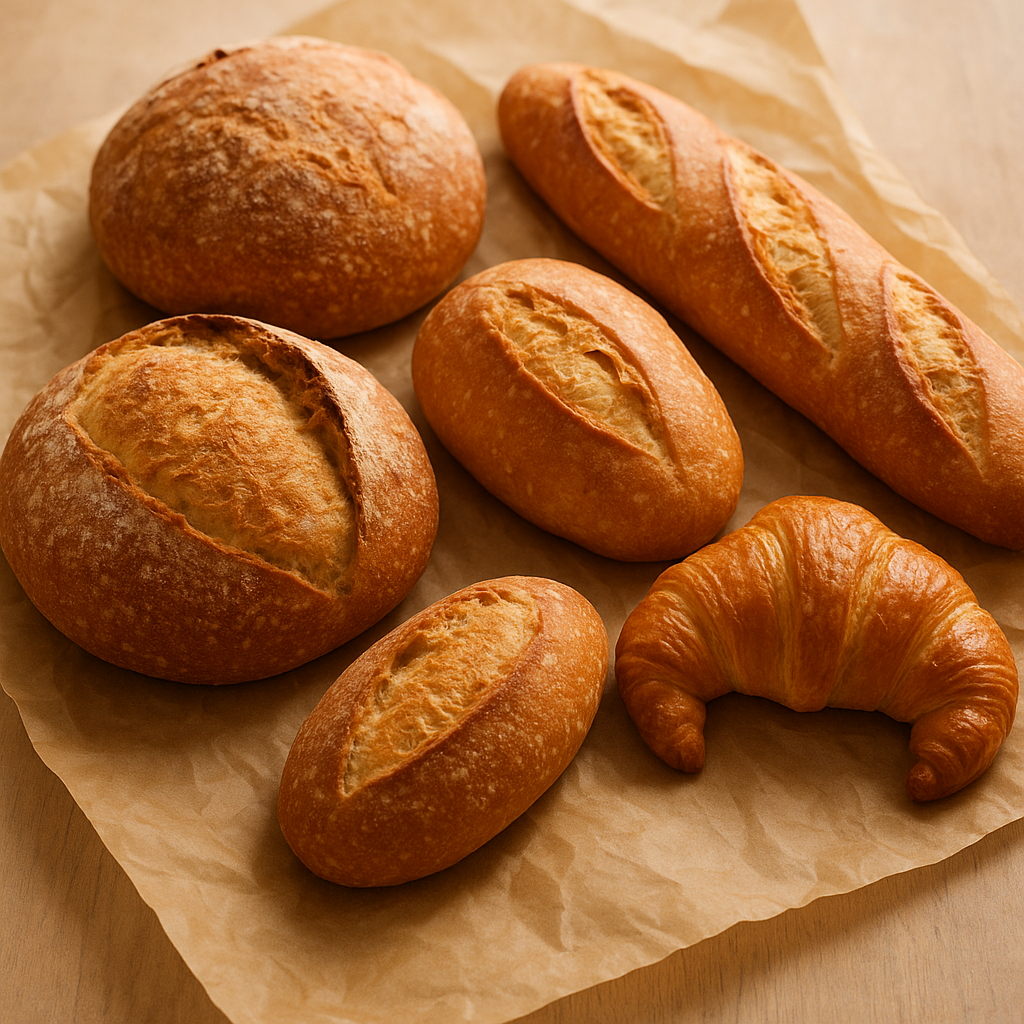
What it is
This is a loaf of bread that contains a variety of seeds baked into its dough. The seeds can include options like sunflower, poppy, flax, and sesame. These additions give the bread a distinct texture and flavor profile. The crust often has seeds visible, and the interior crumb is speckled with them. It is a common choice for those seeking a bread with more character than plain white or whole wheat varieties.
How people cook with it
Multiseed bread is versatile and can be used in many everyday meals. It pairs well with both sweet and savory toppings.
- Sandwiches
- Toast
- Croutons
- Breadcrumbs
Slice the bread for sandwiches, using it as a base for deli meats, cheeses, or vegetables. Toasting slices brings out the nutty flavors of the seeds and provides a pleasant crunch, perfect for breakfast with butter, jam, or avocado. It can also be cubed and baked to create homemade croutons for salads and soups, or processed into crumbs for coating meats and vegetables. The seeds contribute a subtle, earthy taste to whatever dish it is incorporated into.
How it differs from similar foods
Compared to plain white bread, multiseed bread offers a more complex flavor and a chewier texture due to the seeds. Whole wheat multiseed bread will have a denser crumb and a more pronounced whole grain taste than white multiseed bread, with the seeds adding an extra layer of complexity.
Who it is for
Home cooks and families often choose multiseed bread for its texture and flavor variety.
How to keep the rest
To keep the rest of the loaf fresh, store it in its original packaging or a bread box at room temperature. For longer storage, it can be sliced and frozen. Thaw frozen slices at room temperature or toast them directly from frozen.