
Grocery
Versatile Multi Grain Flour Blend
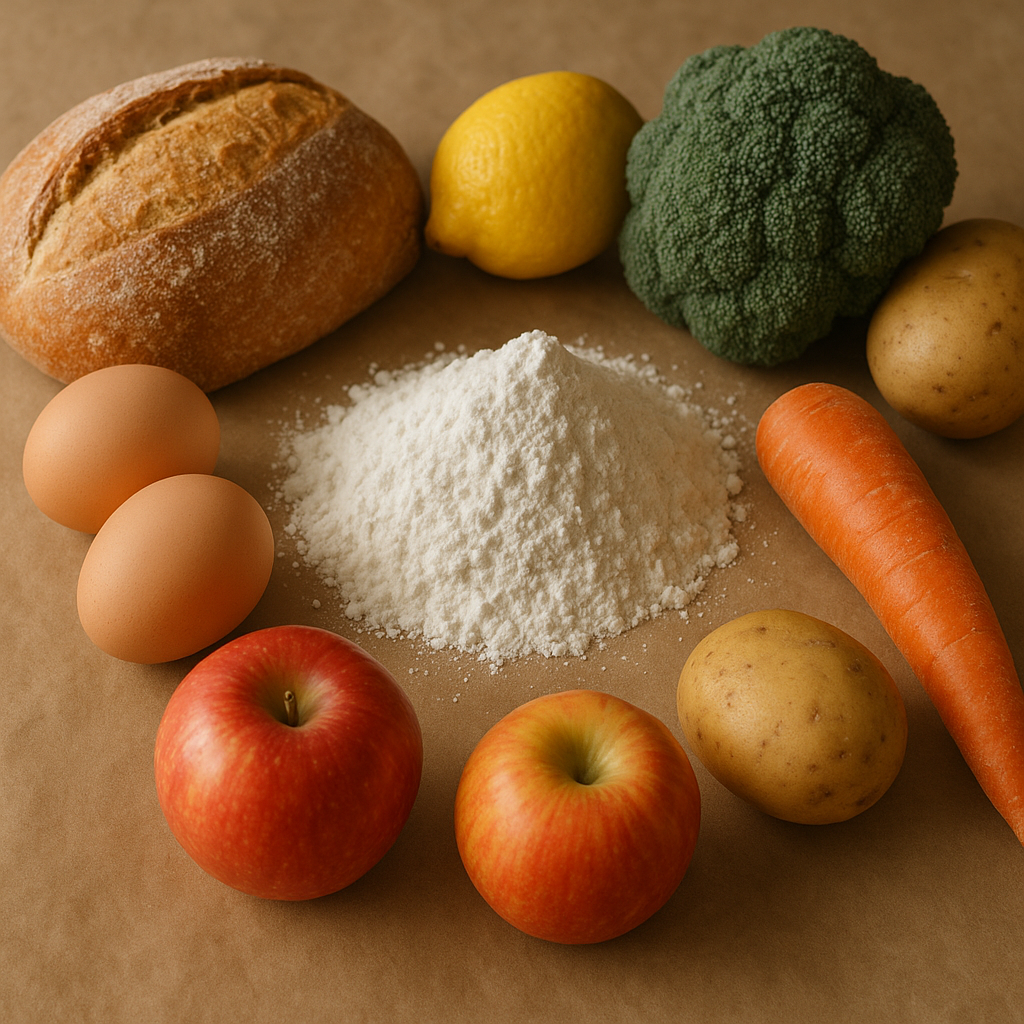
What it is
This is a blend of several different grains, carefully milled together to create a versatile flour. It typically includes wheat, along with other grains like rye, barley, or oats, offering a more complex flavor and texture profile than plain white flour. The combination aims to provide a good balance for various baking applications, making it a popular choice for home bakers seeking a bit more character in their creations. It’s a pantry staple for many who enjoy baking.
How people cook with it
This flour is excellent for both sweet and savory baking projects. It can be used in a wide range of recipes, from everyday breads to delicate pastries.
- Baking breads and rolls
- Making pancakes and waffles
- Creating muffins and scones
- Thickening gravies and sauces
When substituting this multi grain flour for all-purpose flour in a recipe, you might notice a slightly denser texture and a richer flavor. It absorbs liquid a bit differently, so for some recipes, you may need to adjust the amount of liquid slightly. It’s often a direct 1:1 substitution in many baked goods, but experimenting is key to finding your perfect balance. It works wonderfully in yeasted breads, quick breads, and even in cookies for an added depth of flavor. Its robustness makes it suitable for heartier baked goods.
How it differs from similar foods
Compared to standard all-purpose flour, this multi grain blend offers a more robust flavor and a slightly coarser texture due to the inclusion of various grains. It provides a nuttier taste and a more substantial feel in baked goods, moving beyond the neutral profile of refined white flour.
Who it is for
Home bakers looking to enhance the flavor and texture of their baked goods will appreciate this flour.
How to keep the rest
To maintain its freshness, store the multi grain flour in an airtight container in a cool, dry place. This will help prevent moisture absorption and keep it from going stale. For longer storage, you can also keep it in the refrigerator or freezer, especially if you live in a warm or humid climate.