
Grocery
Moroccan Style Pasta Couscous
What it is
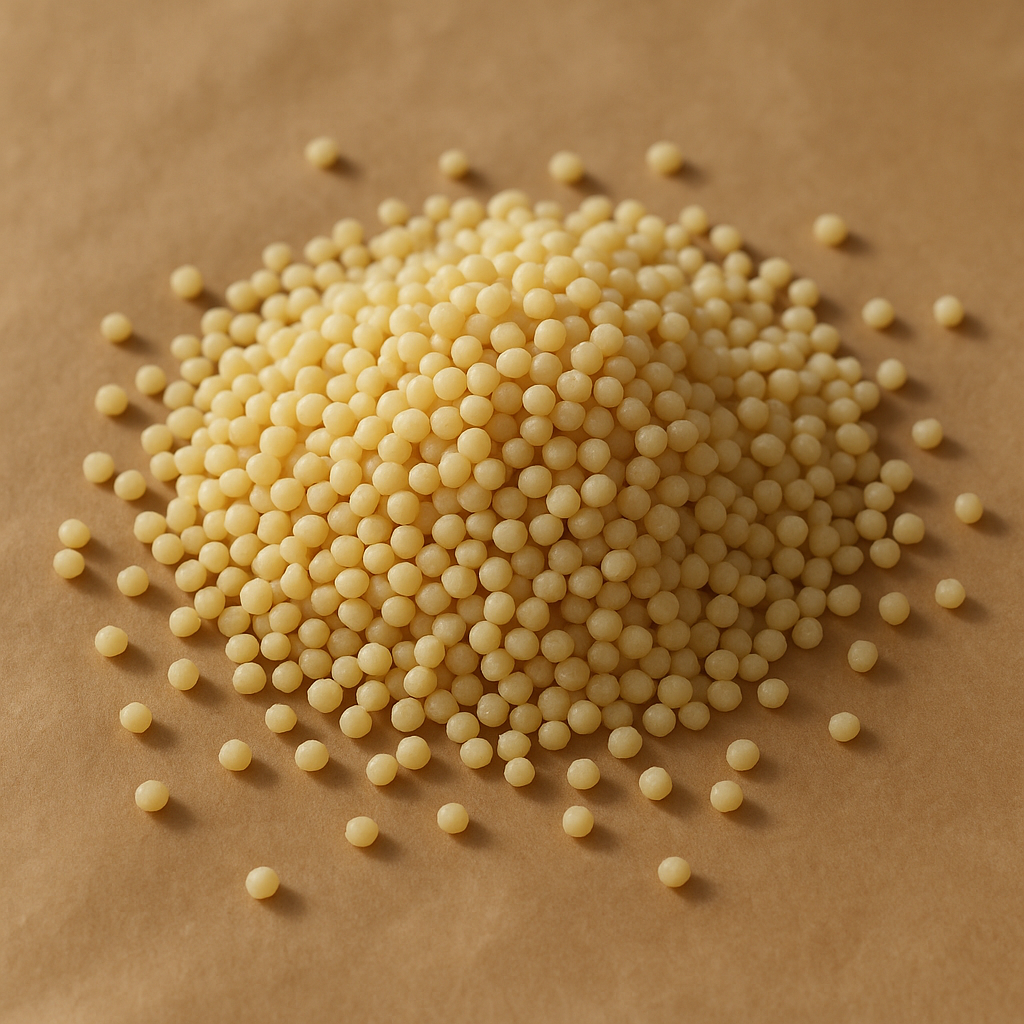
This is a type of pasta made from semolina flour that has been formed into tiny, bead-like shapes. It is a staple in North African cuisine, particularly in Morocco. The small size of the grains allows them to cook very quickly. This product is often flavored with spices that are characteristic of Moroccan cooking, such as cumin, coriander, and turmeric, giving it a warm and aromatic profile. It is a versatile base for many dishes.
How people cook with it
This couscous is a convenient and flavorful addition to a variety of meals. It serves as an excellent base for both main courses and side dishes.
- As a side dish
- In salads
- As a base for stews
- In grain bowls
To prepare this couscous, you typically combine it with boiling liquid, such as water or broth, and a bit of oil or butter. The ratio of liquid to couscous is important for achieving the right texture. Once the liquid is added, the couscous is usually covered and allowed to steam for a few minutes until the liquid is absorbed and the grains are tender. It is then fluffed with a fork to separate the individual grains. The pre-seasoned nature of this variety means it already carries a depth of flavor.
How it differs from similar foods
Unlike traditional pasta shapes that require boiling in water for extended periods, this couscous cooks in minutes through absorption and steaming. Its small, granular texture also sets it apart from larger pasta forms, making it lighter and quicker to digest. The inherent Moroccan seasoning distinguishes it from plain couscous.
Who it is for
Home cooks looking for quick and flavorful meal components often reach for this product.
How to keep the rest
To maintain its freshness, store the uncooked couscous in its original packaging in a cool, dry place. Ensure the package is sealed tightly after opening to prevent moisture absorption and pest infestation. Properly stored, it can last for a considerable amount of time.