
Grocery
Milk Chocolate Bars
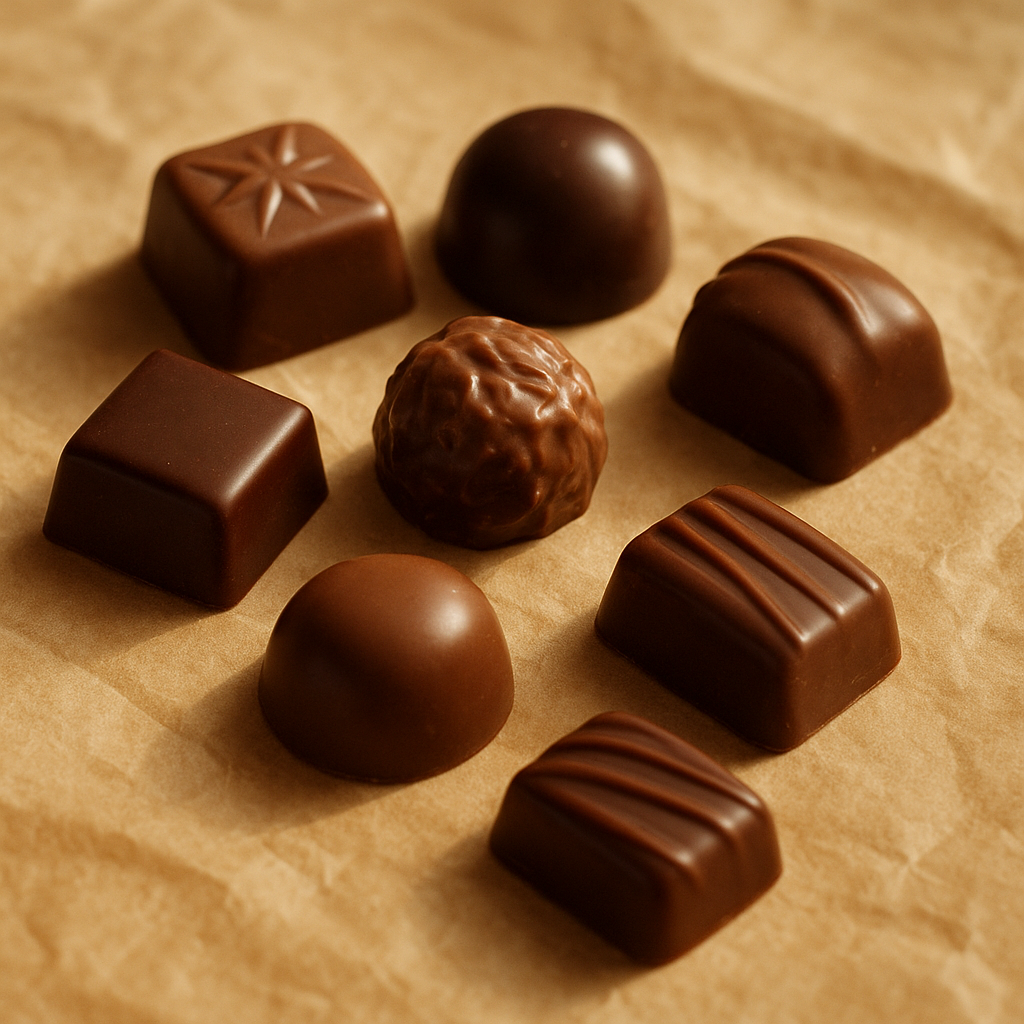
What it is
These are sweet confection bars made primarily from cocoa solids, cocoa butter, and milk solids. The combination creates a smooth texture and a familiar, creamy chocolate flavor that is less intense than dark chocolate. They are often enjoyed as a simple treat or used in various dessert preparations. The specific blend of ingredients determines the final taste and meltability.
How people cook with it
Milk chocolate is a versatile ingredient in the kitchen. It can be melted for dipping or drizzling, chopped for baking, or enjoyed straight from the wrapper.
- Melting for fondue
- Chopping for cookies
- Dipping fruit
- Snacking
When melting milk chocolate, it is important to do so gently to avoid scorching. A double boiler method or careful microwaving in short intervals works best. Once melted and smooth, it can be used to coat candies, fruits, or nuts. For baking, chopped milk chocolate can be folded into cookie dough, cake batter, or brownie mixes. The heat of baking will melt the pieces, creating pockets of rich chocolate throughout the finished product. It can also be used as a topping for ice cream or other desserts.
How it differs from similar foods
Compared to dark chocolate, milk chocolate typically contains more sugar and milk solids, resulting in a sweeter taste and a creamier texture. It has a lower percentage of cocoa solids, making its chocolate flavor less pronounced and more mellow. White chocolate, on the other hand, contains no cocoa solids, only cocoa butter, sugar, and milk.
Who it is for
Home bakers and confectioners often reach for milk chocolate for its approachable flavor and ease of use in sweet creations.
How to keep the rest
To keep leftover milk chocolate fresh, store it in a cool, dry place away from direct sunlight and strong odors. Wrap it tightly in its original packaging or an airtight container. Avoid refrigerating, as this can cause condensation and affect its texture, leading to a dull appearance or bloom.