
Grocery
Milk Chocolate Bar
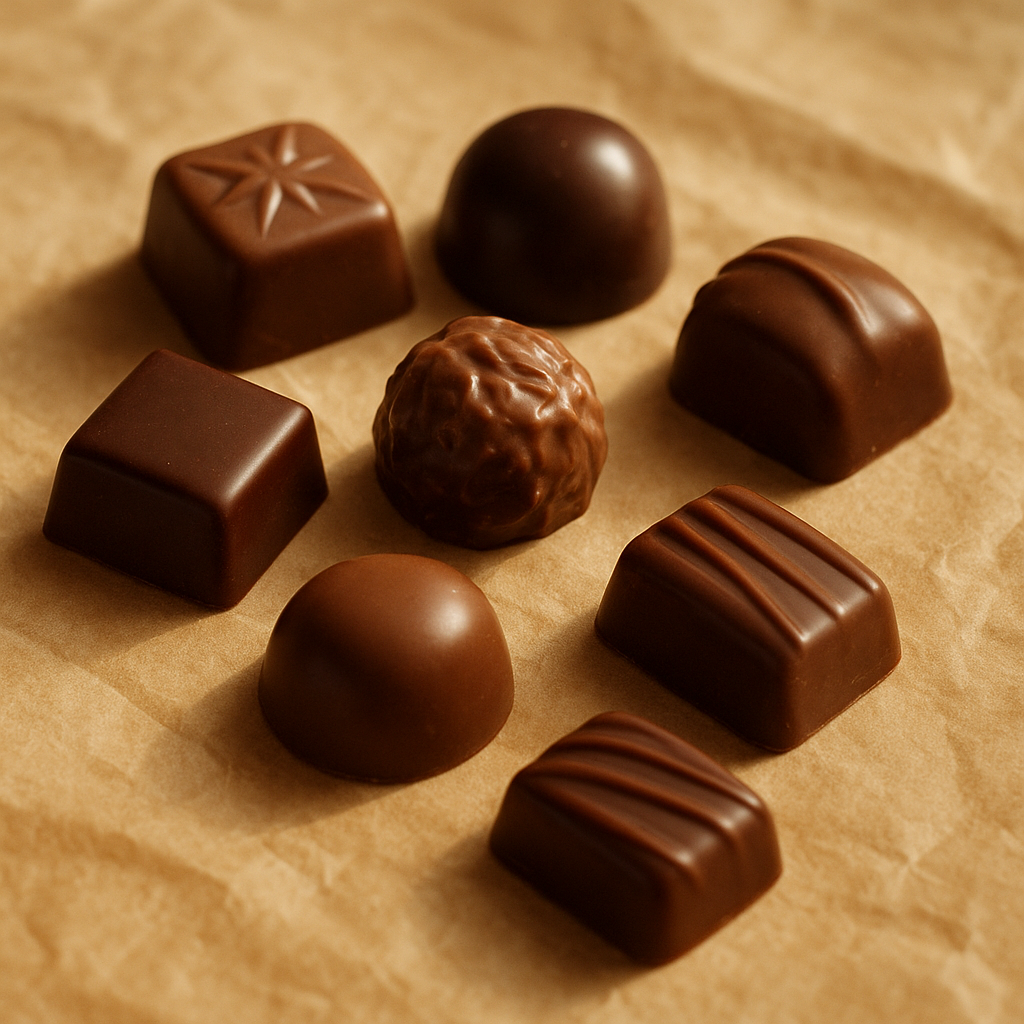
What it is
This is a bar of milk chocolate, a confection made from cocoa solids, cocoa butter, and milk solids. It offers a sweet and creamy flavor profile. The presence of milk solids contributes to its smoother texture and milder taste compared to dark chocolate. It is typically enjoyed as a standalone treat or incorporated into various desserts and baked goods. The balance of sweetness and cocoa makes it a popular choice for many.
How people cook with it
Milk chocolate is a versatile ingredient in the kitchen. It can be melted for dipping or drizzling, chopped for baking, or simply enjoyed as is.
- Melted for dipping
- Chopped for cookies
- Shaved for toppings
- Eaten as a snack
To melt milk chocolate, it is best to do so gently to avoid scorching. You can place chopped chocolate in a heatproof bowl set over a pot of simmering water, stirring until smooth. Alternatively, microwave it in short intervals, stirring between each, until fully melted. Once melted, it can be used to coat fruits, nuts, or cookies. For baking, chop the chocolate into desired sizes and fold it into batters or doughs. The melting point is lower than some other chocolates, so handle with care.
How it differs from similar foods
Milk chocolate differs from dark chocolate primarily due to the addition of milk solids and a higher sugar content. This results in a sweeter, creamier taste and a lighter brown color. It also typically contains less cocoa solids than dark chocolate, leading to a less intense cocoa flavor.
Who it is for
Home bakers and dessert enthusiasts often use milk chocolate in their creations.
How to keep the rest
To store leftover milk chocolate, wrap it tightly in its original packaging or plastic wrap and keep it in a cool, dry place away from direct sunlight and strong odors. Avoid refrigerating it, as this can cause it to develop a white bloom and alter its texture. Ensure it is sealed to maintain freshness.