
Grocery
Pork Shoulder Roast
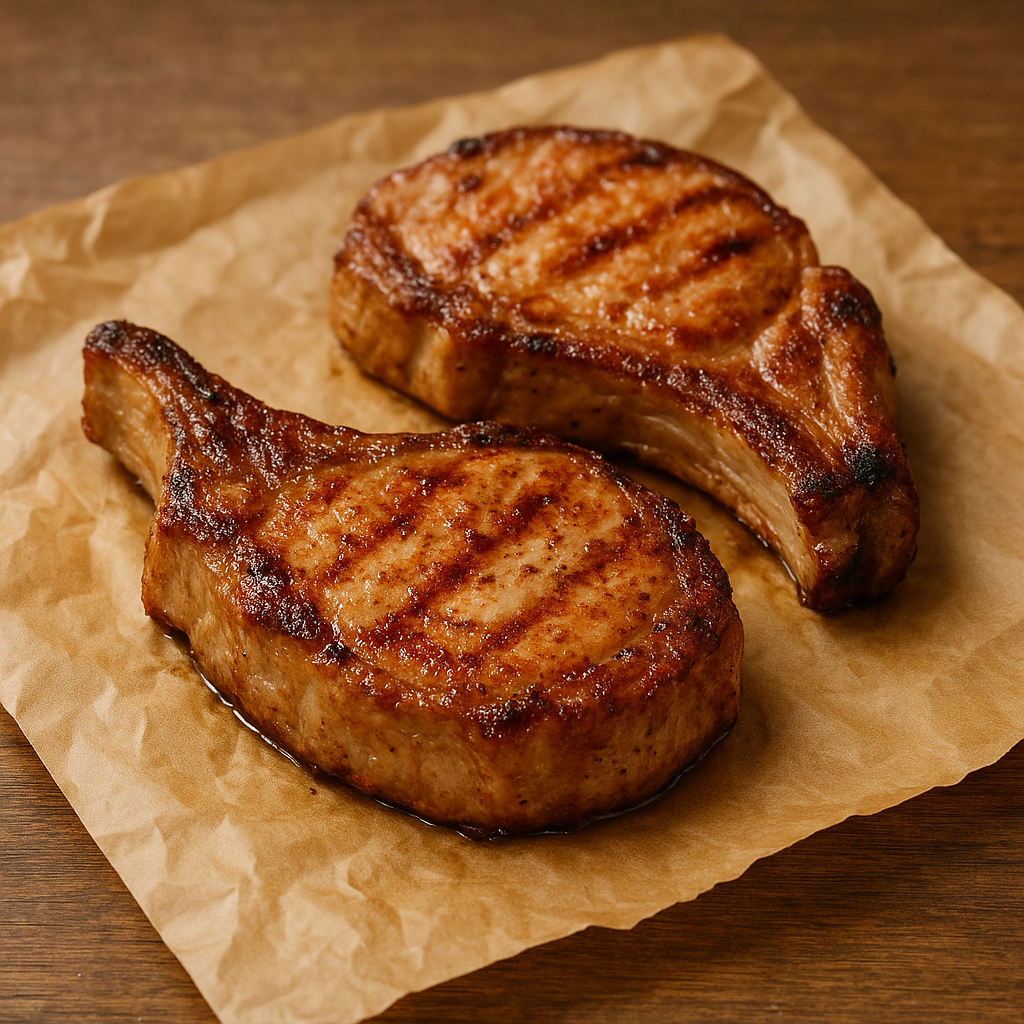
What it is
This is a cut of pork that comes from the shoulder of the pig. It is known for its rich marbling and connective tissues, which break down during slow cooking to create a tender and flavorful result. The meat is typically sold bone-in or boneless, and its natural fat content makes it well-suited for various cooking methods that require longer cooking times.
How people cook with it
Pork shoulder is a versatile cut that shines when cooked low and slow. It is excellent for dishes where the meat is meant to become fork-tender and easily shreddable.
- Pulled pork sandwiches
- Slow-cooked stews
- Roasts for family meals
- Braised pork dishes
To prepare pork shoulder, it is often seasoned generously with salt, pepper, and other spices. It can then be slow-cooked in an oven, a slow cooker, or even smoked. The low temperature and extended cooking time allow the tough connective tissues to dissolve, resulting in incredibly tender meat. For pulled pork, the cooked meat is then shredded and often tossed with barbecue sauce. It can also be cut into chunks for stews or braised in liquid.
How it differs from similar foods
Compared to leaner cuts like pork loin, pork shoulder has a higher fat content and more connective tissue. This makes it less prone to drying out during long cooking processes and contributes to a richer, more succulent texture and deeper flavor when cooked properly.
Who it is for
Home cooks looking to prepare hearty and flavorful pork dishes will find this cut ideal.
How to keep the rest
After cooking, allow any leftover pork shoulder to cool completely before storing it in an airtight container in the refrigerator. It can be kept for up to 3-4 days. For longer storage, it can be frozen in portioned amounts.