
Grocery
Whole Wheat Flour
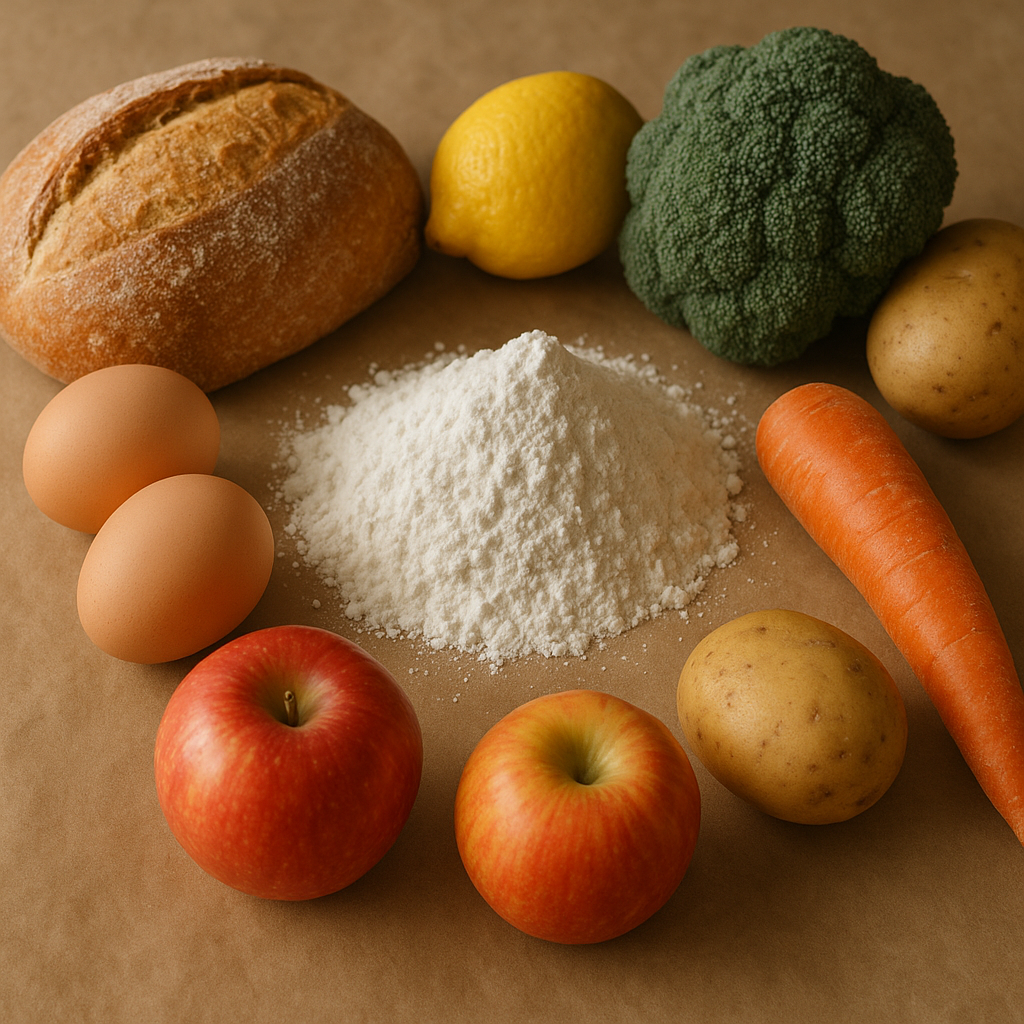
What it is
This is finely ground whole wheat flour, made from the entire wheat kernel. It includes the bran, germ, and endosperm, which contribute to its hearty texture and nutty flavor. Whole wheat flour is a staple in many kitchens for its versatility and wholesome qualities. It is a good choice for those seeking a more substantial flour option in their baking.
How people cook with it
People use whole wheat flour in a variety of baked goods and everyday cooking. Its distinct characteristics offer different results compared to refined flours.
- Baking bread
- Making pancakes
- Thickening sauces
- Creating muffins
When baking with whole wheat flour, you can often substitute it for all-purpose flour, though adjustments might be needed. It tends to absorb more liquid, so you may need to add a bit more moisture to your dough or batter. For yeast breads, it can create a denser loaf with a richer taste. In quick breads and muffins, it adds a pleasing chewiness and a wholesome flavor profile. It can also be used to add body to gravies and sauces, providing a slightly darker hue and a more complex taste.
How it differs from similar foods
Unlike refined all-purpose flour, whole wheat flour retains the bran and germ. This means it has a coarser texture and a more robust, earthy flavor. It also tends to be heavier and can result in denser baked goods.
Who it is for
Home bakers and cooks who appreciate whole grains often choose this flour for its flavor and texture.
How to keep the rest
To keep the rest of your whole wheat flour fresh, store it in an airtight container in a cool, dry place. Because of its natural oils, it can go rancid more quickly than refined flour. For longer storage, consider keeping it in the refrigerator or freezer.