
Grocery
Fresh Brown Eggs
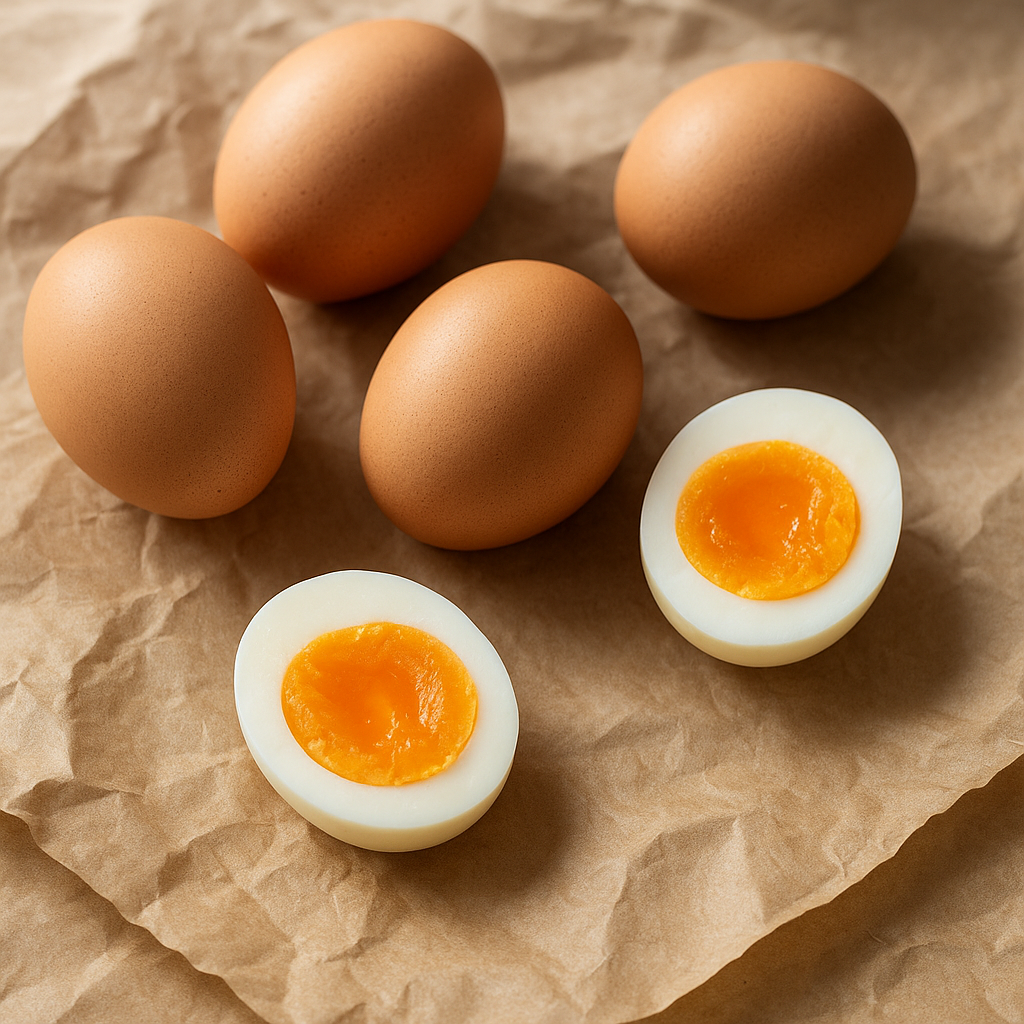
What it is
These are fresh eggs laid by hens. The brown color of the shell comes from the breed of the hen. Inside, the egg is composed of a yolk and albumen, commonly known as the egg white. Eggs are a versatile ingredient used in many culinary applications.
How people cook with it
Eggs are a staple in kitchens worldwide. They can be prepared in numerous ways or used as a binding agent and leavening in baked goods.
- Scrambled for breakfast
- Fried for sandwiches
- Baked into cakes
- Used in custards
Eggs can be cooked by frying, scrambling, poaching, or boiling. For frying, heat a little oil or butter in a pan and cook until the whites are set and the yolk is to your preference. Scrambling involves whisking eggs with a splash of milk or water and cooking them gently in a pan, stirring occasionally. Boiling eggs requires placing them in cold water, bringing to a boil, and then simmering for a set time depending on desired firmness. They are also crucial for creating emulsifications like mayonnaise or hollandaise sauce.
How it differs from similar foods
Brown eggs and white eggs are nutritionally the same. The difference in shell color is purely genetic, determined by the breed of the hen. Some consumers prefer brown eggs due to perceived differences in taste or texture, though these are generally not scientifically supported and can vary based on hen diet and freshness.
Who it is for
Home cooks and professional chefs alike rely on eggs for their everyday cooking and baking needs.
How to keep the rest
To keep the rest of the eggs fresh, store them in their original carton in the refrigerator. The carton helps protect the eggs from absorbing odors and prevents them from cracking. Ensure they are kept away from raw meats to avoid cross-contamination. They should be consumed within a few weeks of purchase for optimal quality.