
Grocery
Classic Creamy Mayonnaise
What it is
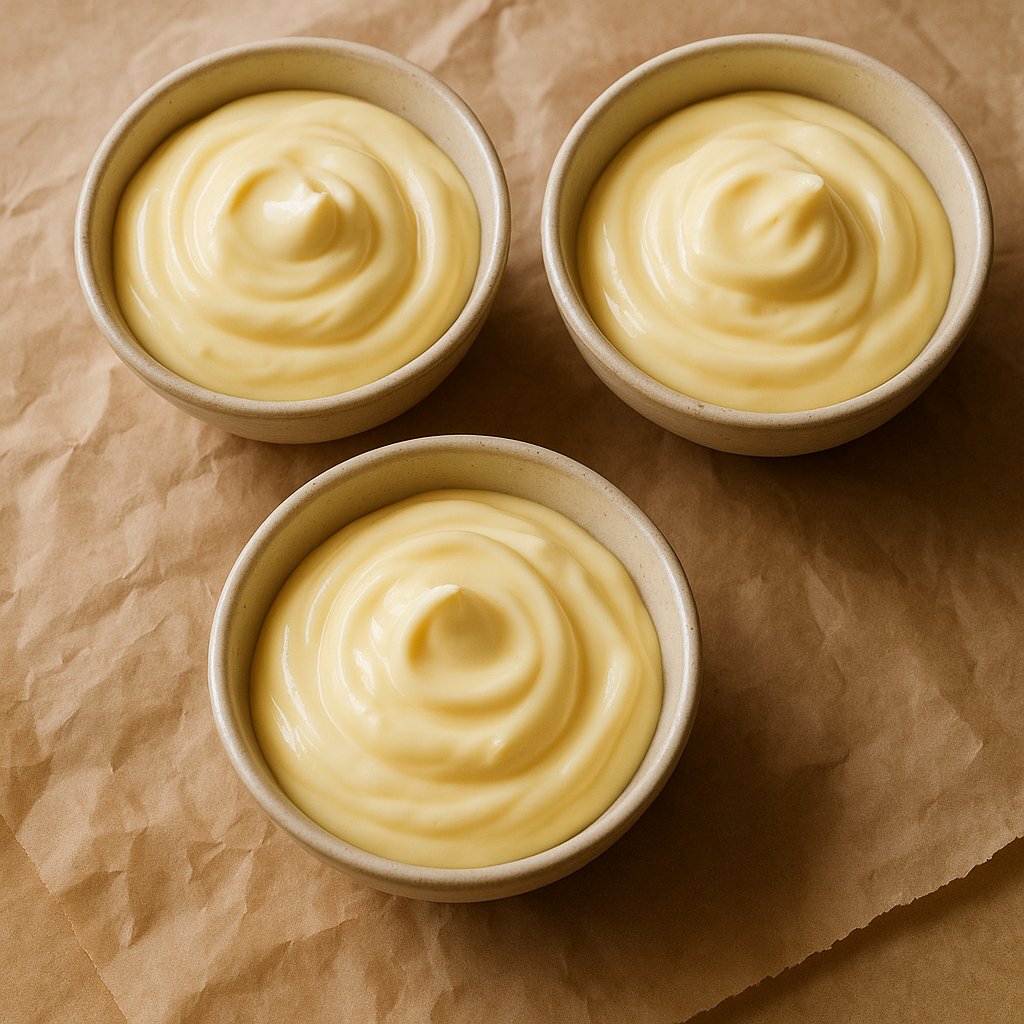
This is a smooth, emulsified sauce made from oil, egg yolks, and an acid, typically vinegar or lemon juice. It has a rich, creamy texture and a mild, tangy flavor. Its versatility makes it a staple in many kitchens, providing a base for countless dishes and a flavorful addition to sandwiches and salads. The careful balance of ingredients creates its signature consistency and taste.
How people cook with it
Mayonnaise is a foundational ingredient in many cold dishes and a popular spread. It can also be used as a binder or a base for other sauces.
- Sandwich spread
- Salad dressing base
- Dip for vegetables
- Binder for tuna salad
Mayonnaise is commonly used directly from the jar as a spread on sandwiches and burgers, adding moisture and a creamy flavor. It serves as the primary ingredient in many classic salads, such as potato salad, chicken salad, and coleslaw, where it binds the other components together. It can also be whisked into vinaigrettes to create richer, more stable dressings or used as a base for dips and sauces, often enhanced with herbs, spices, or other flavorings. Its smooth texture makes it ideal for coating ingredients.
How it differs from similar foods
Compared to other creamy condiments like sour cream or Greek yogurt, mayonnaise offers a richer, more stable emulsion due to its oil and egg yolk base. Its flavor profile is distinctively tangy and savory, whereas sour cream is more lactic and yogurt can be more acidic. This difference in composition affects how it holds up in various applications and its overall taste.
Who it is for
Home cooks and professional chefs alike rely on mayonnaise for its widespread culinary applications.
How to keep the rest
After opening, store the mayonnaise in its original container in the refrigerator. Ensure the lid is tightly sealed to prevent spoilage and maintain its creamy texture and fresh flavor. It is best to consume it within the recommended timeframe after opening to ensure optimal quality.