
Grocery
Creamy Mayonnaise
What it is
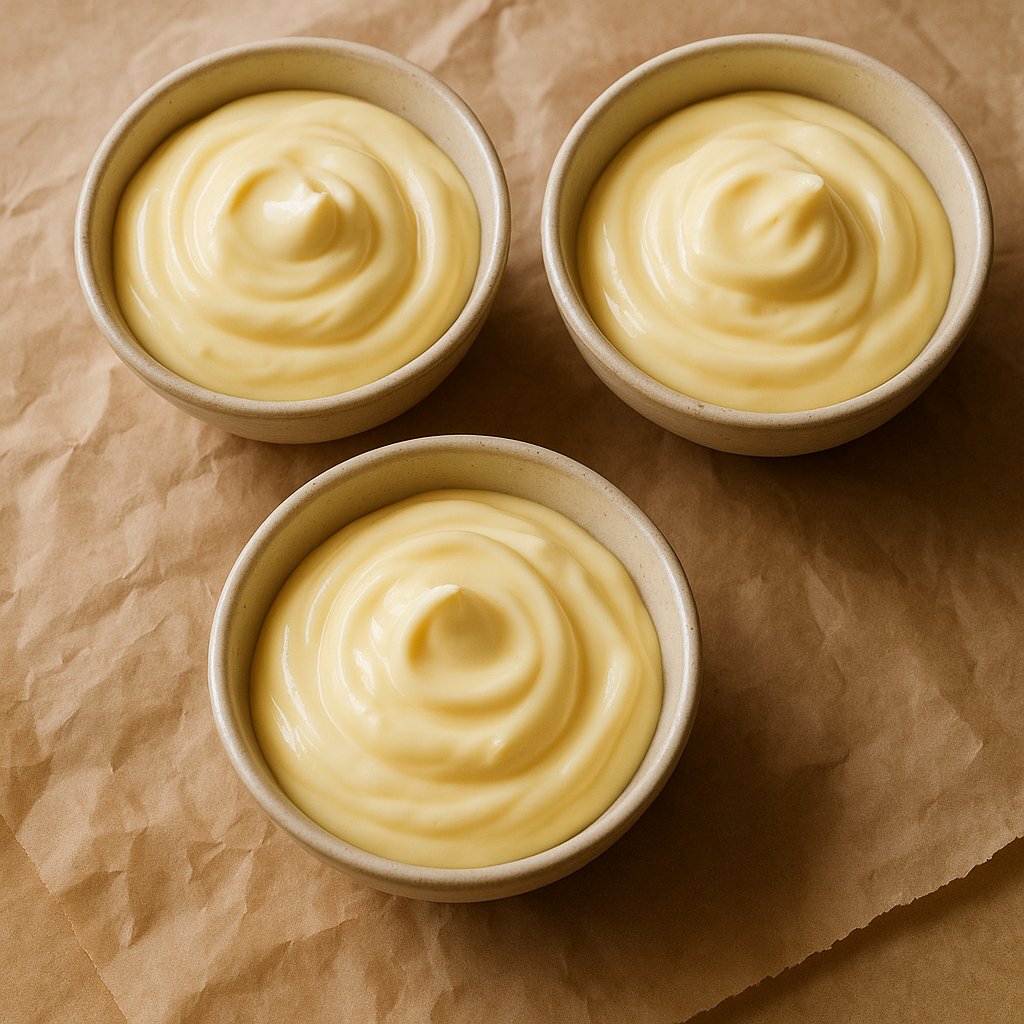
This is a smooth, creamy condiment made primarily from oil, egg yolks, and an acid like vinegar or lemon juice. It has a rich, emulsified texture that makes it a versatile ingredient in many dishes. The specific flavor profile can vary slightly depending on the manufacturer's blend of ingredients and processing methods. It is a staple in many kitchens for its ability to bind ingredients and add a luxurious mouthfeel. It is often found in the refrigerated section of grocery stores.
How people cook with it
Mayonnaise is a foundational element for many classic dishes and a popular spread for sandwiches and wraps.
- Sandwich spread
- Salad dressing base
- Dip for vegetables
- Binder for casseroles
You can use mayonnaise straight from the jar as a spread on bread for sandwiches and burgers. It is also the base for many cold salads, such as tuna salad, chicken salad, and potato salad, where it coats and binds the other ingredients. For a quick dip, mix it with herbs or spices. It can also be incorporated into baked dishes to add moisture and richness. When making a vinaigrette, mayonnaise can be whisked in to create a creamy, emulsified dressing.
How it differs from similar foods
Compared to other creamy condiments, mayonnaise typically has a richer, more neutral flavor profile due to its oil and egg base. Some other spreads might be tangier, sweeter, or have a more pronounced spice blend. The texture is generally smoother and more consistent than homemade versions that might separate.
Who it is for
Home cooks and professional chefs alike use mayonnaise for its versatility and classic taste.
How to keep the rest
After opening, keep the mayonnaise refrigerated to maintain its freshness and prevent spoilage. Ensure the lid is tightly sealed to prevent air exposure, which can affect the texture and flavor. It is best to consume it within the recommended timeframe after opening, usually indicated on the packaging.