
El Mexicano
El Mexicano Salvadorena Sour Cream
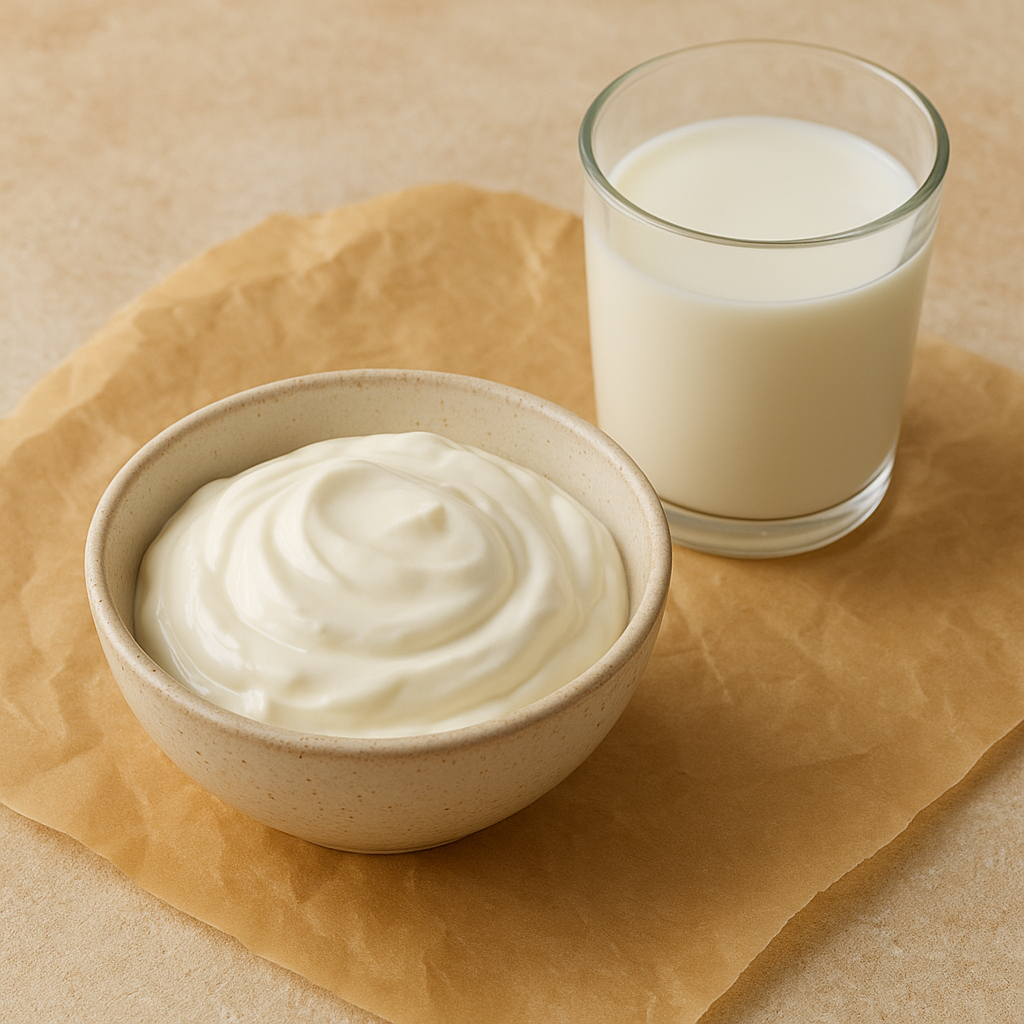
What it is
This is a cultured dairy product made from cream. It has a tangy flavor and a smooth, thick texture. The process involves adding specific bacterial cultures to pasteurized cream, which ferment the lactose into lactic acid. This fermentation gives the sour cream its characteristic sour taste and helps to thicken it. It is a versatile ingredient used in many culinary applications.
How people cook with it
Sour cream is a staple in many kitchens, adding richness and a touch of acidity to both sweet and savory dishes.
- Topping for tacos
- Base for dips
- Ingredient in baked goods
- Sauce thickener
Sour cream can be used in numerous ways. It's commonly dolloped on top of chili, baked potatoes, or enchiladas to provide a cooling contrast to spicy flavors. It also serves as a fantastic base for homemade dips and salad dressings, blending well with herbs and spices. In baking, it contributes moisture and tenderness to cakes, muffins, and quick breads. When making sauces, it can be stirred in at the end of cooking to add creaminess and a subtle tang, though it should not be boiled vigorously as it may curdle.
How it differs from similar foods
Compared to regular cream, this sour cream has undergone fermentation, giving it a distinct tangy flavor and a thicker consistency. It is less rich than heavy cream but offers a more pronounced acidity than crème fraîche, making it ideal for specific flavor profiles.
Who it is for
Home cooks and professional chefs alike use sour cream to enhance the flavor and texture of their dishes.
How to keep the rest
After opening, keep any unused sour cream tightly covered in the refrigerator. It is best to consume it within the recommended timeframe to maintain its freshness and quality. Avoid leaving it at room temperature for extended periods.