
Grocery
Margarine Spread
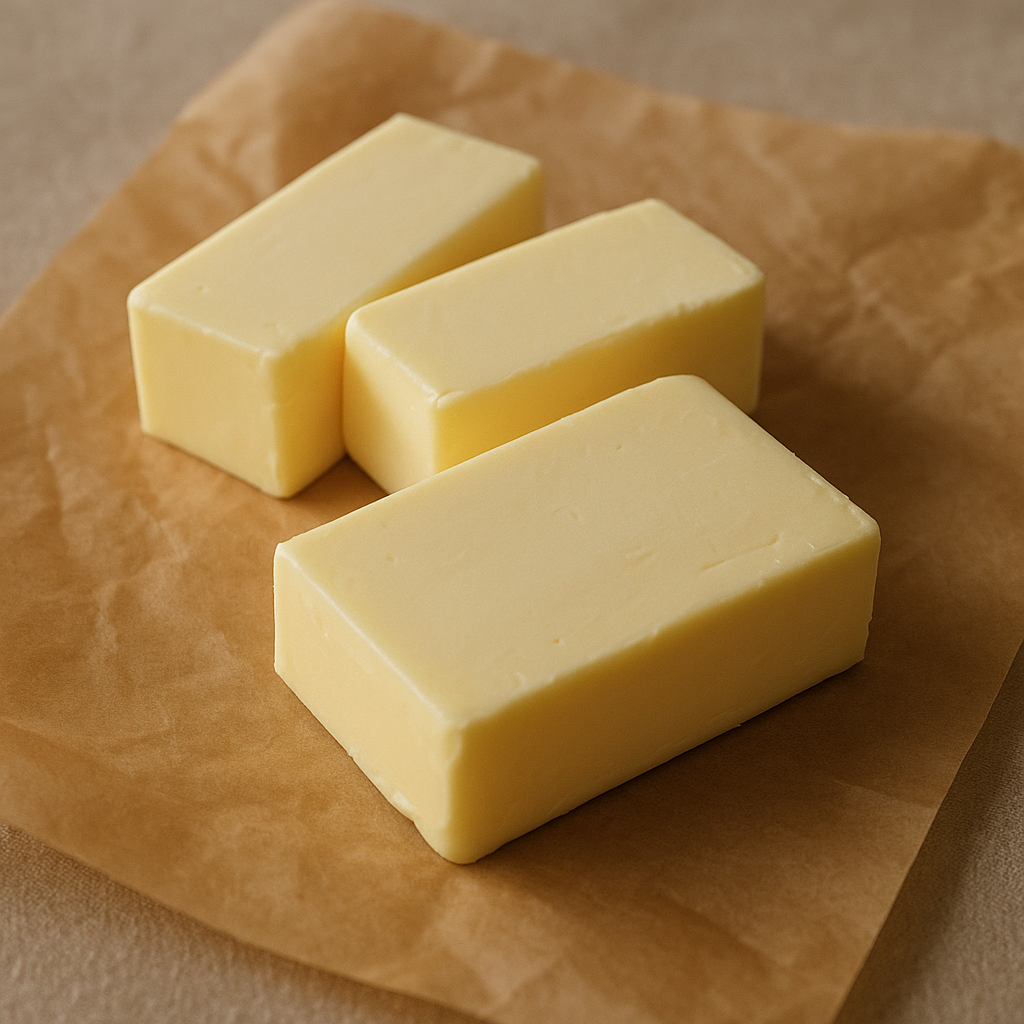
What it is
Margarine is a butter substitute made primarily from vegetable oils. It is often formulated to mimic the taste, texture, and performance of butter in cooking and baking. It can be found in various forms, including sticks and tubs, with different fat contents and flavor profiles. The specific blend of oils and other ingredients determines its spreadability and how it behaves when heated.
How people cook with it
This versatile spread is a staple in many kitchens, used for a wide range of culinary applications.
- Spreading on toast
- Baking cakes
- Sautéing vegetables
- Making frosting
Margarine can be used directly from the container as a spread for bread, toast, or muffins. For baking, it can often be substituted for butter in recipes, though the results may vary slightly depending on the margarine's composition. It melts when heated, making it suitable for sautéing, pan-frying, and as a base for sauces and gravies. Its creamy texture also makes it ideal for creating smooth frostings and icings.
How it differs from similar foods
Unlike butter, which is derived from dairy cream, margarine is plant-based. This difference can affect its flavor, browning characteristics, and how it performs in certain recipes. Some margarines are formulated for specific uses, such as baking sticks that are firmer than tub margarines.
Who it is for
Home cooks and bakers frequently choose margarine for its accessibility and adaptability in everyday cooking.
How to keep the rest
Unopened margarine can typically be stored at room temperature for a period, but once opened, it is best kept refrigerated to maintain its freshness and texture. Check the packaging for specific storage recommendations. Refrigeration helps prevent it from becoming too soft or rancid.