
Grocery
Margarine Spread
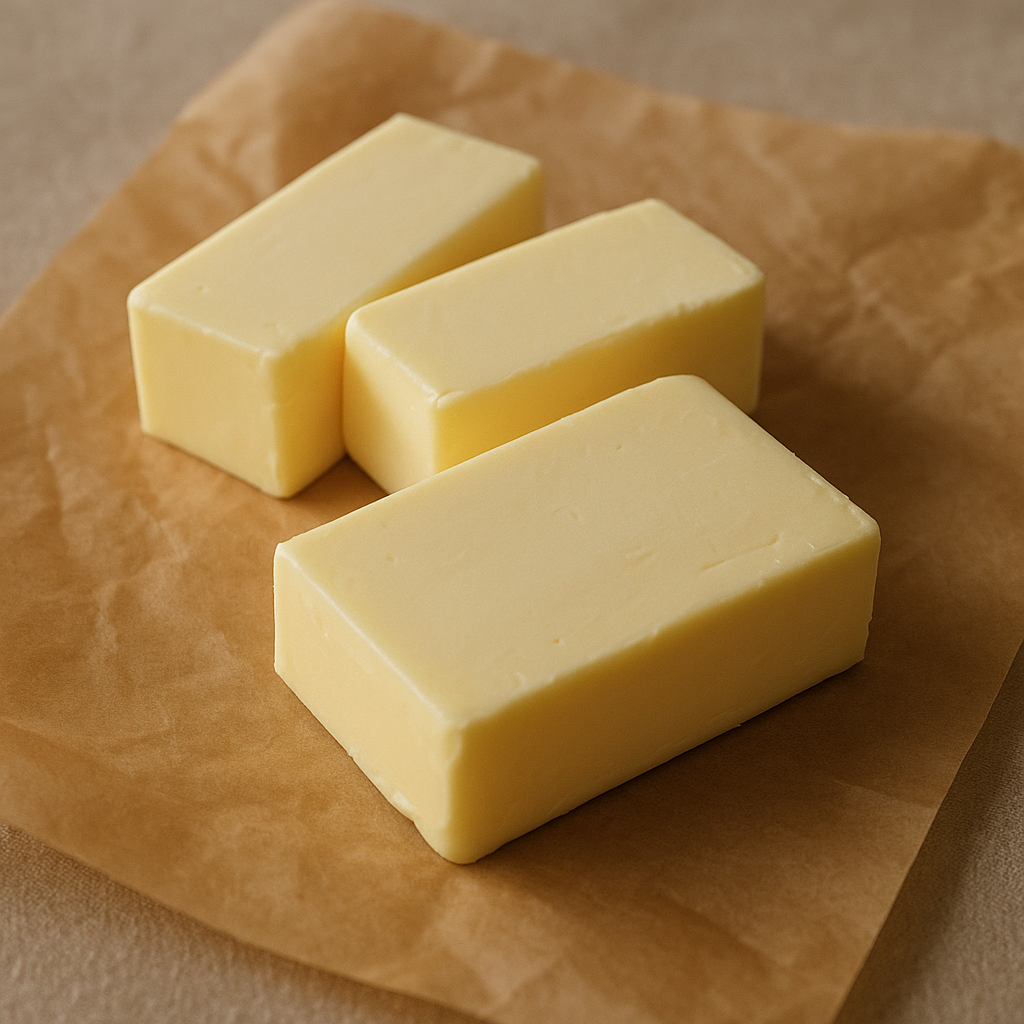
What it is
Margarine is a butter substitute made from vegetable oils. It is often blended with water, milk solids, and emulsifiers to achieve a texture and flavor similar to butter. This spreadable fat is a common pantry staple for many households. It is typically sold in tubs or sticks, making it easy to measure and use in various culinary applications. The specific blend of oils can vary, influencing its firmness and melting point.
How people cook with it
This versatile ingredient is used in both sweet and savory cooking. It can be spread directly onto foods or incorporated into recipes.
- Spreading on toast
- Baking cookies
- Sautéing vegetables
- Making frosting
Margarine can be used in place of butter in most recipes. For baking, it can be creamed with sugar to create a light and airy texture in cakes and cookies. When sautéing, it provides a good base for cooking vegetables and meats, adding richness to the dish. It melts easily, making it suitable for sauces and glazes. For simple applications like spreading, it offers a convenient option for breakfast or snacks. Its consistency allows for easy incorporation into doughs and batters.
How it differs from similar foods
Unlike butter, which is made from dairy cream, margarine is derived from plant-based oils. This difference in origin can affect its flavor profile and how it behaves when heated. Margarine often has a lower melting point than butter, which can be beneficial in certain baking applications for achieving a tender crumb.
Who it is for
Home cooks and bakers frequently reach for margarine for its accessibility and adaptability in the kitchen.
How to keep the rest
To maintain its quality, store any remaining margarine in its original container in the refrigerator. Ensure the lid is tightly sealed to prevent it from absorbing odors from other foods. Proper refrigeration helps preserve its texture and prevent spoilage.