
Grocery
Margarine Spread
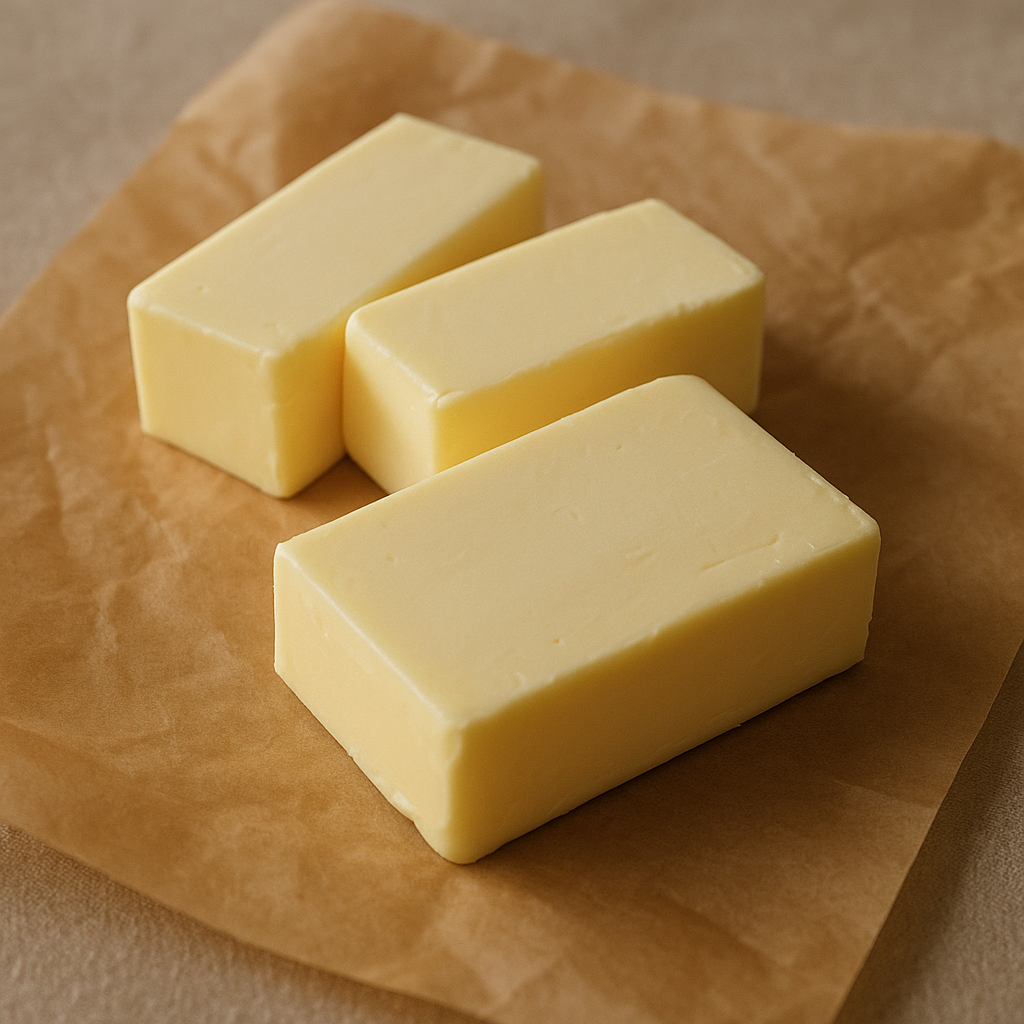
What it is
Margarine is a butter substitute made from vegetable oils. It is typically a blend of oils, water, and emulsifiers, often with added color and flavorings to resemble butter. It comes in various forms, including sticks and tubs, each designed for different culinary applications. The specific oil composition can influence its texture and performance in cooking and baking.
How people cook with it
Margarine is a versatile ingredient used in many kitchen preparations. It can be used directly as a spread or incorporated into recipes.
- Spreading on toast
- Baking cakes
- Sautéing vegetables
- Making frosting
Margarine can be used in place of butter in most recipes. For baking, it can be creamed with sugar to create a light and airy texture in cookies and cakes. When sautéing, it provides a good base for cooking vegetables and meats, adding richness to dishes. It melts easily and can be used to moisten baked goods or as a finishing touch on steamed vegetables. Its spreadable nature makes it convenient for everyday use.
How it differs from similar foods
Unlike butter, which is made from dairy cream, margarine is derived from plant-based oils. This difference in origin affects its fat profile and how it behaves when heated or chilled. Some margarines are formulated to be softer at room temperature than butter, making them easier to spread directly from the refrigerator.
Who it is for
Home cooks and bakers frequently choose margarine for its accessibility and adaptability in a wide range of dishes.
How to keep the rest
To maintain its quality, store any unused margarine in its original container in the refrigerator. Ensure the lid is sealed tightly to prevent it from absorbing odors from other foods. Proper storage will help preserve its texture and flavor for future use.