
Grocery
Margarine Spread
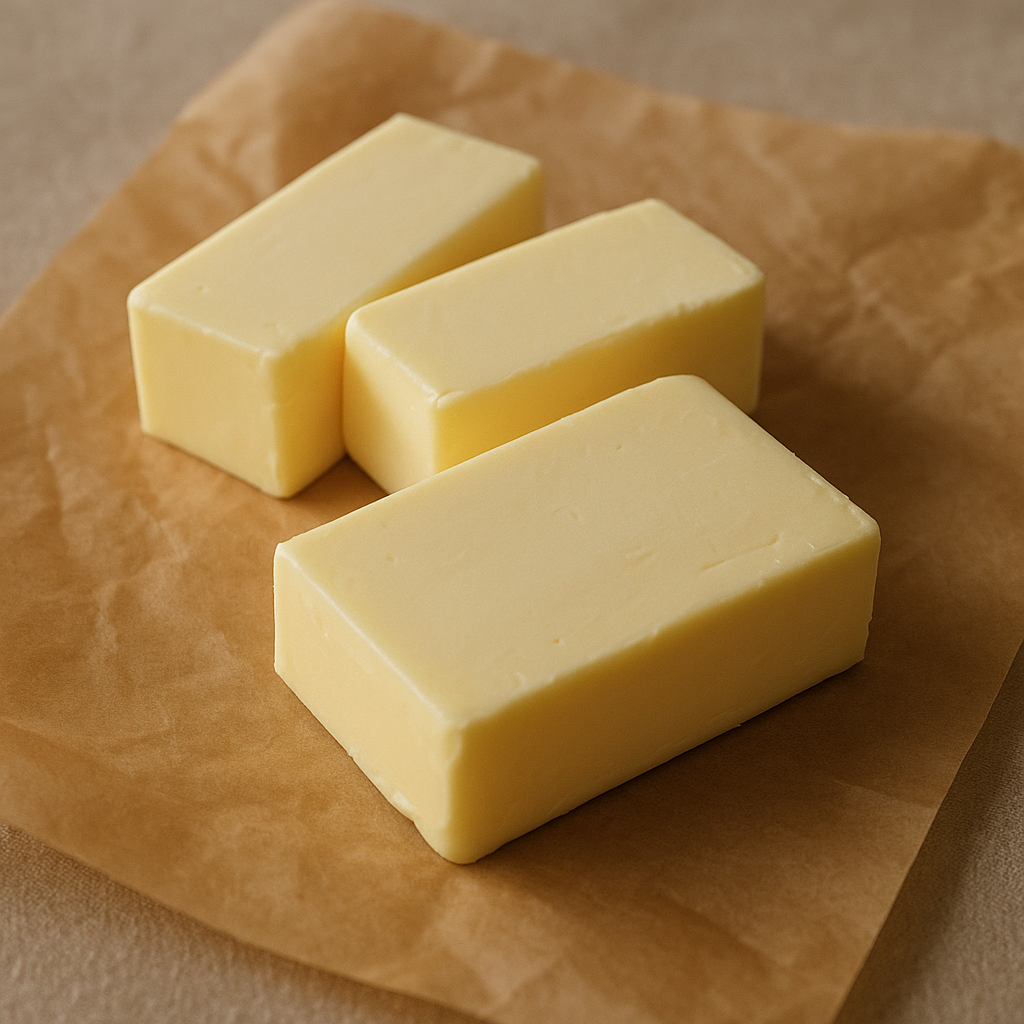
What it is
Margarine is a butter substitute made from vegetable oils. It is typically a solid or semi-solid fat at room temperature. It is often used in baking and cooking as a spread or an ingredient. Margarine can be made from a variety of vegetable oils, including soybean, canola, and palm oil. The specific type of oil used can affect the flavor and texture of the margarine.
How people cook with it
This spread is versatile in the kitchen. It can be used in both sweet and savory applications.
- Spreading on toast
- Baking cookies
- Sautéing vegetables
- Making sauces
Margarine can be used in many ways. For spreading, it is best at room temperature to achieve a smooth consistency. When baking, it can often be substituted for butter in recipes, though the results may vary slightly in texture and flavor. For cooking, it can be melted in a pan to sauté or fry ingredients. It can also be incorporated into sauces or frostings to add richness and a smooth mouthfeel. Its ability to melt and emulsify makes it useful in a wide range of culinary preparations.
How it differs from similar foods
Unlike butter, which is made from dairy cream, margarine is derived from plant-based oils. This difference in origin means margarine typically has a lower saturated fat content than butter. The specific blend of oils and other ingredients can also lead to variations in spreadability and how it browns when cooked.
Who it is for
Home cooks and professional bakers often choose margarine for its consistent performance and adaptability in various recipes.
How to keep the rest
After opening, store any remaining margarine in its original container in the refrigerator. Keep it tightly sealed to prevent it from absorbing odors from other foods. Proper storage will help maintain its freshness and texture for future use.