
Grocery
Margarine Spread
What it is
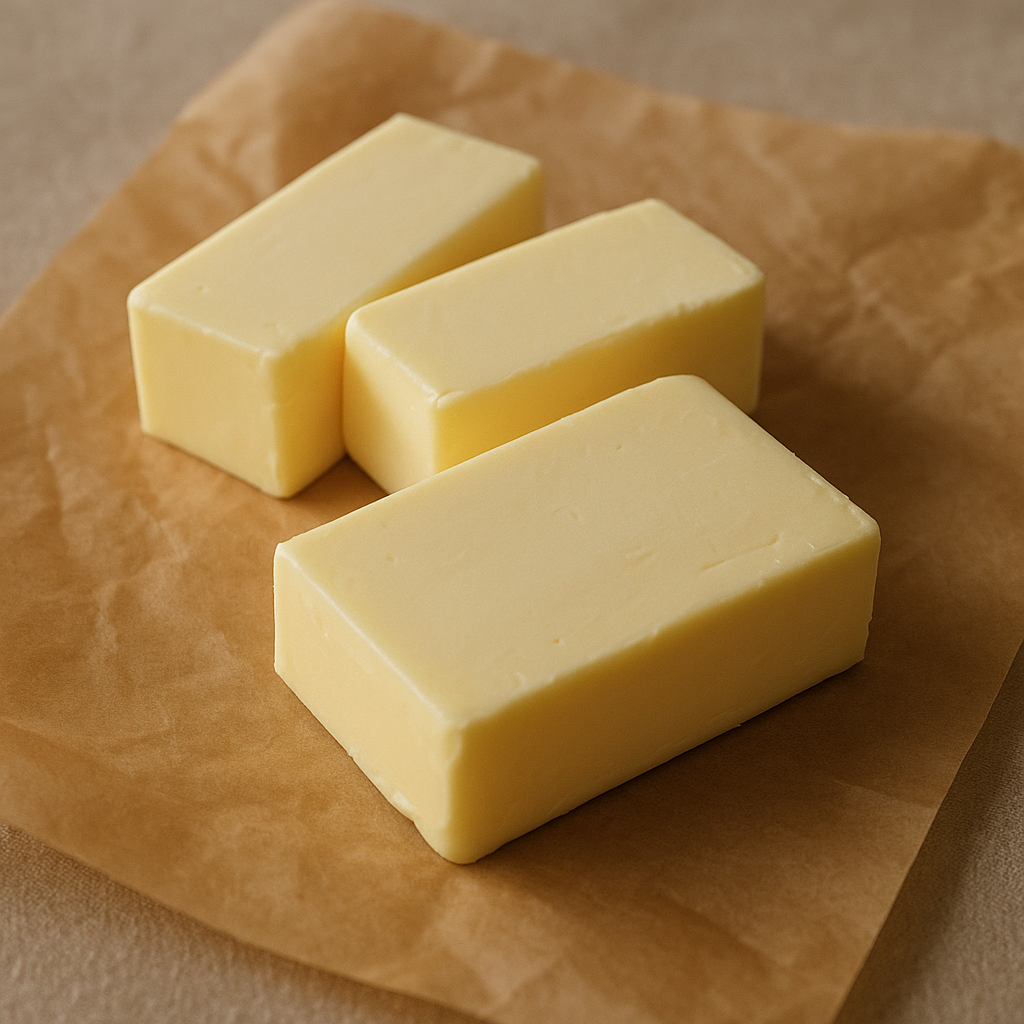
Margarine is a butter substitute made from vegetable oils. It is typically a solid or semi-solid fat at room temperature. Margarine is often blended with water or milk to achieve a spreadable consistency. It can be found in various forms, including sticks and tubs, with different fat percentages and flavor profiles. The oils used can vary, influencing its texture and how it performs in cooking and baking.
How people cook with it
This versatile spread is a staple in many kitchens for both cooking and baking applications.
- Spreading on toast
- Baking cookies
- Sautéing vegetables
- Making frosting
Margarine can be used in many ways that butter is. For spreading, it is often softened slightly to make it easier to apply to bread or toast. In baking, it can be creamed with sugar for cakes and cookies, or melted for recipes that call for liquid fat. When sautéing, it provides a base for cooking vegetables, meats, and other ingredients. Its water content can affect how baked goods brown and their final texture, sometimes resulting in a softer crumb compared to using only butter.
How it differs from similar foods
Unlike butter, which is made from dairy cream, margarine is derived from plant-based oils. The specific types of oils used and the manufacturing process can also lead to variations in flavor and texture compared to butter, making it a distinct ingredient in culinary creations.
Who it is for
Home cooks and bakers often choose margarine for its accessibility and performance in a wide range of recipes.
How to keep the rest
To keep the remaining margarine fresh, store it in its original container, tightly sealed, in the refrigerator. This helps maintain its texture and prevents it from absorbing odors from other foods. For stick margarine, ensure the wrapper is fully closed. Tub margarine should have its lid firmly in place.