
Grocery
Fresh Mango Fruit
What it is
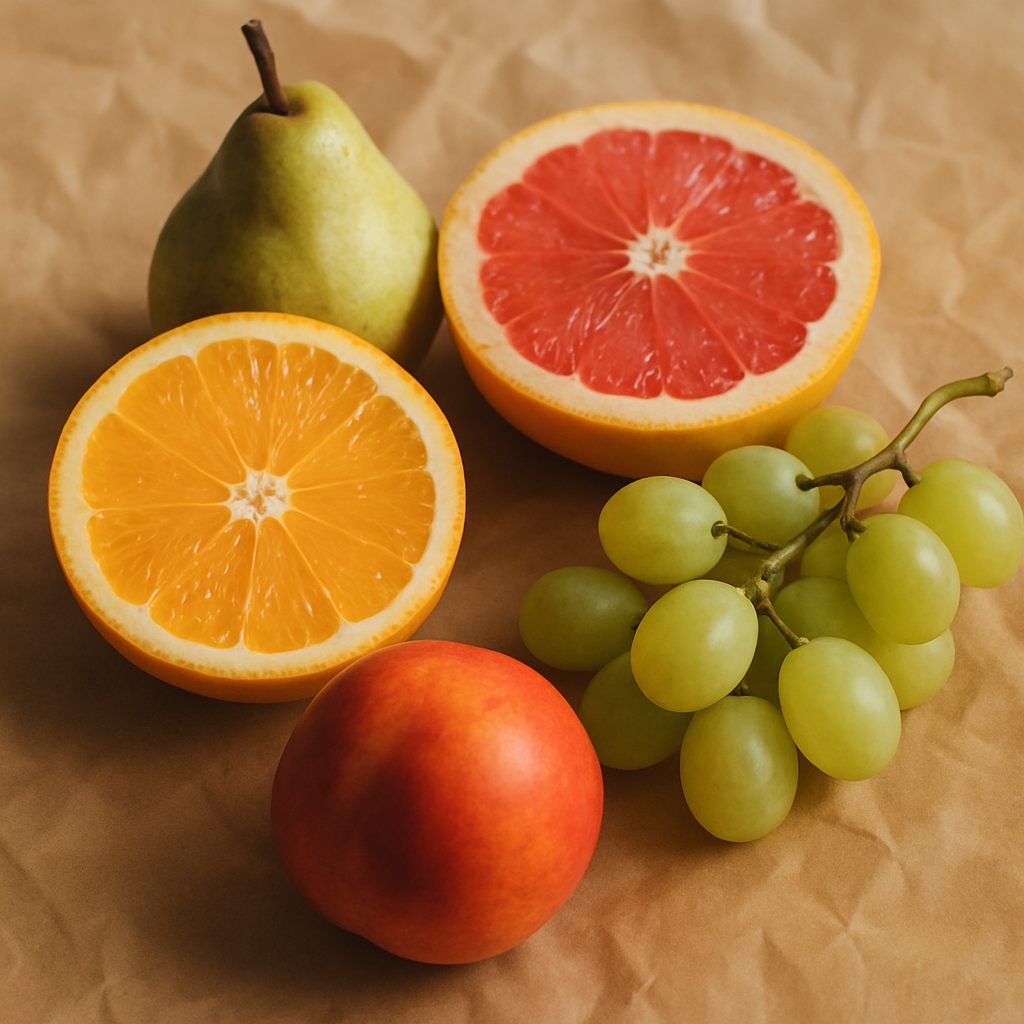
This is a whole, fresh mango, a tropical stone fruit known for its sweet, vibrant flavor and smooth texture. It typically has a skin that ranges in color from green to yellow to red, depending on the variety and ripeness. The flesh inside is a rich golden-orange, juicy, and aromatic. Mangoes are a popular fruit enjoyed worldwide for their delicious taste and versatility in both sweet and savory dishes.
How people cook with it
Mangoes can be enjoyed on their own or incorporated into a wide variety of culinary creations.
- Sliced for snacking
- Blended into smoothies
- Added to fruit salads
- Used in salsas
To prepare a mango, first wash the exterior. You can peel the skin with a knife or vegetable peeler, or cut the flesh away from the large, flat pit. The flesh can then be diced, sliced, or pureed. It's excellent eaten fresh as a snack or dessert. Mangoes also lend their sweetness and tropical notes to beverages, baked goods, and even curries or marinades, offering a delightful contrast to spicier flavors.
How it differs from similar foods
Different varieties of mangoes offer subtle variations in sweetness, acidity, and fibrousness. Some are softer and more buttery, while others are firmer and tangier. This particular mango offers a balance of sweetness and juiciness that makes it suitable for a wide range of applications.
Who it is for
Home cooks and fruit enthusiasts appreciate mangoes for their tropical taste and flexibility in recipes.
How to keep the rest
To store a ripe mango, keep it at room temperature for a day or two until it yields to gentle pressure. Once ripe, it can be refrigerated for up to five days to slow down the ripening process. Unripe mangoes should not be refrigerated.