
Grocery
Fresh Mango Fruit
What it is
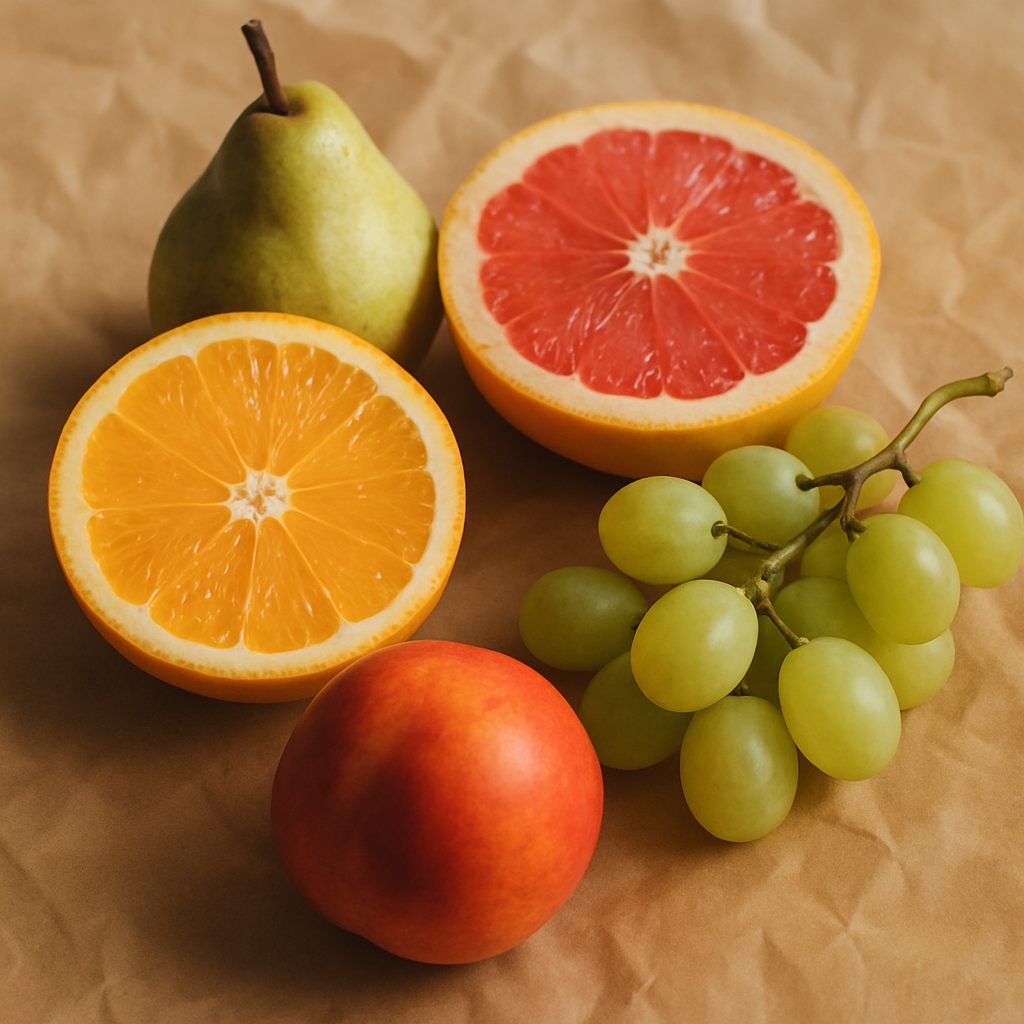
This is a whole, ripe mango. It is a tropical stone fruit known for its sweet, juicy flesh and vibrant aroma. Mangoes have a smooth, edible skin that can range in color from green to yellow to red, depending on the variety and ripeness. Inside, the flesh surrounds a large, flat seed. The texture of the flesh is typically soft and fibrous, with a rich, tropical flavor profile that is both sweet and slightly tangy.
How people cook with it
Mangoes are incredibly versatile in the kitchen. They can be enjoyed fresh on their own or incorporated into a wide range of sweet and savory dishes.
- Sliced for snacking
- Blended into smoothies
- Diced into salads
- Pureed for sauces
To prepare a mango, start by washing the exterior. You can peel the skin using a vegetable peeler or a knife, or slice the flesh away from the large, flat seed. One common method is to slice down each side of the seed, creating two large 'cheeks'. Then, score the flesh of each cheek in a grid pattern without cutting through the skin, and push the skin side up to pop out the cubes for easy cutting. The remaining flesh around the seed can be carefully cut away.
How it differs from similar foods
Different mango varieties offer subtle variations in sweetness, tartness, and fibrousness. Some are known for their smoother texture, while others have a more pronounced stringiness. The intensity of their tropical flavor can also vary, making some more suited for certain preparations than others.
Who it is for
Home cooks and fruit enthusiasts enjoy preparing and eating mangoes.
How to keep the rest
Store unripe mangoes at room temperature until they yield to gentle pressure. Once ripe, they can be refrigerated to slow down the ripening process for a few days. For longer storage, peeled and cut mango can be frozen.