
House of Asia
House of Asia Udon Noodles
What it is
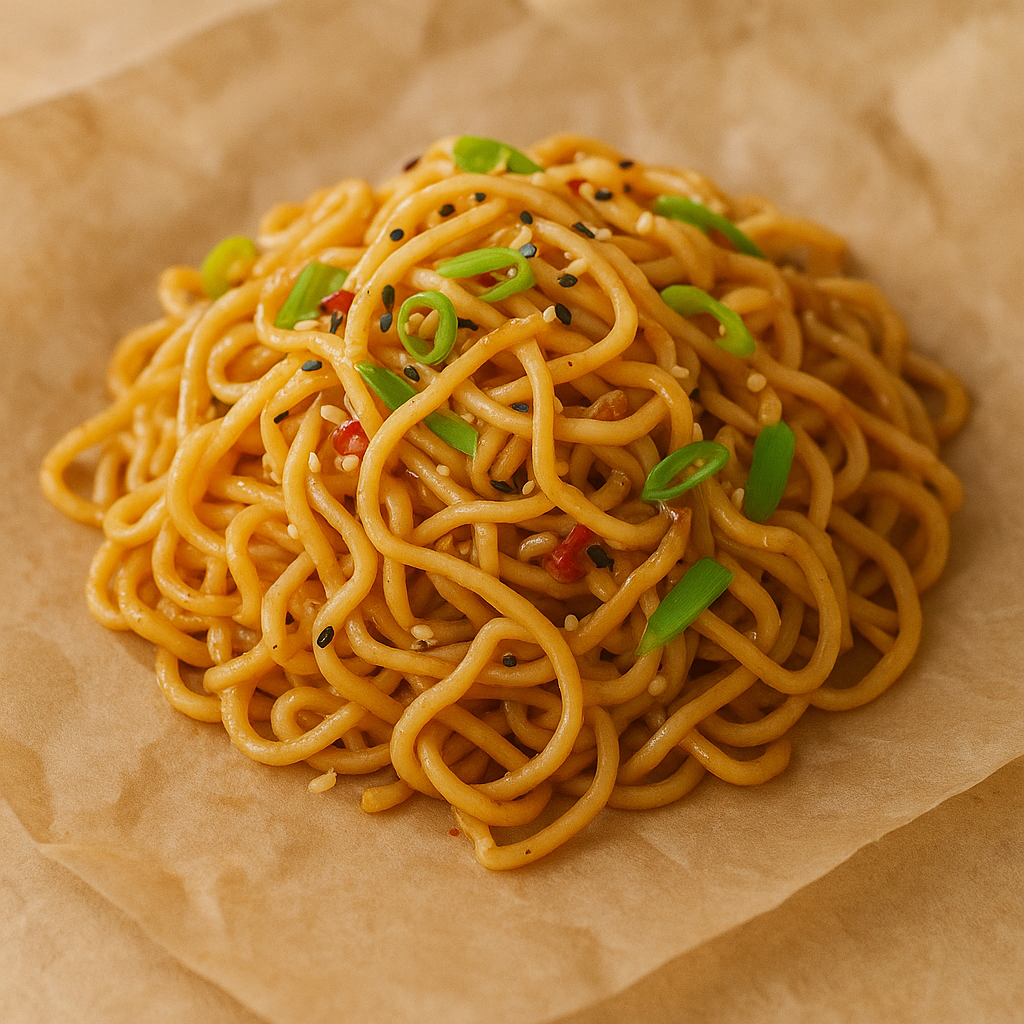
These are thick, chewy wheat flour noodles, a staple in Japanese cuisine. They are typically made from wheat flour, water, and salt. The noodles are known for their substantial texture and ability to absorb flavors from broths and sauces. They come in a dried or fresh form, each offering a slightly different cooking experience and texture.
How people cook with it
Udon noodles are incredibly versatile and can be enjoyed in a wide variety of dishes, from simple noodle soups to stir-fries.
- Hearty noodle soups
- Savory stir-fries
- Cold noodle salads
- Side dish accompaniment
To prepare dried udon noodles, they are typically boiled in plenty of water for about 8 to 12 minutes, depending on their thickness, until they reach a tender yet firm texture. Fresh udon noodles require a shorter cooking time, usually only 2 to 4 minutes. Once cooked, they can be drained and added to hot broths, stir-fried with vegetables and proteins, or tossed with sauces. They are also delicious served chilled with a dipping sauce.
How it differs from similar foods
Compared to ramen noodles, udon noodles are significantly thicker and have a softer, chewier texture. Soba noodles, made from buckwheat, have a firmer bite and a more distinct earthy flavor. Udon's mild taste and substantial chew make it a great base for many different flavor profiles.
Who it is for
Home cooks looking to create authentic Japanese dishes or add a satisfying noodle element to their meals.
How to keep the rest
Store dried udon noodles in a cool, dry place, away from direct sunlight. Once opened, ensure the package is sealed tightly to maintain freshness. If you have fresh udon noodles, they should be refrigerated and used by their expiration date.