
Grocery
Duck Breast
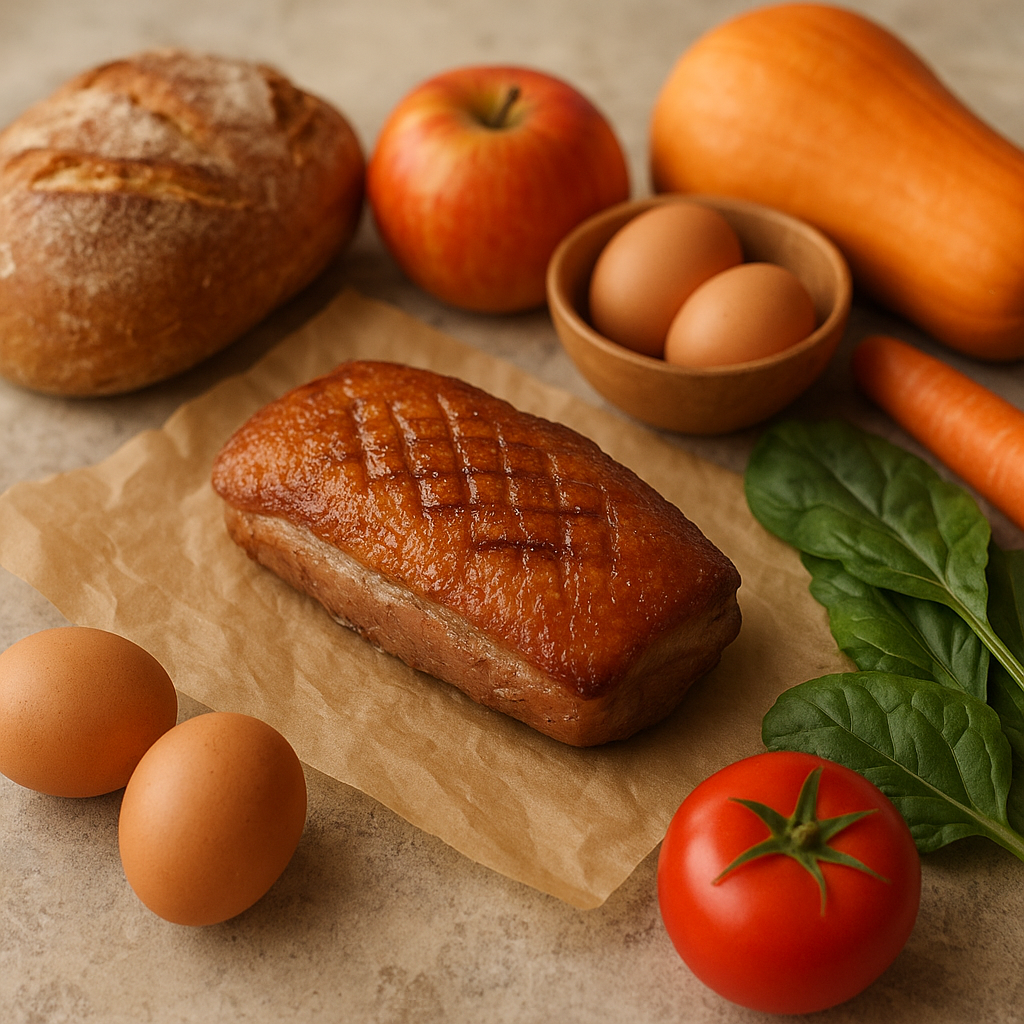
What it is
This is a cut of duck meat, specifically the breast, often sourced from Moulard ducks. It is known for its rich flavor and distinct texture. The skin is typically left on, providing a layer of fat that renders during cooking. This cut is prized for its versatility in the kitchen, capable of being prepared in various ways to suit different culinary preferences. It is a premium ingredient often found in fine dining establishments but also accessible for home cooks.
How people cook with it
Duck breast is a versatile ingredient that can elevate many dishes. It pairs well with both sweet and savory accompaniments.
- Seared for a crispy skin
- Roasted for tenderness
- Thinly sliced for salads
- Marinated for added flavor
To prepare duck breast, start by scoring the skin in a crosshatch pattern, being careful not to cut into the meat. This helps the fat render evenly. Season generously with salt and pepper. Place the breast skin-side down in a cold, dry skillet. Cook over medium-low heat, allowing the fat to slowly render out, for about 8-10 minutes, until the skin is golden brown and crisp. Pour off the rendered fat periodically. Flip the breast and sear the meat side for 2-4 minutes, depending on desired doneness. Let it rest before slicing.
How it differs from similar foods
Compared to chicken breast, duck breast has a darker color, a richer, more robust flavor, and a higher fat content, especially in the skin. This fat contributes to its succulence and distinct taste when cooked properly, offering a more intense culinary experience.
Who it is for
Home cooks and chefs looking to prepare a flavorful and impressive meal.
How to keep the rest
Store uncooked duck breast in its original packaging in the refrigerator. It is best used within a few days of purchase. If not using immediately, it can be frozen for longer storage. Ensure it is tightly wrapped to prevent freezer burn.