
Grocery
Low Fat Milk
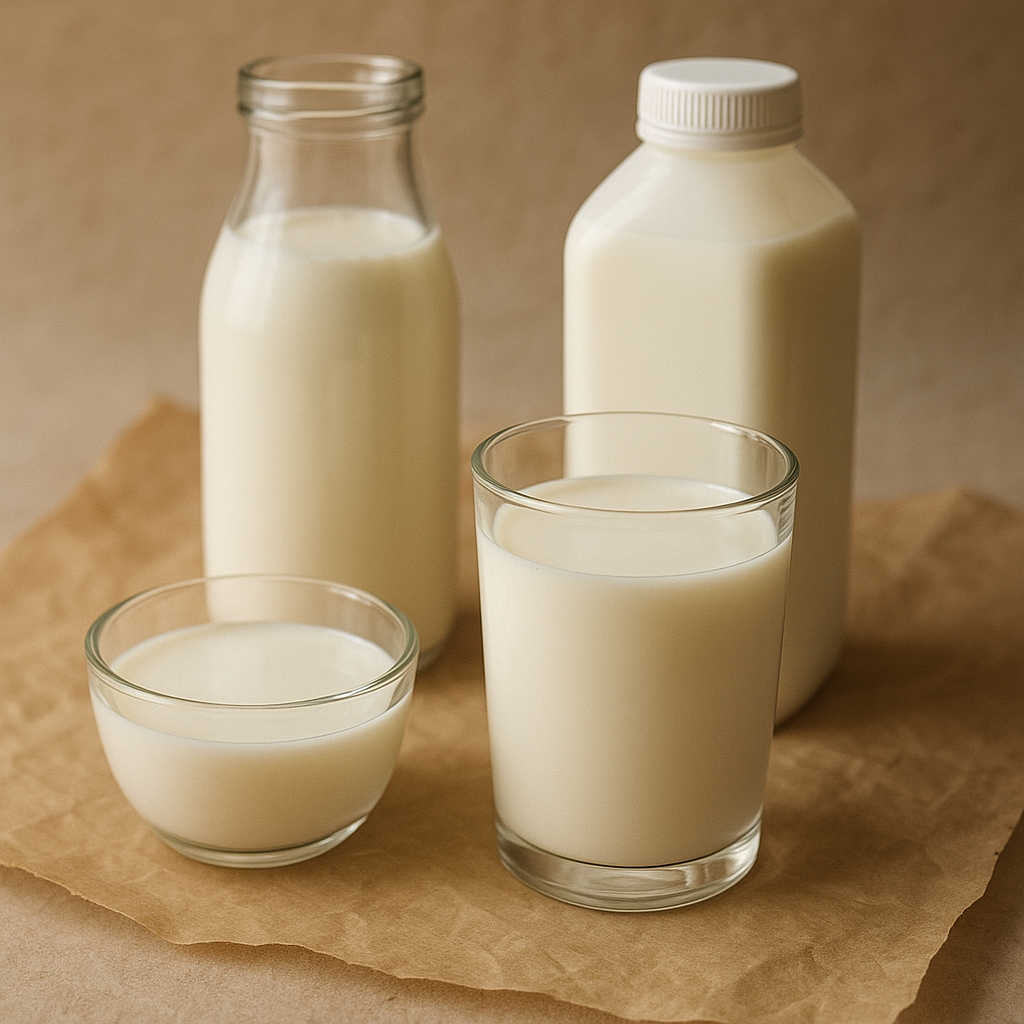
What it is
This is a dairy beverage that has had most of its fat removed. It is a common staple in many households and is often used as a primary source of calcium and other nutrients. The milk undergoes a process to reduce its fat content, resulting in a lighter liquid compared to whole milk. It is pasteurized for safety and then packaged for sale.
How people cook with it
Low fat milk is a versatile ingredient found in many kitchens. It can be enjoyed on its own or incorporated into a wide range of dishes.
- Drinking
- Cereal
- Baking
- Smoothies
People often drink low fat milk as a beverage, either chilled or slightly warmed. It is commonly poured over breakfast cereals, providing a creamy texture and a way to enjoy grains. In baking, it can be used in recipes for cakes, muffins, and pancakes, contributing moisture and structure. It also blends well into smoothies, adding a liquid base and a smooth consistency. For cooking, it can be a component in sauces, soups, and mashed potatoes, enriching their flavor and texture without adding excessive fat.
How it differs from similar foods
Compared to whole milk, low fat milk contains significantly less fat. This results in a thinner consistency and a less rich flavor profile. Skim milk, another option, has virtually no fat, making low fat milk a middle ground between whole and skim.
Who it is for
This is a common choice for individuals and families seeking a dairy option with reduced fat content.
How to keep the rest
After opening, store any remaining low fat milk in the refrigerator. Keep it in its original container or a tightly sealed, opaque jug to prevent light exposure and maintain freshness. Consume the milk within the recommended timeframe after opening, typically a few days, to ensure optimal quality and taste.