
Grocery
Long Grain White Rice
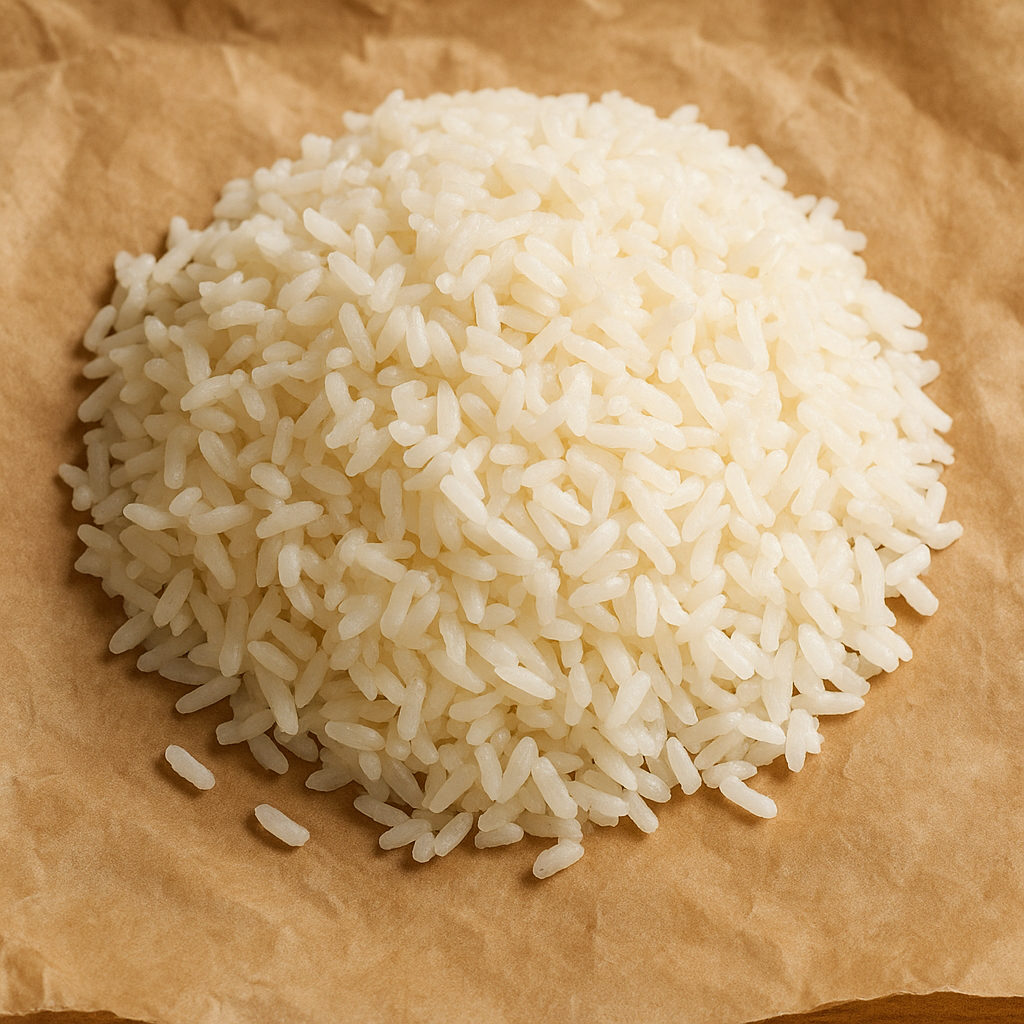
What it is
This is a staple grain, processed to remove the bran and germ, resulting in a light, fluffy texture when cooked. It is a versatile carbohydrate source that pairs well with a wide variety of dishes. The grains remain separate and distinct after cooking, making it ideal for absorbing sauces and flavors. Its neutral taste allows it to be a foundation for many culinary creations.
How people cook with it
Long grain white rice is a fundamental ingredient in kitchens worldwide. It serves as a base for countless meals, from simple side dishes to elaborate main courses.
- Side dish for curries
- Base for stir-fries
- Ingredient in pilafs
- Component of rice bowls
To prepare, rinse the rice under cold water until the water runs clear. Combine the rinsed rice with the appropriate amount of water or broth in a saucepan. Bring to a boil, then reduce heat to low, cover, and simmer until all the liquid is absorbed and the rice is tender. Fluff with a fork before serving. The cooking time can vary slightly depending on the specific product and desired tenderness.
How it differs from similar foods
Compared to short or medium grain rice, long grain rice has a higher amylose content, which prevents the grains from sticking together. This results in a drier, fluffier cooked product. Other types of rice, like Arborio or sushi rice, have higher amylopectin, leading to a creamier or stickier texture.
Who it is for
Home cooks and professional chefs alike rely on long grain white rice for its adaptability and consistent results.
How to keep the rest
Store uncooked rice in a cool, dry place in an airtight container to prevent moisture absorption and pest infestation. Once cooked, refrigerate any leftovers promptly and consume within a few days. Ensure the container is well-sealed to maintain freshness.