
Grocery
Long Grain White Rice
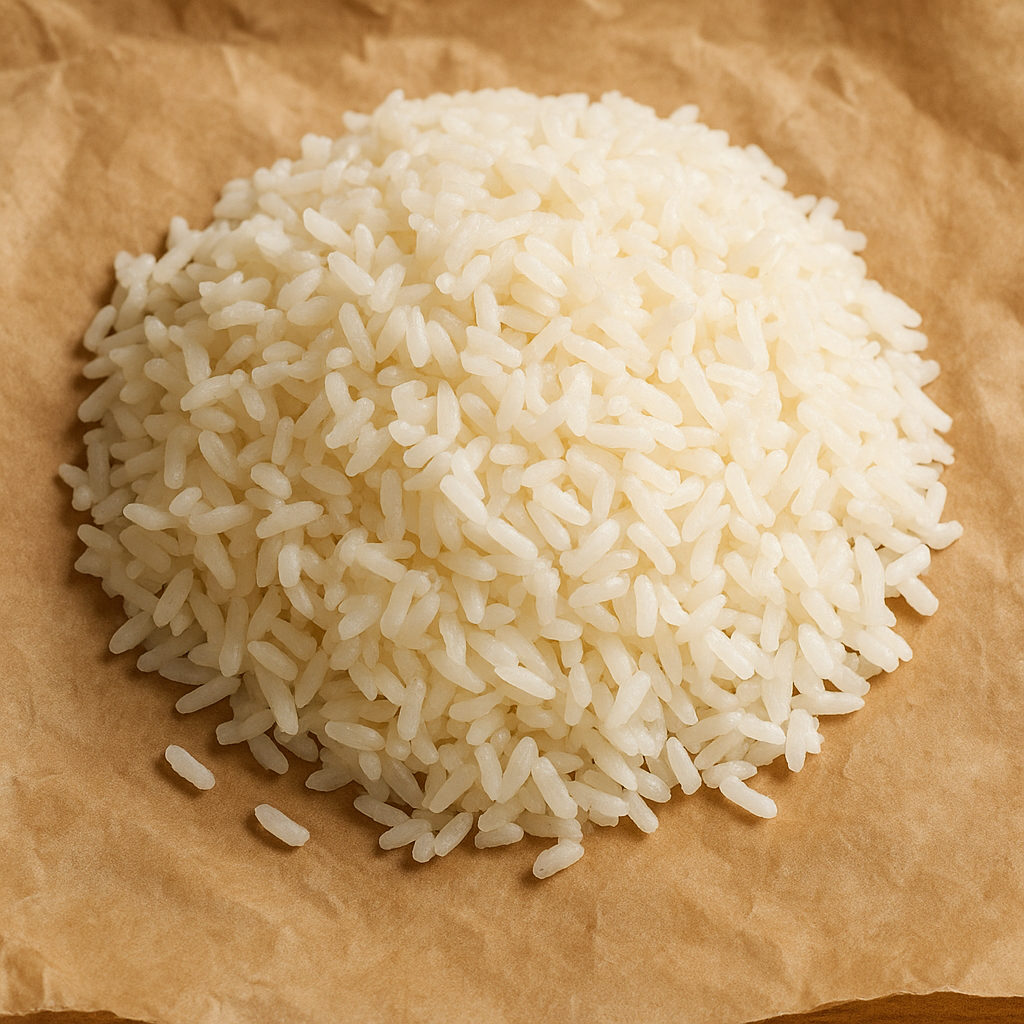
What it is
This is a type of rice characterized by its long, slender grains. When cooked, these grains tend to remain separate and fluffy, rather than clumping together. It is a staple food enjoyed worldwide, providing a versatile base for countless meals. The grains are typically milled to remove the bran and germ, resulting in a longer shelf life and a lighter texture.
How people cook with it
Long grain rice is a fundamental ingredient in kitchens everywhere, serving as a foundation for both simple and elaborate dishes.
- Side dish for curries
- Base for stir-fries
- Ingredient in pilafs
- Stuffing component
To prepare long grain rice, a common method involves rinsing the grains under cold water to remove excess starch. Then, combine the rice with a measured amount of water or broth in a saucepan. Bring the mixture to a boil, then reduce the heat to low, cover tightly, and simmer until all the liquid is absorbed. Let it steam, covered, for a few minutes off the heat before fluffing with a fork. This process ensures the grains cook evenly and remain distinct.
How it differs from similar foods
Compared to short or medium grain rice, long grain rice has a lower amylopectin content. This structural difference is why its grains cook up drier and more separated, whereas shorter grains tend to be stickier and are often preferred for dishes like sushi or risotto.
Who it is for
Home cooks and professional chefs alike utilize long grain rice for its adaptability and pleasing texture.
How to keep the rest
Store uncooked long grain rice in a cool, dry place in an airtight container. This helps to prevent moisture absorption and protect it from pests. Properly stored, it can maintain its quality for an extended period, making it a convenient pantry staple.