
Grocery · 2 lbs
Lomin Yellow Onions
What it is
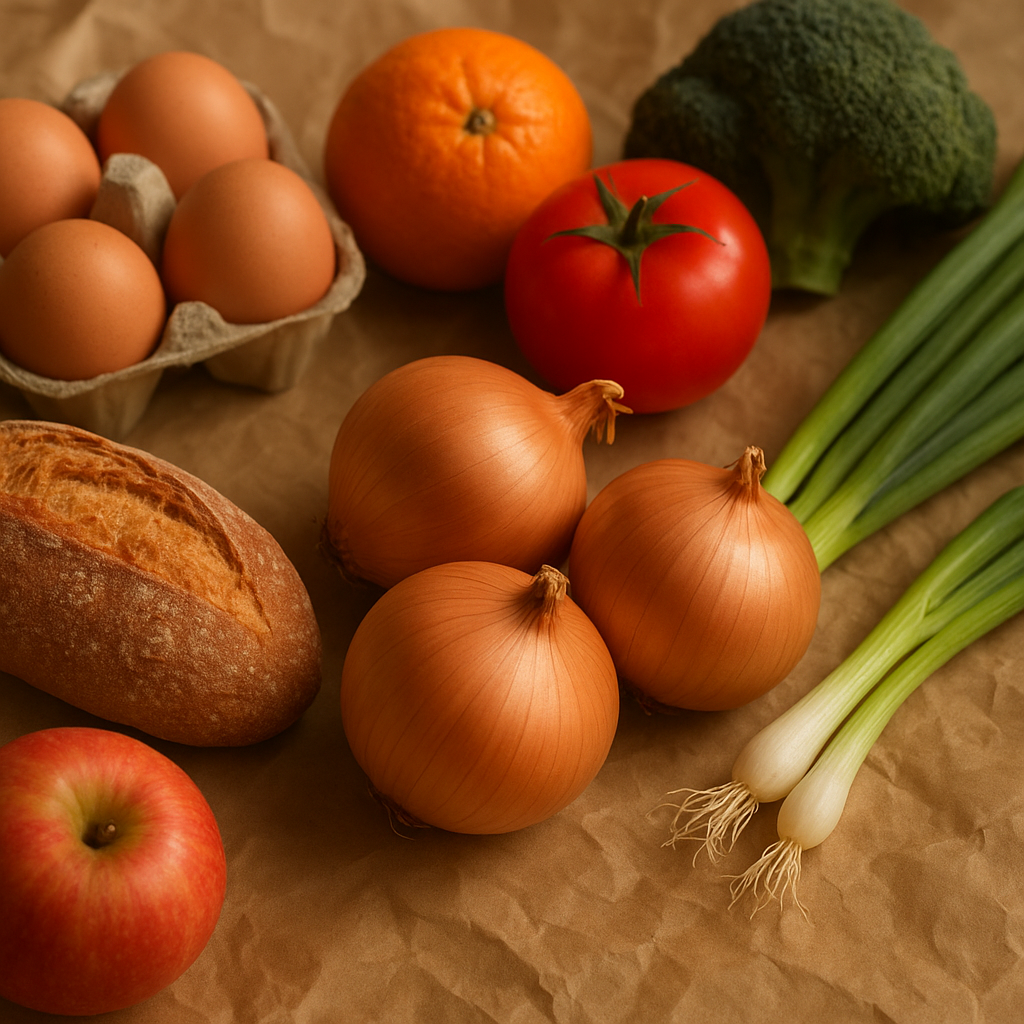
Lomin Yellow Onions are a versatile staple in kitchens worldwide. These onions have a papery, golden-brown skin and firm, layered flesh. They are known for their balanced flavor, offering a pleasant sweetness with a mild pungency that mellows significantly when cooked. Their size and texture make them suitable for a wide range of culinary applications, from foundational aromatics to starring roles in dishes.
How people cook with it
Yellow onions are a fundamental ingredient for building flavor in countless savory preparations. They can be used in almost any cooking method.
- Base for soups and stews
- Caramelized for toppings
- Diced for sautés
- Sliced for rings
To prepare, trim off the stem and root ends, then peel away the dry outer skin. For dicing, cut the onion in half from root to stem, lay the flat side down, and make horizontal cuts followed by vertical cuts. For slicing, cut across the grain. Yellow onions are excellent when sautéed until tender and translucent, caramelized to a deep brown sweetness, or roasted until soft and flavorful. They form the aromatic foundation for many sauces, braises, and stir-fries, and can also be enjoyed raw in salads or as a garnish when thinly sliced.
How it differs from similar foods
Compared to red onions, yellow onions are less sweet and have a more robust, pungent flavor when raw. They also tend to hold their shape better when cooked for extended periods. White onions are typically sharper and more watery, making yellow onions a preferred choice for dishes requiring a deeper, more mellow onion taste.
Who it is for
Home cooks and professional chefs rely on yellow onions for their consistent performance and adaptable flavor profile.
How to keep the rest
Store whole, unpeeled yellow onions in a cool, dry, and dark place with good air circulation. Avoid storing them in plastic bags, as this can trap moisture. They should not be stored near potatoes, as the gases they both release can cause spoilage. Properly stored, they can last for several weeks.