
Skinner
Skinner Linguine Pasta
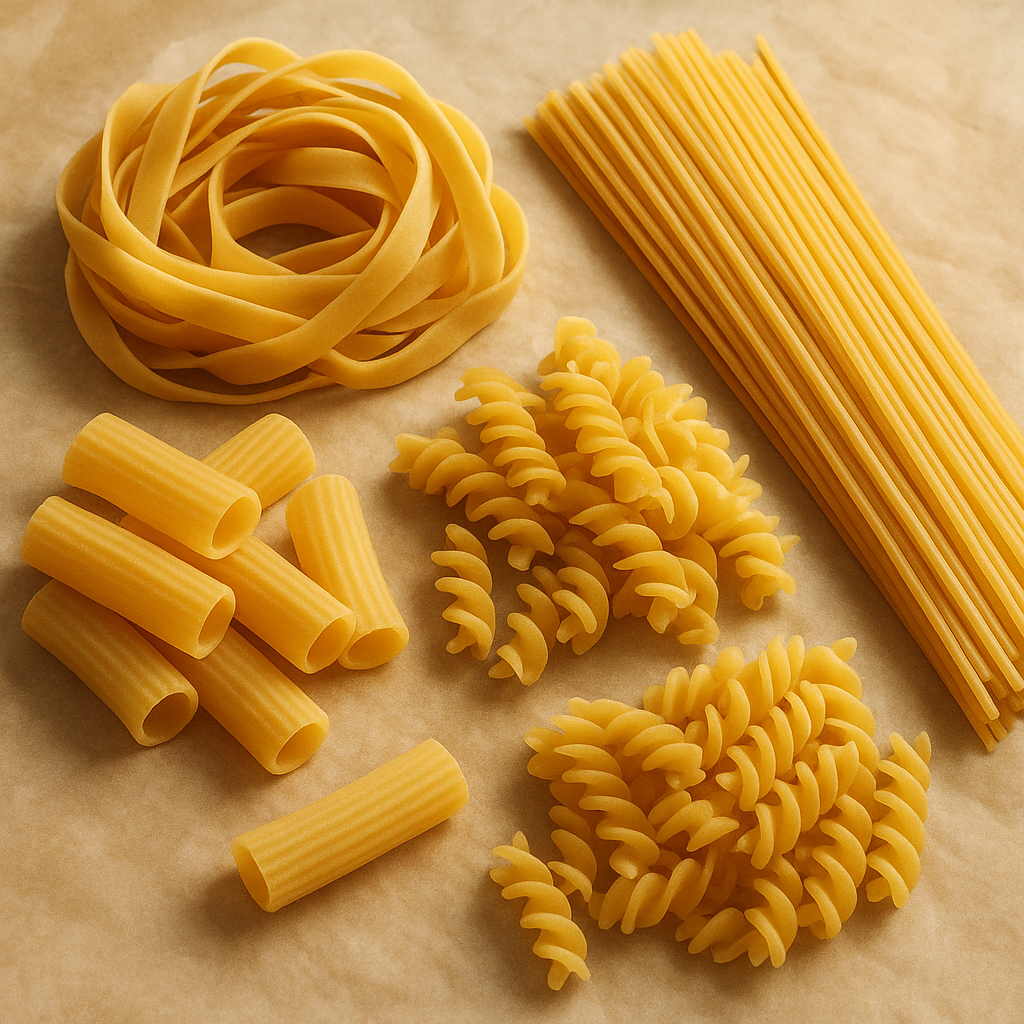
What it is
This is a type of long, flat pasta, similar to fettuccine but typically narrower. It is made from durum wheat semolina and water, forming a firm strand that holds its shape well when cooked. The pasta is dried for preservation and easy storage. It is a staple in many cuisines, particularly Italian cooking, where it serves as a base for a wide variety of sauces and dishes.
How people cook with it
Linguine is a versatile pasta shape that pairs well with many different types of sauces and ingredients.
- With seafood sauces
- In creamy dishes
- With pesto
- As a base for pasta salads
To prepare linguine, bring a large pot of generously salted water to a rolling boil. Add the pasta and stir occasionally to prevent sticking. Cook according to package directions until al dente, which means it is tender but still has a slight bite. Drain the pasta, reserving some of the cooking water. Toss the drained linguine immediately with your chosen sauce, adding a little of the reserved pasta water if needed to help the sauce coat the strands evenly. Serve hot.
How it differs from similar foods
Compared to spaghetti, linguine is flatter and wider, offering a different mouthfeel. It is also wider than vermicelli but narrower than fettuccine. This shape allows it to hold lighter sauces and seafood preparations particularly well, as the flat surface provides more contact area than round strands.
Who it is for
Home cooks and professional chefs alike appreciate linguine for its classic shape and ability to complement various culinary creations.
How to keep the rest
Store unopened packages of linguine in a cool, dry place away from direct sunlight. Once opened, transfer any unused pasta to an airtight container to keep it fresh and protected from moisture and pests. Properly stored, it can maintain its quality for an extended period.