
Grocery
Linguine Pasta
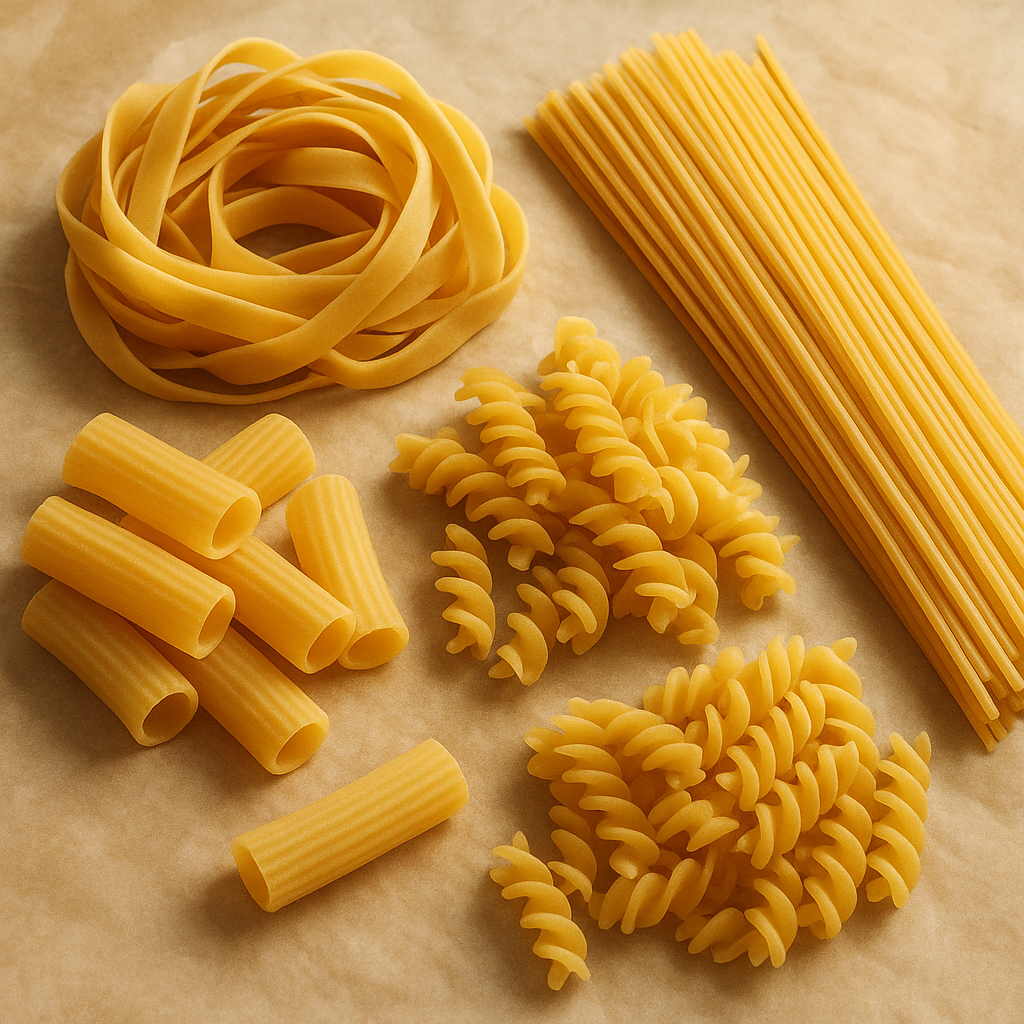
What it is
Linguine is a type of pasta that is similar to fettuccine but narrower. It is made from durum wheat semolina and water. The name 'linguine' means 'little tongues' in Italian, referring to its flat, elongated shape. This pasta is a staple in many cuisines, particularly Italian cooking, and is known for its versatility.
How people cook with it
Linguine is a popular choice for a variety of pasta dishes. Its shape makes it ideal for holding onto sauces.
- With seafood sauces
- In creamy pasta bakes
- Tossed with pesto
- As a base for hearty ragùs
To prepare linguine, bring a large pot of salted water to a rolling boil. Add the pasta and stir occasionally to prevent sticking. Cook according to package directions until al dente, which means it should be tender but still have a slight bite. Drain the pasta well, reserving some of the cooking water. Toss the drained linguine immediately with your chosen sauce, adding a little of the reserved pasta water if needed to help the sauce coat the strands evenly. Serve hot.
How it differs from similar foods
Compared to spaghetti, linguine is flatter and wider, offering a slightly different mouthfeel. It holds onto thicker or creamier sauces better than spaghetti, while still being delicate enough for lighter, oil-based preparations. Fettuccine is wider than linguine, making it suitable for very rich sauces.
Who it is for
Home cooks and professional chefs alike use linguine to create delicious and satisfying meals.
How to keep the rest
Store uncooked linguine in a cool, dry place in its original packaging. Once cooked and cooled, refrigerate any leftovers in an airtight container. It is best to consume refrigerated cooked pasta within a few days.