
Melissa’s
Fresh Limes for Zesty Flavor
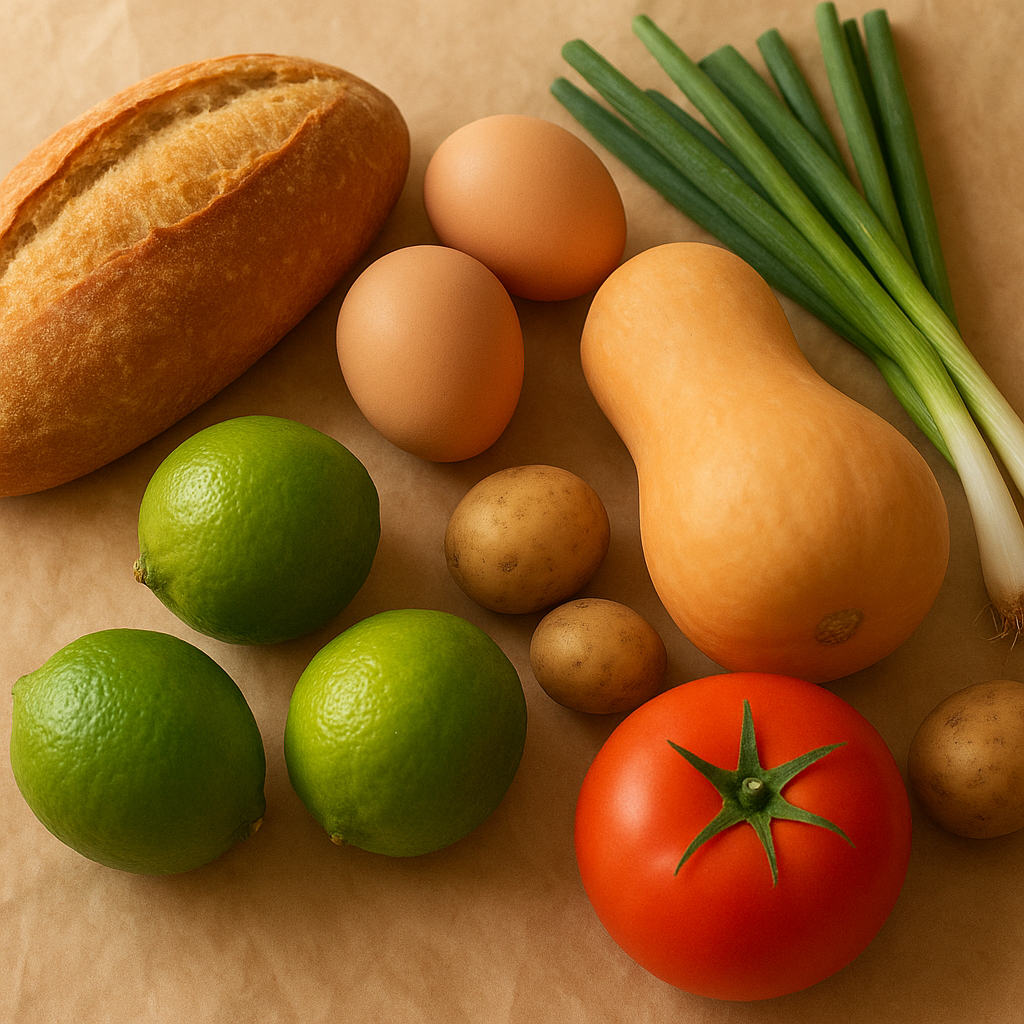
What it is
This is a fresh lime, a small, round citrus fruit known for its bright green rind and tart, acidic juice. Limes are a staple in many cuisines around the world, prized for their ability to add a refreshing tang to both sweet and savory dishes. Their vibrant flavor profile makes them a versatile ingredient, capable of cutting through richness or brightening up lighter fare. Each lime offers a distinct aromatic zest and a potent juice that is essential for many culinary applications.
How people cook with it
Limes are frequently used to add a burst of citrus flavor and acidity to a wide range of recipes.
- Zesting for aromatic oils
- Juicing for marinades
- Garnishing drinks
- Flavoring desserts
To extract the most juice, firmly roll the lime on a countertop before cutting it in half. The zest can be finely grated using a microplane or zester, capturing the fragrant oils from the outer peel without including the bitter white pith. Lime juice is a key component in many dressings, sauces, and marinades, tenderizing meats and adding a sharp counterpoint to fatty ingredients. It is also indispensable for classic cocktails and as a finishing touch on everything from tacos to curries. The wedges or slices are often used as a visual and flavorful garnish.
How it differs from similar foods
Compared to lemons, limes generally possess a more intense, sharper acidity and a slightly more floral aroma. Their flavor is often described as more pungent and less sweet, making them ideal for applications where a distinct citrus bite is desired.
Who it is for
Home cooks and professional chefs alike rely on limes for their distinctive flavor.
How to keep the rest
To keep the rest of your limes fresh, store them in a cool, dry place, such as a fruit bowl on the counter, for a few days. For longer storage, place them in a plastic bag in the crisper drawer of your refrigerator. This will help maintain their moisture and extend their usability for several weeks.