
Grocery
Fresh Limes for Zesty Flavor
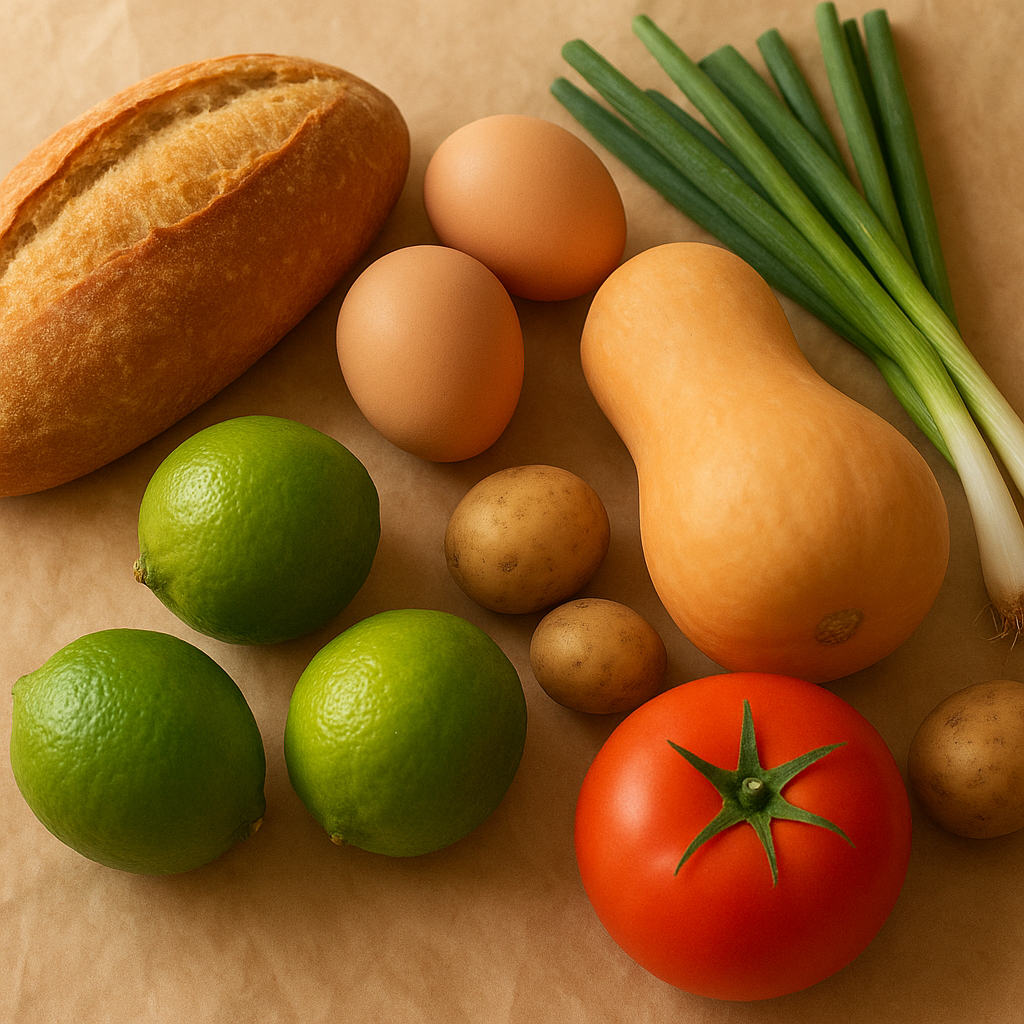
What it is
This is a fresh lime, a small, green citrus fruit known for its tart and acidic taste. It is a versatile ingredient, often used to add a bright, refreshing flavor to both sweet and savory dishes. The juice and zest of the lime are commonly utilized in cooking and beverages. Limes are typically oval or round and have a firm rind.
How people cook with it
Limes are a staple in kitchens worldwide, adding a distinct tang to a wide array of culinary creations.
- Flavoring marinades and dressings
- Adding zest to baked goods
- Garnishing cocktails and mocktails
- Brightening seafood and poultry dishes
To extract the juice, roll the lime firmly on a countertop before cutting it in half. A citrus juicer can help maximize the yield. The zest, the outer colored layer of the rind, can be grated or finely chopped and added to dishes for an aromatic boost. Avoid grating into the white pith, as it can be bitter. Lime wedges are also excellent for squeezing over finished plates, offering a final touch of acidity.
How it differs from similar foods
Compared to lemons, limes generally possess a more intense sourness and a slightly different aromatic profile. Their acidity is often perceived as sharper, making them a preferred choice for certain cuisines where a pronounced citrus bite is desired.
Who it is for
Home cooks and professional chefs alike reach for limes to enhance their dishes.
How to keep the rest
To keep fresh limes at their best, store them in a cool, dry place or in the crisper drawer of your refrigerator. They can last for several weeks when stored properly. Once cut, wrap the unused portion tightly in plastic wrap or place it in an airtight container in the refrigerator.