
Grocery
Light Old Fashioned Sponge Candy
What it is
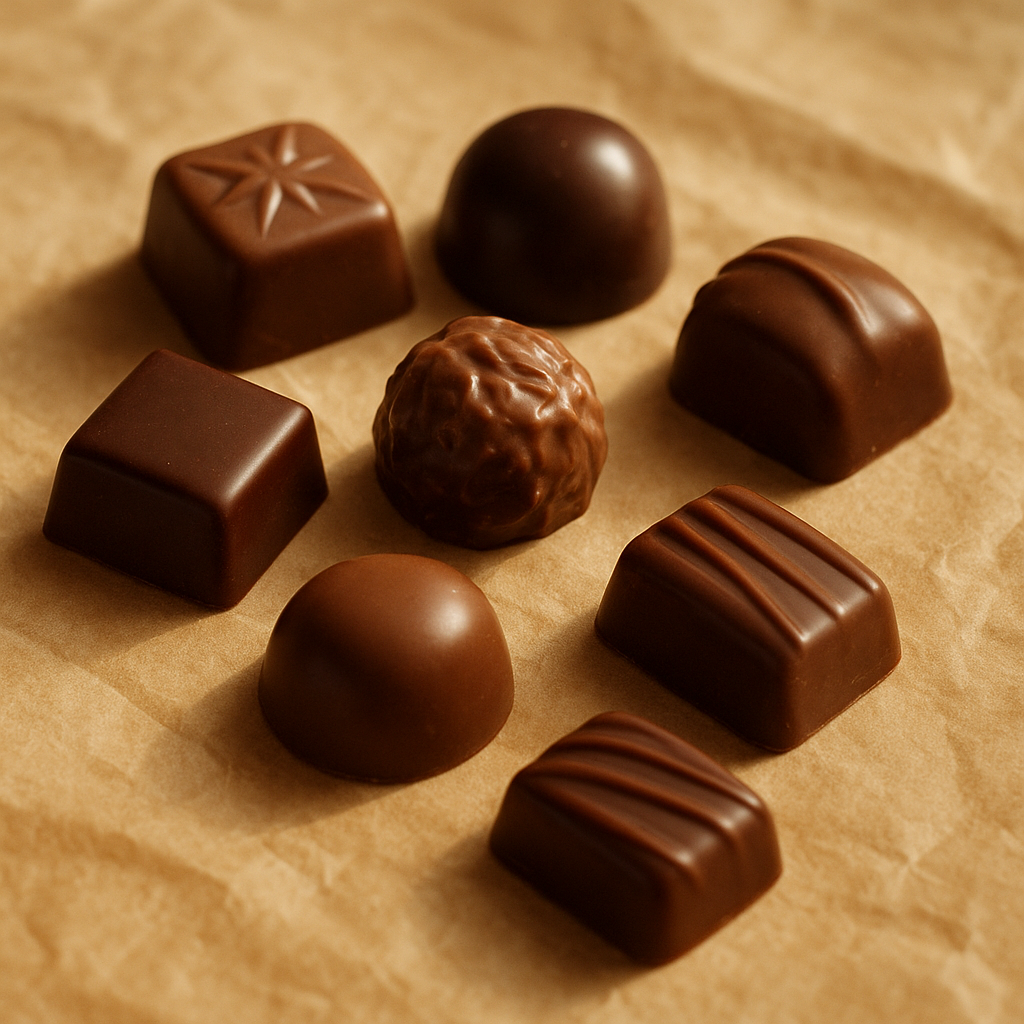
This is a classic confection known for its airy, porous texture. It typically features a sweet, caramelized sugar base that is aerated to create a light and brittle structure. Often coated in chocolate, this candy offers a delightful crunch followed by a melt-in-your-mouth sensation. The 'old fashioned' aspect refers to traditional methods of candy making that result in this unique texture.
How people cook with it
Sponge candy is primarily enjoyed as a standalone sweet treat. It can also be incorporated into desserts for added texture and flavor.
- Enjoyed as a sweet snack
- Crumbled over ice cream
- Used as a decorative topping
- Added to baked goods
To enjoy, simply unwrap the candy and eat it as is. The light, airy interior contrasts with a crisp exterior, often a chocolate coating. For a different experience, you can gently break it into smaller pieces. These pieces can be sprinkled over desserts like ice cream or yogurt to add a crunchy element. They can also be incorporated into the batter of certain baked goods, like cookies or brownies, to provide pockets of sweetness and texture. Be mindful of its delicate structure; it can crumble easily.
How it differs from similar foods
Unlike dense caramels or chewy taffies, sponge candy is characterized by its extreme lightness and brittle crunch. The aeration process creates a honeycomb-like interior that dissolves quickly on the tongue. This makes it a distinct textural experience compared to other hard candies.
Who it is for
This sweet confection is enjoyed by anyone who appreciates a light, crunchy, and sweet treat.
How to keep the rest
To maintain its crispness, store any remaining sponge candy in an airtight container at room temperature. Avoid humid environments, as moisture can cause the candy to become sticky and lose its signature texture. Keep it away from direct sunlight and heat sources.