
H-E-B
Fresh H-E-B Lemons
What it is
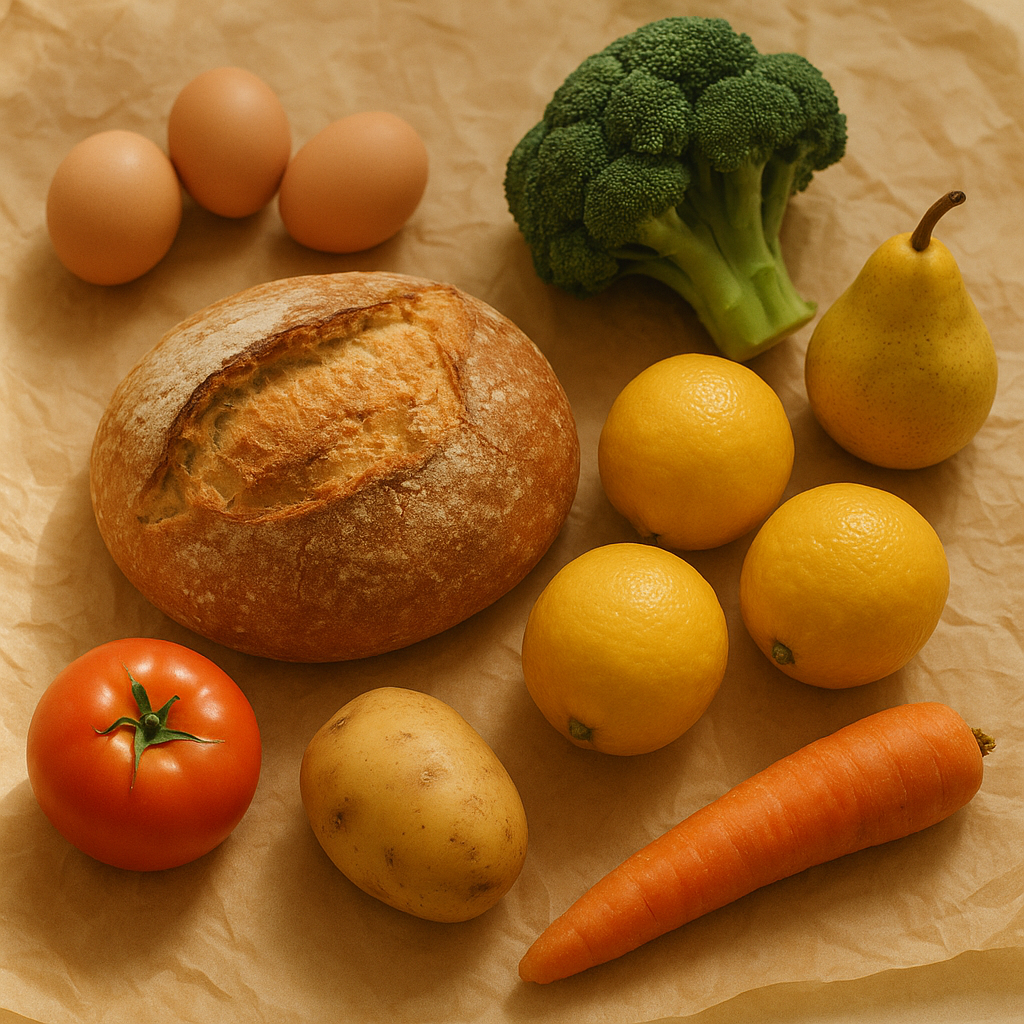
These are bright yellow citrus fruits, known for their distinct tartness and fragrant aroma. Each lemon is a good source of juice and zest, both of which are commonly used in cooking and baking. They are typically firm with a smooth, slightly textured rind that holds essential oils. Lemons are a versatile ingredient that can add a refreshing lift to a wide range of dishes, from savory meals to sweet desserts. Their vibrant color also makes them an appealing garnish.
How people cook with it
Lemons are a staple in many kitchens, valued for their ability to brighten flavors and add acidity.
- Juicing for beverages
- Zesting for baking
- Marinades and dressings
- Garnishes
To extract the most juice, roll the lemon firmly on a countertop before cutting it in half. The zest can be carefully removed using a microplane or fine grater, avoiding the bitter white pith. Lemon juice can be squeezed directly into dishes, used as a base for sauces, or incorporated into marinades to tenderize meats. The zest adds a concentrated citrus perfume to baked goods, desserts, and savory preparations. Both juice and zest can be used to balance rich flavors or add a fresh, clean note.
How it differs from similar foods
Compared to limes, lemons offer a less sharp, more floral acidity. Their juice is generally less intensely sour, making them suitable for a broader range of applications where a milder citrus note is desired. The aroma of lemon zest is also distinct, often described as brighter and more uplifting.
Who it is for
Home cooks and professional chefs alike rely on lemons for their unique flavor profile.
How to keep the rest
Store whole, unwashed lemons at room temperature for a few days or in the crisper drawer of your refrigerator for up to a month. Once cut, wrap them tightly in plastic wrap or place them in an airtight container in the refrigerator. Refrigerated lemon juice should be used within a few days.